- Yoko Ono’s performance art piece, Cut Piece, will be restaged in Los Angeles.
- The performance, first staged in 1964, remains a landmark in Fluxus artistic tradition.
- Performance artist MPA approaches the reenactment with both pride and caution.
Historical Context
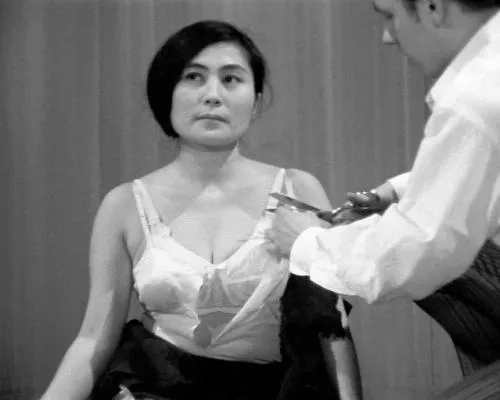
First performed by Yoko Ono at Carnegie Hall in 1964, Cut Piece stands as an enduring symbol of early Fluxus art. The piece involved Ono sitting silently on stage while audience members cut away pieces of her clothing with scissors, making it a quintessential performance that relies heavily on the audience's participation.
Modern Reinterpretation
The piece is being revisited in Los Angeles through Yoko Ono: Music of the Mind, an exhibition at The Broad museum. The museum plans to present Cut Piece live twice at the Redcat theater, inviting contemporary artist MPA to perform it on July 17 and 18. This reimagining follows a long tradition of restagings by artists like Marina Abramović.
Artist Reflections
Making the decision to take on this piece, MPA felt both proud and apprehensive. Reflecting on her own work that often deals with physical and emotional vulnerabilities, she noted a connection to Ono’s early pieces that were deeply rooted in anger and resistance. However, MPA also found inspiration in Ono's evolving relationship with Cut Piece over time, moving from a place of anger to one of love and peace.
Preparation for the Performance
To prepare for this demanding role, MPA has been meditating and walking long distances. She will perform the piece wearing specially chosen garments by designers Víctor Barragán and Aliona Kononova, reflecting Ono’s own practice of performing in her best suit. Despite knowing that the performance would still evoke a mix of emotions, MPA is looking forward to the experience as an opportunity to embody both anger and love.
Conclusion
The restaging of Cut Piece by MPA offers a new lens through which contemporary audiences can engage with this historic performance. It serves not only as a tribute to Ono’s pioneering work but also as a reminder of the enduring relevance of performance art in challenging viewers to participate actively and thoughtfully.
Source: The Guardian

Culture News
129 posts
-
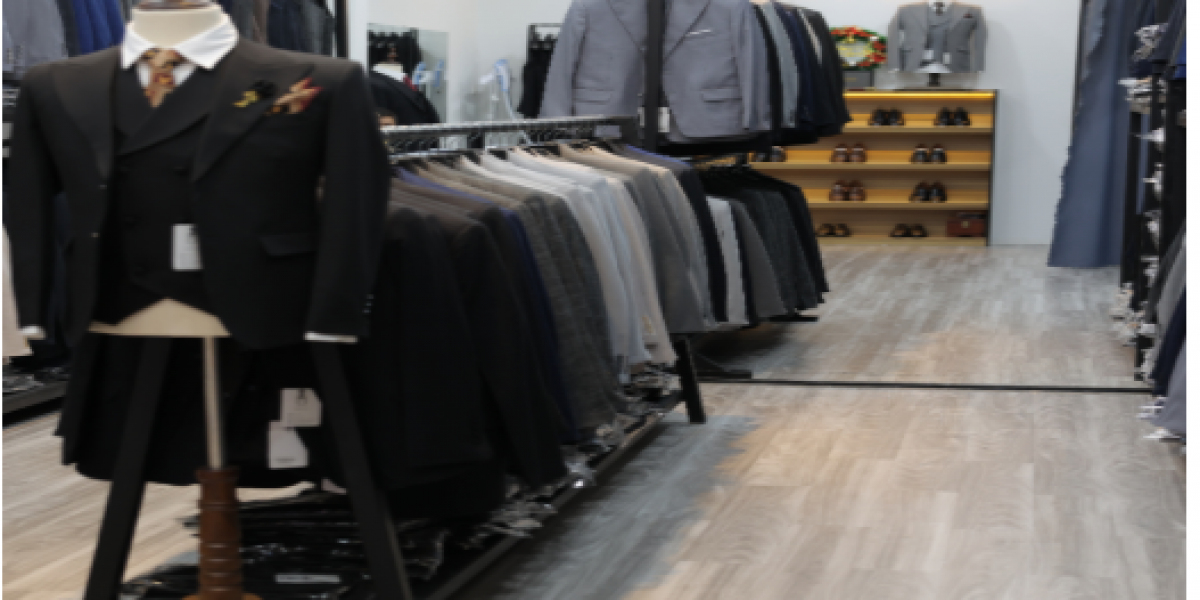 Mỗi vóc dáng cần một cách lựa chọn khác nhau
Các đơn vị chuyên về vest nam tphcm hiện nay thường cung cấp nhiều dòng sản phẩm khác nhau, từ vest công sở, vest dự tiệc đến vest dành cho lễ cưới, giúp khách hàng dễ dàng tìm được mẫu phù hợp với nhu cầu sử dụng. Đồng th
-
 Exploring Victorian Poverty Through an Immersive Workhouse Experience
The Ripon Workhouse Museum has reopened after a major revamp, offering visitors a more immersive experience to explore the harsh realities of Victorian workhouses and their relevance to contemporary issues.
-
 Black Women Opt for Healthcare in South Korea Amid US Disparities
Black American women are increasingly turning to South Korea for comprehensive healthcare due to perceived disparities in U.S. medical treatment.
-
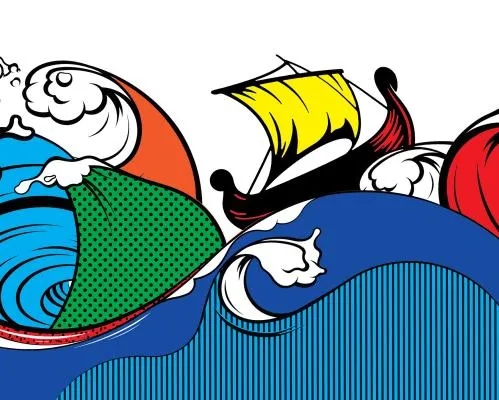 The Enduring Allure of Homer’s Odyssey: From Ancient Epic to Modern Pop Culture
The Odyssey, an ancient Greek epic, continues to influence contemporary media through various adaptations, from films like Christopher Nolan’s to literary works such as Dante's Inferno and Ulysses. Its themes resonate deeply with modern issues.
-
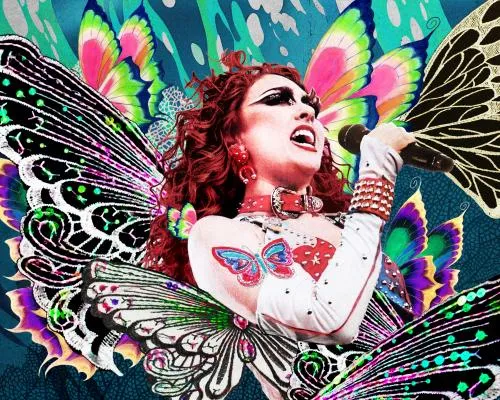 Chappell Roan’s ‘Casual’ Offers Reality Check on Ambiguous Relationships
Chappell Roan's hit song ‘Casual’ helped an individual gain clarity in ambiguous relationships and led to the end of a long-distance situationship.
-
 Christopher Nolan’s Dominance Shaping Blockbuster Battles
Christopher Nolan's dominance in the film industry is reshaping blockbuster battles. His ability to consistently draw large audiences makes him unique among today’s directors.
-
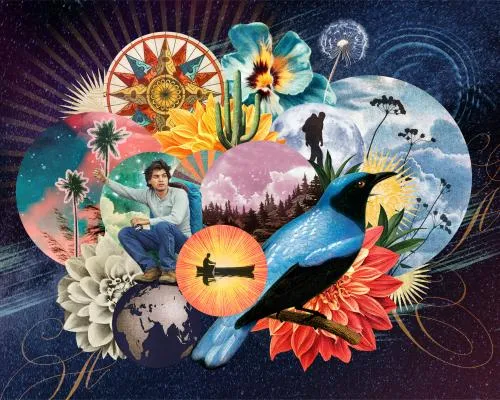 The Quest for Freedom: How a Film Inspired a Journey Through Nature
Morgan da Silva shares how 'Into the Wild' inspired him on his adventures and eventually led him to find inner peace through nature.
-
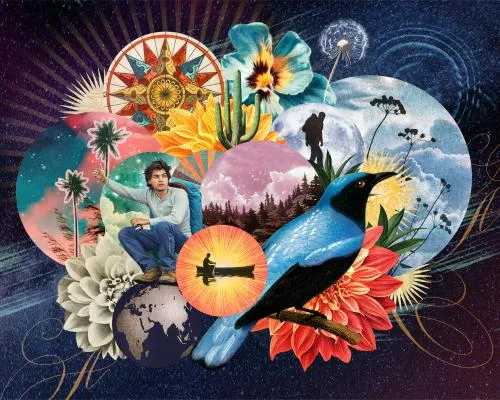 Finding Freedom: A Hiker's Journey from Escapism to Deep Connection
A hiker reflects on how an adventure inspired by Into the Wild led to a deeper understanding of freedom and personal growth.
-
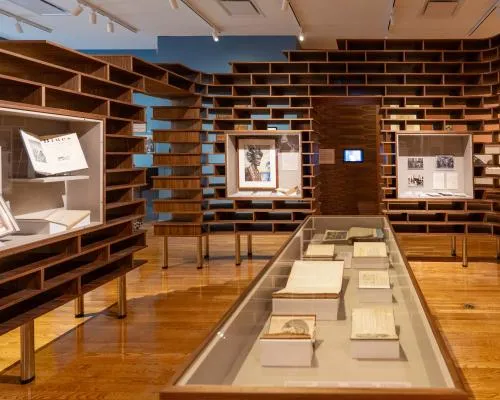 Schomburg Center's Centennial Celebrates Black History and Culture
The Schomburg Center celebrates 100 years of collecting and showcasing Black history with exhibits and digitization projects, focusing on underrepresented artists.
-
 Seth Meyers Criticizes Trump’s Bizarre Priorities on Late Night Show
Seth Meyers on Late Night criticized Donald Trump’s focus on obscure issues like sperm counts and magnets during his presidency.
-
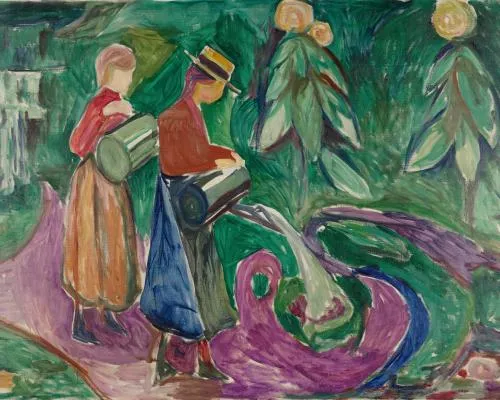 The Art of Advocacy: Exploring Edvard Munch’s Freia Frieze in Oslo
Exhibition examines Edvard Munch’s Freia frieze, revealing hidden intentions behind public art commissioned for a chocolate factory.


