- Ribena’s parent company invests in blackcurrant research to cope with climate change impacts.
- Blackcurrant harvests suffer from weather extremes including wet winters and heatwaves.
- Collaborative efforts aim to develop more resilient blackcurrant bushes and improve soil health.
Investment in Resilient Blackcurrants
The company behind the iconic Ribena brand is investing £200,000 in a project aimed at making blackcurrant bushes more resilient to extreme weather conditions. This investment follows a challenging year for UK growers, who have experienced one of the wettest winters on record, localised frosts and spring hailstorms, followed by intense summer heatwaves.
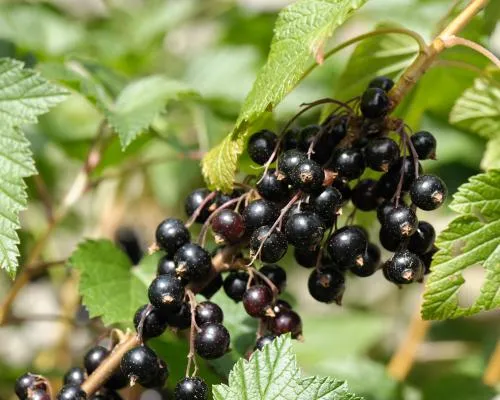
Harriet Prosser from Suntory Beverage & Food, which owns Ribena, highlighted that climate change is leading to an increase in weather extremes. 'Every year brings new challenges,' she said, noting the impacts of both prolonged wet periods and severe heat events on blackcurrant bushes.
The project involves a collaborative effort between Suntory, the National Institute of Agricultural Botany (Niab), and the Blackcurrant Foundation. The group plans to explore practical ways to enhance soil health, which can help blackcurrant bushes better withstand environmental stress.
Jo Hilditch, chair of the Blackcurrant Foundation and a grower from Herefordshire, emphasised the need for long-term resilience in the industry. 'We’re farming in a very different climate now,' she stated, suggesting that even growers accustomed to rain may have to adapt by installing irrigation systems.
Developing Hardier Varieties
The research programme at East Malling will evaluate methods for improving soil health through the use of organic additives. The goal is to assess their effectiveness in enhancing moisture retention and nutrient cycling, which can improve plant establishment, vigour, yield, and berry quality.
Furthermore, the initiative aims to develop new blackcurrant varieties that require less cold weather during winter due to global heating. This approach could provide a sustainable solution for growers facing increasingly unpredictable climate conditions.
Source: The Guardian

Business Daily
298 posts
-
 PNJ giãn tiến độ thanh toán với khách bán vàng, bạc: 5 điểm chính
PNJ thay đổi phương thức thanh toán khi thu lại sản phẩm từ khách hàng, kéo dài đến 120 ngày. Khách có thể chọn đổi sang sản phẩm khác để nhận chiết khấu.
-
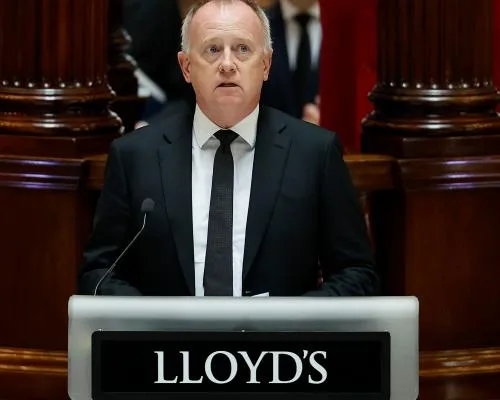 Lloyd's of London Czar John Neal Faced Conflict of Interest Allegations Over Close Relationship
Lloyd's of London has concluded its investigation into former CEO John Neal’s undisclosed close relationship with his female colleague Rebekah Clement, finding it could have created a conflict of interest.
-
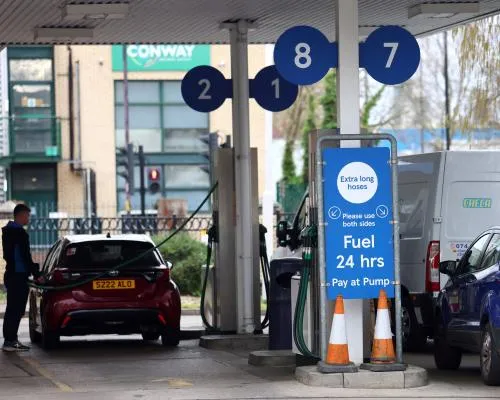 Oil Price Surge and Economic Update: Tensions Escalate Amid US-Iran Conflict
Oil prices hit $95 per barrel amid escalating US-Iran conflict and potential rise of core inflation in the UK. Analysts predict oil could reach over $120 by year-end.
-
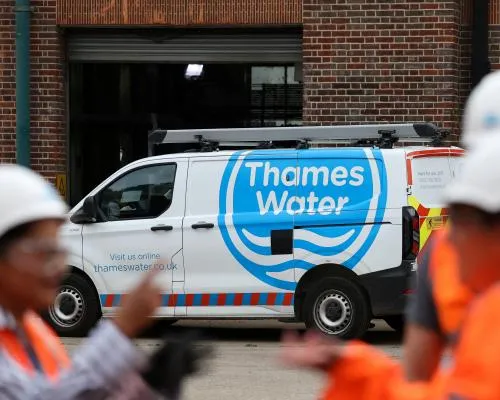 Thames Water Investors Prepare for Potential Nationalization Amid New PM’s Plans
Investors in Thames Water are preparing for potential legal battles as the company faces significant debt issues, while also seeking discussions with the incoming prime minister's government about enhanced public control.
-
 Tỷ giá trung tâm cao nhất 11 tháng, 'chợ đen' giảm do đầu cơ hạ nhiệt
Tỷ giá trung tâm neo cao nhất 11 tháng, song tỷ giá tự do giảm sâu. Phân tích từ chuyên gia cho thấy biến động này là kết quả giữa chiến lược điều hành chủ động và cung cầu thực tế của Ngân hàng Nhà nước.
-
 Ocado's Steiner Defends Future Role Amid Succession Speculation
Ocado's CEO Tim Steiner defends his future role amid succession speculation as the company faces reduced profits and boardroom tensions.
-
 Tài khoản 'ngủ đông' bị đóng: Nhiều ngân hàng lên tiếng
Tài khoản 'ngủ đông' bị đóng: Nhiều ngân hàng thông báo chính sách mới, áp dụng quy định từ Ngân hàng Nhà nước nhằm quản lý hiệu quả hơn.
-
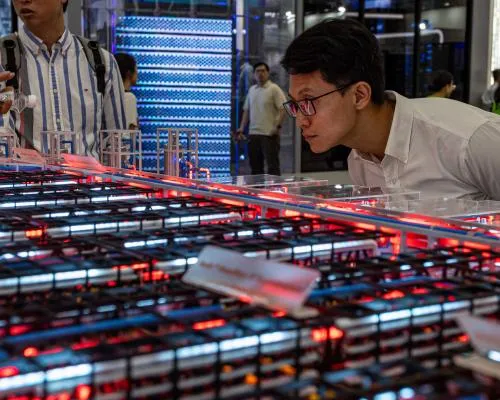 Tech Stocks Plunge Amid Global Economic Turmoil
Global tech stocks plunge amid market volatility driven by chip sell-offs, rising oil prices, and geopolitical tensions.
-
 British Steel Nationalized as Government Aims to Secure Domestic Supply
The UK government has nationalized British Steel, the last producer of primary steel from iron ore in the country, to protect jobs and secure domestic supply.
-
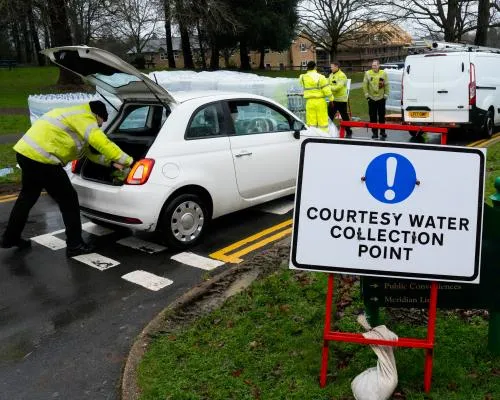 South East Water Faces Uncertain Future Amid Financial Struggles
South East Water faces material uncertainty over its future amid severe financial struggles and service outages. The utility needs new loan facilities by July 2027 to continue operations, but funding discussions are not yet legally committed.
-
 Mua vé World Cup thắng lớn của FIFA: Canh bạc cao ngất thất bại hay thành công?
FIFA đã đặt cược vào việc bán vé World Cup đắt đỏ và cuối cùng cũng thành công lớn, xóa tan lo ngại về ế ẩm dù tình hình bất ổn tại Mỹ. Canh bạc này đã chứng minh sự hiểu biết sâu sắc về thị trường của FIFA.


