- Music festivals have become a cornerstone of British culture in the 21st century, attracting diverse crowds and evolving significantly.
- Festival lineups have diversified greatly, moving from traditional rock bands to include pop stars, rappers, and activists.
- The boom has raised concerns about corporate ownership and the potential loss of genuine community experiences.
- Festivals now influence various aspects of society, including fashion and events economy.
Introduction: The Festival Phenomenon
Britain has a long history of festivals that have evolved over time. Today, these events are a significant part of the cultural landscape, attracting diverse audiences and becoming economically important.
Evolution of Lineups: From Rock to Pop
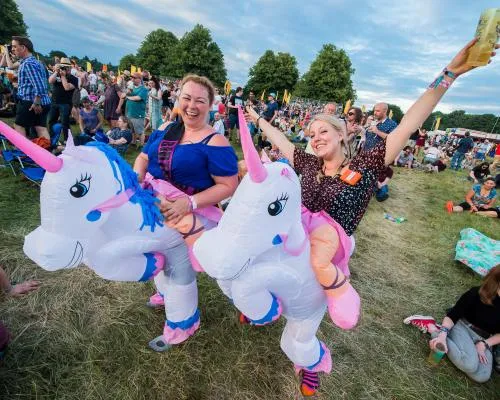
The lineups at British music festivals have expanded beyond traditional rock acts to include pop stars, rappers, and other genres. This shift reflects broader changes in popular music and culture.
Corporate Influence and Criticism
While the growth of music festivals has brought economic benefits, it has also raised concerns about corporate ownership and potential negative impacts on local communities. There have been discussions about the use of urban parks for prolonged periods, which have drawn criticism from various stakeholders.
The Festival Culture: Past and Present
Festivals in Britain trace their roots back to the 1950s and have undergone significant changes over time, reflecting broader societal shifts. Today's festival culture is a mix of diverse events that cater to a wide range of interests.
Source: The Guardian

Culture News
85 posts
-
 Greg James Reveals Wedding Details with Celebrity Guests
DJ Greg James discusses Taylor Swift’s wedding on his Wednesday morning show after flying to New York City for the event.
-
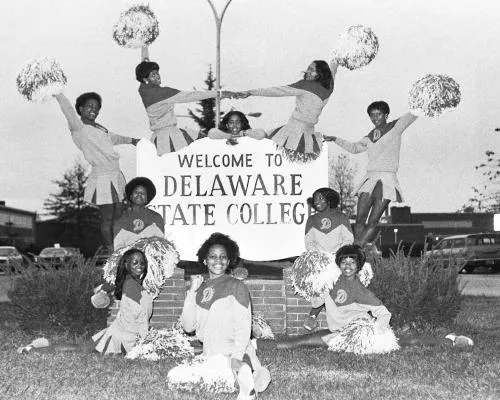 HBCUs Partner With Getty Images to Digitize Historical Archives
HBCUs partner with Getty Images to digitize historical archives, bringing significant financial benefits and enhancing accessibility.
-
 Tom Holland and Cast Share Excitement for Christopher Nolan's 'Odyssey'
Tom Holland and other actors share their excitement for Christopher Nolan’s upcoming movie adaptation of 'The Odyssey'.
-
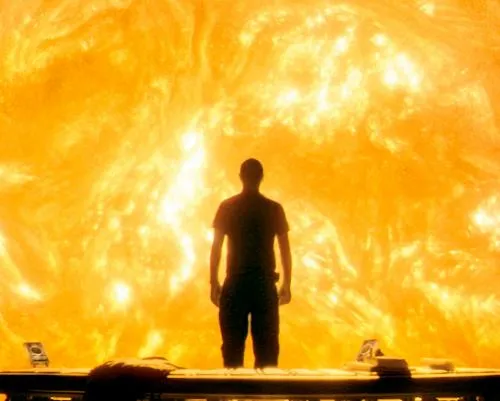 Danny Boyle's 'Sunshine': A Sci-Fi Thriller that Delves into Existential Horror
Danny Boyle's 'Sunshine' offers a chilling space odyssey that explores the limits of human knowledge and faith.
-
 AI's Impact on Writing: From Reviews to Literature
AI is increasingly influencing writing across various domains, from hotel reviews to literature. This article explores how experts struggle to distinguish between human and machine-generated text and discusses the broader implications on language use.
-
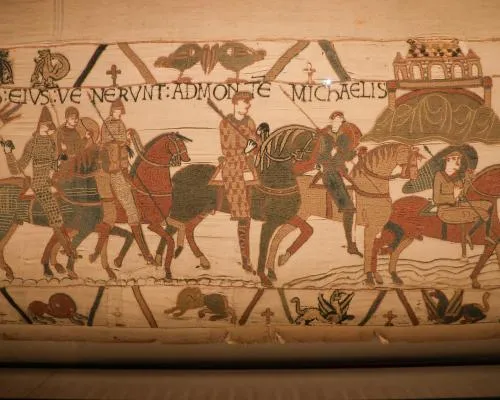 Medieval Treasures Beyond the Bayeux Tapestry: Reader Responses
Readers respond to an article on medieval art in Britain beyond the Bayeux Tapestry, discussing the quality of Anglo-Saxon embroidery and the cost of maintaining these historical treasures.
-
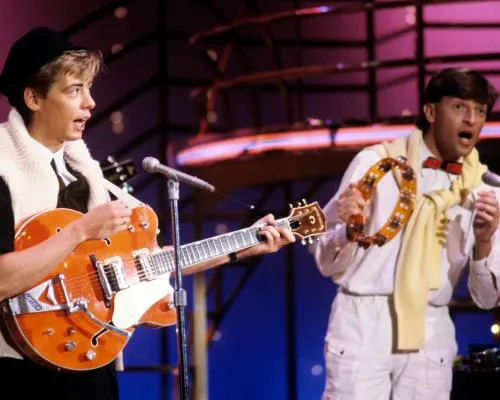 How ‘Fantastic Day’ Shaped a Band's Musical Journey
'Fantastic Day' by Haircut 100 has been a pivotal track since its creation in 1978 and continues to connect with audiences decades later.
-
 Leah Williamson Shares Her Musical Journey: From Enraptured Cassette Tapes to Modern Hits
England and Arsenal player Leah Williamson shares her musical journey from early cassette tapes to modern hits, highlighting how music has influenced her life.
-
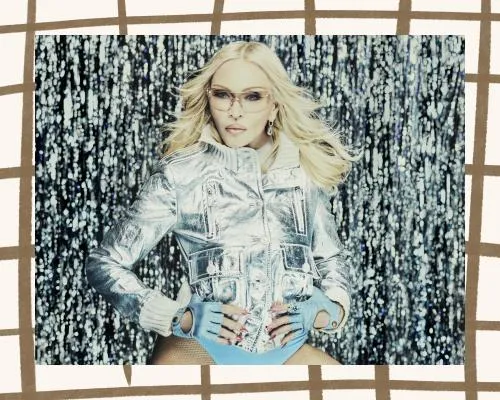 Weekend Entertainment Guide: From Minions to Madonna and Beyond
From blockbuster cinema to vibrant stage performances and new music releases, this guide covers all the entertainment options for the upcoming week.
-
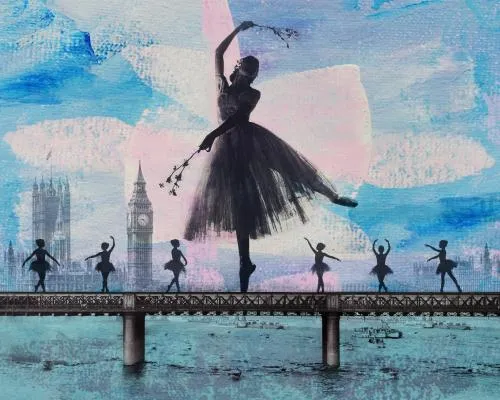 Ballet's Enduring Impact: A Lifelong Love for Dance
A lifelong passion for ballet, from a young girl’s first performance to a grandmother's daily routine.


