- Linguists explain the difficulty in distinguishing AI-generated writing from human writing.
- Allegations of LLM use are rocking literary worlds, with authors facing scrutiny over their works.
- Researchers identify patterns in AI-generated text that set it apart from human writing but also highlight the complexity of detection.
- AI's influence extends beyond literature to change how humans communicate and write.
Detecting AI-Generated Writing: A Challenge for Experts
Can you tell which hotel reviews were written by artificial intelligence? Three paragraphs, from three different hotel reviews. Can you spot the authentic ones among them?
- The hotel is in a great location for everything. Lots of places to eat and drink. The hotel itself is always abuzz. The tavern located on the ground floor is definitely a must. Food, service, prices and atmosphere were great.
- A good hotel, though the room had the proportions of a well-appointed lift. Slept well, shower was excellent, staff were friendly. Breakfast was busy but competent. Would return, though probably not with a very large suitcase.
- Excellent base for a London trip. The room was quiet, the bed comfortable, and everything worked exactly as it should. Staff were helpful without hovering. A smooth, unfussy stay from start to finish.
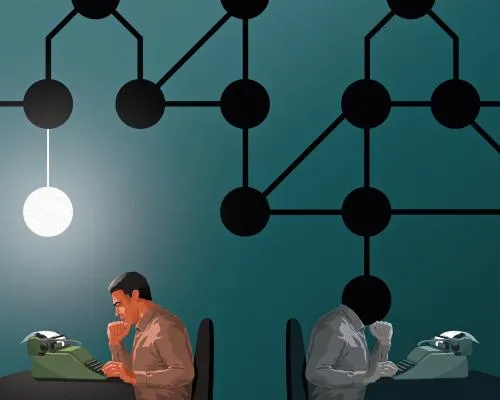
Most people, says Claire Hardaker, a professor of forensic linguistics at the University of Lancaster, get this kind of judgment right only about 60% of the time. Her online test, Bot or Not, asks users to identify the fakes in a series of hotel reviews.
The success rate might come as a surprise to those convinced they can spot AI writing at 50 paces. When doubts were raised in May about the authenticity of a prizewinning short story, social media users were quick to condemn it. However, Hardaker says that respondents tend to rely on simplistic rules, such as the presence of cliches and the use of dashes or the “rule of three.” These telltale signs are also characteristic of human writing, given that large language models (LLMs) were trained on extensive human data.
For example, neurodivergent people might write in a way that would be seen as AI-like. Moreover, humans are influenced by the styles they encounter online, including those from LLMs like ChatGPT, Claude and Gemini. Thus, it can be challenging to distinguish between human writing and machine-generated text without definitive evidence.
AI's Influence on Human Communication
The impact of AI extends beyond literature into the broader realm of language use. Words like 'delve' have become increasingly common due to their frequent appearance in AI-generated content, even outside these models. This influence is not limited to writing but also affects how humans communicate and write when AI isn't present.
As Gary Shteyngart’s students reacted strongly to the prospect of AI-generated works, it's clear that the issue goes beyond technical accuracy into deeper concerns about the nature of authorship and creativity. Language changes continuously, with new technologies often driving shifts in usage.
Source: The Guardian

Culture News
85 posts
-
 Greg James Reveals Wedding Details with Celebrity Guests
DJ Greg James discusses Taylor Swift’s wedding on his Wednesday morning show after flying to New York City for the event.
-
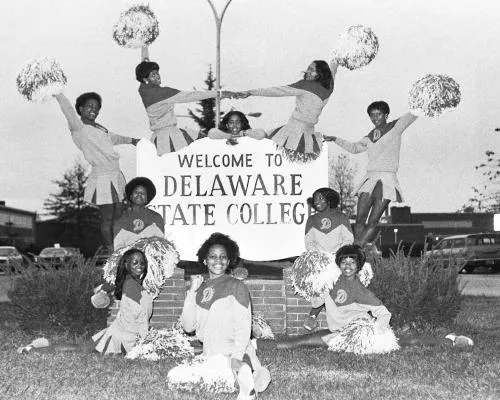 HBCUs Partner With Getty Images to Digitize Historical Archives
HBCUs partner with Getty Images to digitize historical archives, bringing significant financial benefits and enhancing accessibility.
-
 Tom Holland and Cast Share Excitement for Christopher Nolan's 'Odyssey'
Tom Holland and other actors share their excitement for Christopher Nolan’s upcoming movie adaptation of 'The Odyssey'.
-
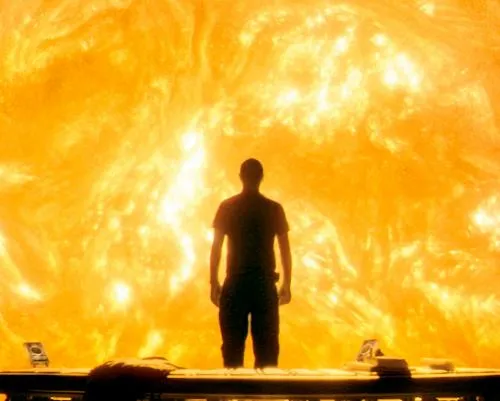 Danny Boyle's 'Sunshine': A Sci-Fi Thriller that Delves into Existential Horror
Danny Boyle's 'Sunshine' offers a chilling space odyssey that explores the limits of human knowledge and faith.
-
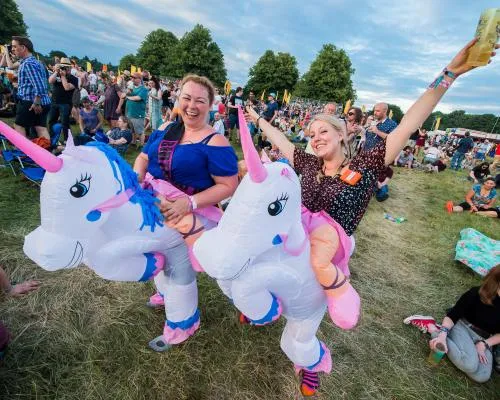 The Festival Boom: From Grime to Gown
How have British festivals transformed from subcultural gatherings to mainstream events that cater to everyone? Examining the evolution of festival lineups and their impact on modern culture.
-
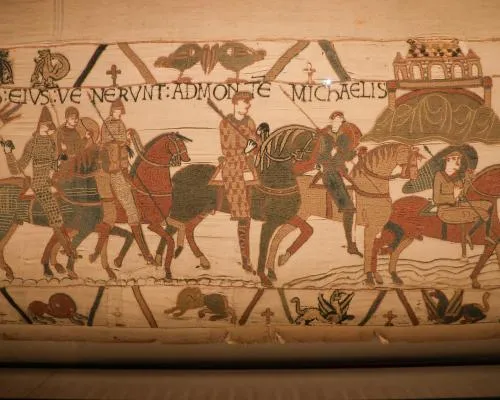 Medieval Treasures Beyond the Bayeux Tapestry: Reader Responses
Readers respond to an article on medieval art in Britain beyond the Bayeux Tapestry, discussing the quality of Anglo-Saxon embroidery and the cost of maintaining these historical treasures.
-
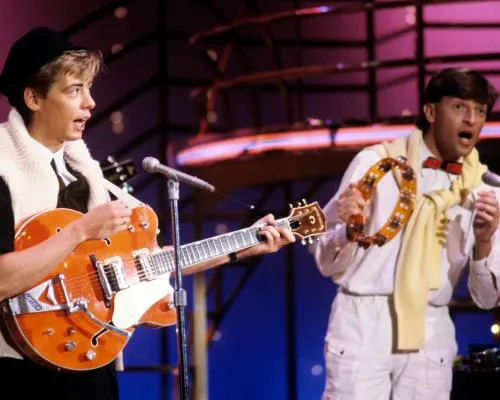 How ‘Fantastic Day’ Shaped a Band's Musical Journey
'Fantastic Day' by Haircut 100 has been a pivotal track since its creation in 1978 and continues to connect with audiences decades later.
-
 Leah Williamson Shares Her Musical Journey: From Enraptured Cassette Tapes to Modern Hits
England and Arsenal player Leah Williamson shares her musical journey from early cassette tapes to modern hits, highlighting how music has influenced her life.
-
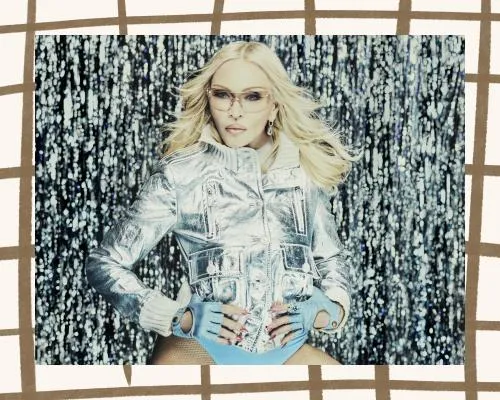 Weekend Entertainment Guide: From Minions to Madonna and Beyond
From blockbuster cinema to vibrant stage performances and new music releases, this guide covers all the entertainment options for the upcoming week.
-
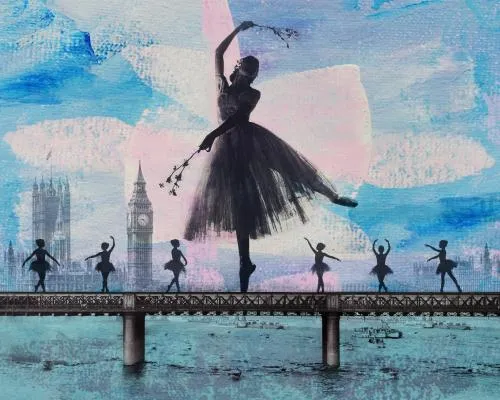 Ballet's Enduring Impact: A Lifelong Love for Dance
A lifelong passion for ballet, from a young girl’s first performance to a grandmother's daily routine.


