- Sunshine, directed by Danny Boyle, features a team of astronauts tasked with piloting a nuclear bomb into the sun to save Earth.
- The film stars an ensemble cast including Cillian Murphy, Rose Byrne, and Chris Evans, showcasing their roles before achieving greater fame.
- Boyle's unique style blends homage to classic sci-fi films like Event Horizon and 2001: A Space Odyssey with his own artistic vision.
- Garland’s script explores themes of human nature and the potential for divine revelation through scientific endeavor.
Plot Overview
Sunshine, a 2007 science-fiction thriller directed by Danny Boyle, follows an eight-member crew on a mission to save Earth from its dying sun. Their objective is to pilot a massive 'stellar bomb' into the surface of the sun with the hope of restoring life to it. This setup echoes the core premise of Project Hail Mary but with a more ominous and existential tone.
Cast and Production
The cast features an impressive lineup of actors, many of whom were just beginning to make their mark on Hollywood. Cillian Murphy stars as the astrophysicist Robert Capa, while Rose Byrne, Michelle Yeoh, Benedict Wong, Hiroyuki Sanada, and Chris Evans round out a diverse ensemble. The film’s aesthetic is characterized by Mark Tildesly's production design and Suttirat Anne Larlarb's costumes.
Visual and Musical Style
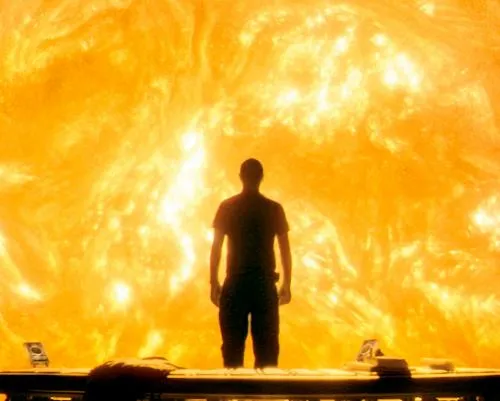
Boyle employs a distinct visual style for Sunshine. Inside Icarus II, the spaceship’s interiors are shot to resemble a nightclub atmosphere. As the crew enters a communications dead zone, Boyle uses innovative techniques such as blurry double exposures and subliminal flash frames to create an eerie sense of time distortion. The film's score is composed by John Murphy and electronic dance outfit Underworld, with tracks like 'Born Slippy (Nuxx)' providing a nostalgic soundtrack reminiscent of the 1990s British club scene.
Themes and Philosophical Undertones
Danny Boyle’s unique approach to filmmaking is evident in Sunshine. The movie’s script, written by Alex Garland, grapples with complex philosophical questions about human nature and the possibility of divine revelation through scientific exploration. This is perhaps most evident in scenes where characters engage with the dying star, leading to an existential crisis that challenges their belief in rational science.
Boyle’s eclectic filmography includes Sunshine sandwiched between two heartwarming stories of young boys self-actualising via unexpected wealth: 2004’s Millions and 2008’s Oscar-winning Slumdog Millionaire. This psychedelic space slasher is more spiritually akin to 2000’s The Beach, Boyle’s first collaboration with writer Alex Garland, a similarly sun-soaked descent into madness. The interiors of the spaceship are shot like a nightclub and as the crew enters the communications dead zone – beyond which Cillian Murphy’s astrophysicist Robert Capa predicts “space and time will become smeared together” – Boyle experiments with blurry double exposures, subliminal flash frames, and eerie gravitational architecture (one could imagine a younger Christopher Nolan taking notes, seven years before Interstellar). The film is scored by John Murphy and electronic dance outfit Underworld, whose euphoric 'Born Slippy (Nuxx)' underpinned Boyle’s breakout film Trainspotting and arguably marked the zenith of 90s British club culture.
Icarus II’s crew, meanwhile, is a who’s-who of brilliant actors frozen in time right before the wider industry figured out what to do with them. There’s not just Cillian Murphy (seemingly our go-to guy for history-altering explosives), but Rose Byrne, Michelle Yeoh, Benedict Wong, Hiroyuki Sanada and Captain America himself, Chris Evans – who starts the film with an indie-mod Mighty Boosh-esque hairdo that looks as nefarious in 2057 as it did in 2007. If Project Hail Mary paints science and kindness as humanity’s greatest interplanetary exports, then Sunshine posits that the further we stray from Earth the less human we become.
Conclusion
Sunshine is a thought-provoking and visually striking film that serves as both an homage to sci-fi classics and a fresh take on the genre. Its complex themes and innovative visuals make it a must-watch for fans of science fiction, particularly those interested in exploring the boundaries between rationality and faith.
Source: The Guardian

Culture News
85 posts
-
 Greg James Reveals Wedding Details with Celebrity Guests
DJ Greg James discusses Taylor Swift’s wedding on his Wednesday morning show after flying to New York City for the event.
-
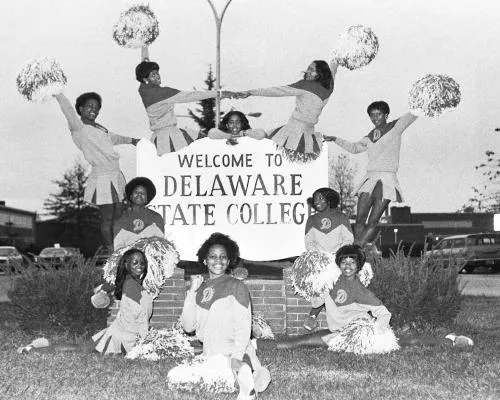 HBCUs Partner With Getty Images to Digitize Historical Archives
HBCUs partner with Getty Images to digitize historical archives, bringing significant financial benefits and enhancing accessibility.
-
 Tom Holland and Cast Share Excitement for Christopher Nolan's 'Odyssey'
Tom Holland and other actors share their excitement for Christopher Nolan’s upcoming movie adaptation of 'The Odyssey'.
-
 AI's Impact on Writing: From Reviews to Literature
AI is increasingly influencing writing across various domains, from hotel reviews to literature. This article explores how experts struggle to distinguish between human and machine-generated text and discusses the broader implications on language use.
-
 The Festival Boom: From Grime to Gown
How have British festivals transformed from subcultural gatherings to mainstream events that cater to everyone? Examining the evolution of festival lineups and their impact on modern culture.
-
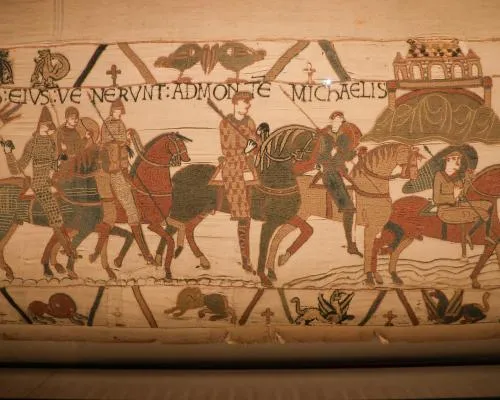 Medieval Treasures Beyond the Bayeux Tapestry: Reader Responses
Readers respond to an article on medieval art in Britain beyond the Bayeux Tapestry, discussing the quality of Anglo-Saxon embroidery and the cost of maintaining these historical treasures.
-
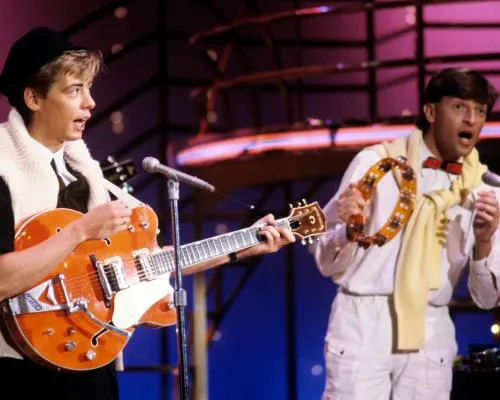 How ‘Fantastic Day’ Shaped a Band's Musical Journey
'Fantastic Day' by Haircut 100 has been a pivotal track since its creation in 1978 and continues to connect with audiences decades later.
-
 Leah Williamson Shares Her Musical Journey: From Enraptured Cassette Tapes to Modern Hits
England and Arsenal player Leah Williamson shares her musical journey from early cassette tapes to modern hits, highlighting how music has influenced her life.
-
 Weekend Entertainment Guide: From Minions to Madonna and Beyond
From blockbuster cinema to vibrant stage performances and new music releases, this guide covers all the entertainment options for the upcoming week.
-
 Ballet's Enduring Impact: A Lifelong Love for Dance
A lifelong passion for ballet, from a young girl’s first performance to a grandmother's daily routine.


