- Keir Starmer will work with European allies at the Nato summit in Ankara.
- Concerns exist that Donald Trump may further challenge defense spending commitments within the alliance.
- The UK government is emphasizing its continued commitment to Nato despite previous criticisms from the US ambassador.
- Starmer aims to address Russian military activity and promote fairer burden sharing among Nato members.
Key Objectives of Keir Starmer’s Diplomatic Mission
Keir Starmer, the outgoing Prime Minister, will travel to Ankara for the NATO summit on Tuesday with a dual objective: to reinforce Britain's commitment to defense spending and to seek support from European allies. His efforts are part of a broader strategy to counter potential criticisms from US President Donald Trump, who has raised concerns about some NATO members not meeting their defense expenditure targets.
Defending British Commitment
The UK government is countering the narrative set by the U.S. ambassador to NATO that 'some allies are doing more than others.' A spokesperson for the prime minister stated, 'We reject these claims. The UK has always met its NATO spending commitments and remains one of the top defence centres in the alliance.' Despite this assurance, Whitehall officials express concern about the possibility of a 'dressing down' from Trump during their interactions.
NATO’s Growing Threats
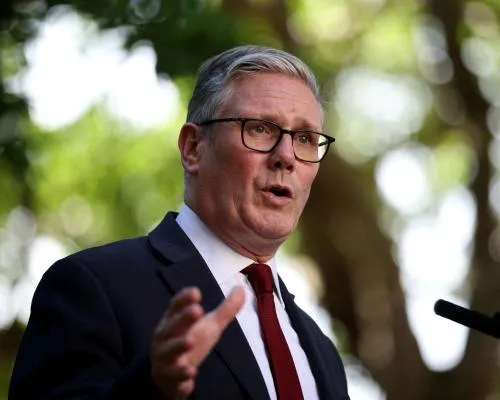
Starmer will also address Russia's increasing military activity. According to Downing Street, Russian naval and air activities have surged in recent years; there has been a 30% increase in vessels threatening UK waters over the past two years. In response, NATO fighter jets have been scrambled more than 700 times to intercept Russian aircraft approaching allied airspace.
The UK is committed to building a stronger Europe within NATO to counter these growing threats. A spokesperson for Downing Street said, 'That’s why the UK is committed to building a stronger Europe within NATO – because the safety, stability and prosperity of our citizens depend on it.' Russian military activity around NATO waters had surged, with a 30% increase in vessels threatening UK waters in the past two years.
Defending British Interests
The summit presents an opportunity for Starmer and other European leaders to emphasize their defense pledges, particularly regarding the target of spending 3.5% GDP on defense by 2035. Despite being the third-largest real terms contributor to NATO, behind only the U.S. and Germany, the UK is ranked 14th among NATO countries in percentage share of GDP.
UK officials hope that by landing this message with NATO's biggest contributors, they can foster a more equitable distribution of defense responsibilities. No 10 insisted that the UK’s contribution to NATO, which is regarded as the cornerstone of UK national security, 'will not waver' and that defence spending will rise to 2.7% of GDP by 2027-28 – although there is no firm commitment to hit a 3% interim benchmark by the end of the decade.
Starmer has been accused of leaving him a £5bn funding gap in his defence investment plan. However, officials argue that the UK's commitment remains strong and will continue to increase as planned. Whitehall officials are concerned that Trump may still attempt to 'dressing down' Starmer during their interactions.
Adding to the complexity of Starmer’s mission is the fact that he will travel to Ankara with less than two weeks left in office, while Andy Burnham, the prime minister in waiting, is in talks with the civil service at home on transition plans. This may limit Starmer's ability to fully engage and make meaningful commitments.
The summit may also present an opportunity for Trump to hold bilateral talks at the summit with Ukraine’s president, Volodymyr Zelenskyy, among others. However, it is expected that Starmer will only meet Trump in the main group sessions or on the sidelines of meetings.
Despite ongoing tensions with European partners and previous threats that the US might leave NATO entirely, Trump is expected to use the summit to 'take stock' of other nations' expanding defense capabilities. The UK is committed to ensuring a fairer burden sharing among its allies within the alliance.
Source: The Guardian

Guardian News World
481 posts
-
 Scottish Government Considers Moratorium on Datacentre Projects Amid AI Strategy Review
The Scottish National Party has proposed a moratorium on new datacentres in Scotland, challenging the UK's broader AI strategy and calls for greater technology sovereignty.
-
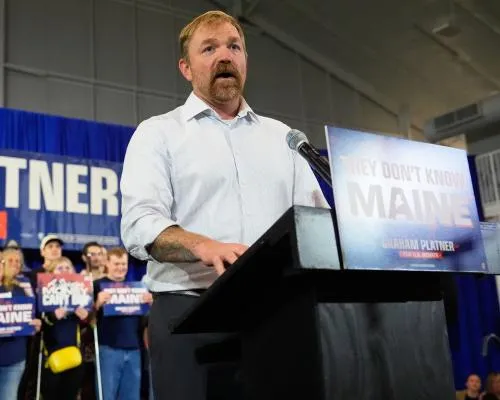 Democratic Party Reacts to Sexual Assault Allegations Against Senate Nominee
Democratic Party leaders and progressive groups have withdrawn support for Senator Graham Platner amid sexual assault allegations, while Walmart announced price cuts on several products.
-
 British Charity Funds Expansion of School in Contested Hebron Area
A British charity has donated significant funds to an Israeli settlement school in Hebron, raising concerns about legal and ethical implications.
-
 Obituary: A Life Dedicated to Cultural Diplomacy
Colin Perchard dedicated over four decades to cultural diplomacy with the British Council, notably as its director in India.
-
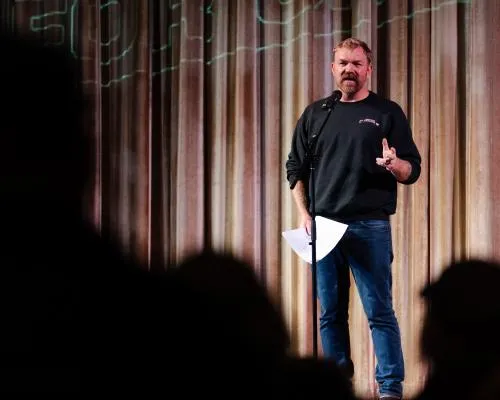 Democrat Senatorial Nominee Graham Platner Accused of Sexual Assault
Democratic Senate candidate Graham Platner is facing new allegations of sexual assault from a woman who dated him for over two years. He denies the claims but faces ongoing scrutiny as he runs against Republican Susan Collins in Maine.
-
 Democrat Senate Candidate Graham Platner Faces New Allegations
Democrat candidate Graham Platner is facing new sexual assault allegations which could impact his chances in Maine's upcoming Senate race.
-
 Bạo loạn nhà tù Negombo: 25 người chết, 100 người bị thương do xung đột băng đảng
Vụ bạo loạn trong nhà tù Negombo ở Sri Lanka đã gây chết chóc nghiêm trọng, đồng thời làm nổi bật vấn đề quản lý tù nhân và sức chứa quá mức của các nhà tù.
-
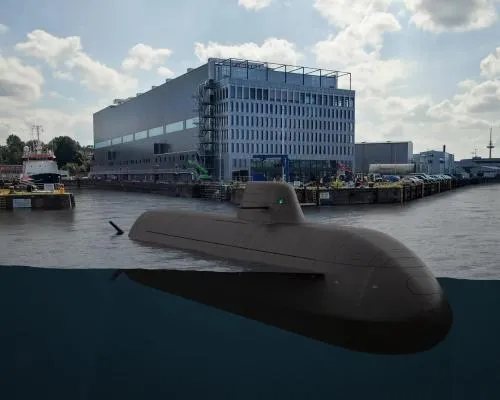 Canada Chooses German Submarine Builders for Major Defense Contract
Canada selects German ThyssenKrupp Marine Systems (TKMS) to build 12 submarines, marking a major defense contract that will strengthen naval capabilities and deepen NATO ties.
-
 Report Reveals Widespread Issues in Police Leadership Across England and Wales
A government-backed report finds significant issues with police leadership across England and Wales, including widespread nepotism and bias, leading to inconsistent service quality.
-
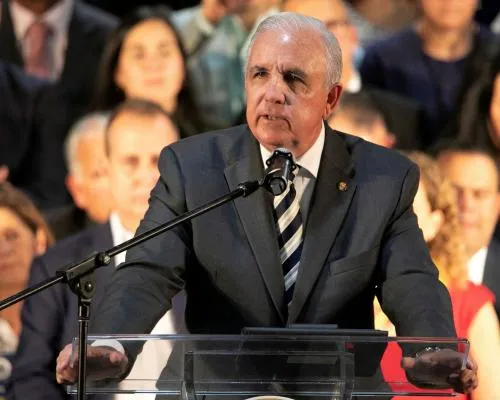 Florida Representative Criticizes Plan to End TPS for Haitian Migrants
Florida Representative Carlos Giménez joins other state officials in opposing the termination of Temporary Protected Status (TPS) for Haitian immigrants.


