- Germany's TKMS wins a lucrative contract to build 12 submarines for Canada.
- The order will strengthen Canada's naval capabilities, particularly in the Arctic region.
- The deal is part of Canada’s broader strategy to reduce reliance on U.S. defense equipment.
Canada Selects German Consortium for Cutting-Edge Submarine Contract
The Canadian government has chosen a German consortium led by ThyssenKrupp Marine Systems (TKMS) to construct 12 state-of-the-art submarines in one of the country’s largest-ever defence contracts. This decision, announced on Monday, marks an important step towards modernizing Canada's naval fleet and enhancing its military capabilities.
The bidding process for this contract was intense, with both TKMS and South Korean shipbuilder Hanwha Ocean competing to provide cutting-edge submarines that could meet the Royal Canadian Navy’s requirements. Both firms had promised advanced technology and potential economic benefits. However, after months of negotiation and scrutiny, TKMS emerged as the winner.
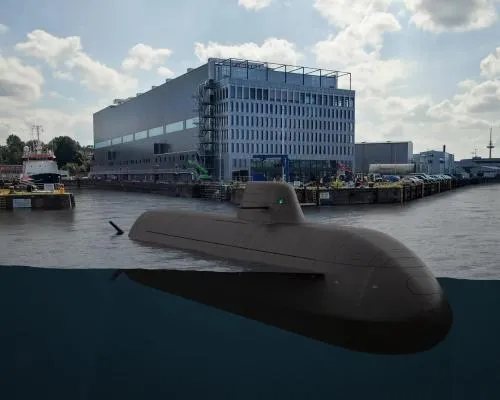
The contract, estimated at over US$12 billion (£9 billion), includes not only the construction of 12 submarines but also a half-century maintenance agreement. This could potentially increase the total cost to more than US$70 billion. The new subs will likely bolster Canada's presence in the Arctic and be equipped with advanced stealth technology, enabling prolonged surveillance missions.
The selection reflects a broader strategy by the Canadian government to reduce its reliance on U.S.-made defense equipment. It has already committed to purchasing 18 American F-35 fighter jets but is also considering other options, including Saab's Gripen warplanes and GlobalEye surveillance aircraft. This move aims to diversify its defense industry and build stronger alliances within NATO.
The decision for the German consortium underscores Canada’s strategic importance in NATO. The submarines will probably be used to help give Canada a stronger foothold in the Arctic, where modern stealth technology is crucial. The TKMS vessels are designed to use modern stealth technology to operate in contested areas with minimal detection and will be able to conduct lengthy surveillance missions in key Arctic routes, including the Northwest Passage.
The contract negotiations are expected to take years, as both parties finalize the details of this substantial deal. However, it signals a significant shift in Canada's approach to military procurement and its strategic positioning within international defense collaborations.
Carney took a delegation of senior cabinet ministers to visit TKMS’s building facility in Kiel, Germany last year, and toured a newly built sub at Hanwha’s facility in Geoje, South Korea. Senior officials from both countries also made visits to Canada to sell the broader economic benefits of their respective pitches.
German officials made repeated references to a broader compatibility with NATO, and it has been reported that TKMS was hoping to expand the scope of the contract to include possible investments in rare earths, mining, artificial intelligence, and battery production for the automotive sector. South Korea is not a NATO member, but Hanwha representatives said the company would use steel from Algoma’s plant in Sault Ste Marie, Ontario, to build armoured weaponised military vehicles in Canada.
Canada has also suggested it is open to making larger purchases from European contractors, part of a larger push to lessen its reliance on the US. It has already committed to buying 18 American-made Lockheed Martin F-35 Lighting II jets – a fighter plane long favoured by the Royal Canadian Air Force for interoperability with the North American Aerospace Defense Command, the bi-national military organisation shared between Canada and the US. Recent political tensions between the two nations have pushed Ottawa look at other vendors to help modernise its air force. Canada is weighing the purchase of 72 Saab-made Gripen warplanes.
On Monday, the secretary general of NATO, Mark Rutte, told reporters that the members of the alliance were about to announce billions in new contracts, calling it the 'crucial kit we need to deter and defend.' This decision is part of a larger push by Canada to strengthen its defense capabilities and enhance its strategic position within the North Atlantic Treaty Organization.
Source: The Guardian

Guardian News World
479 posts
-
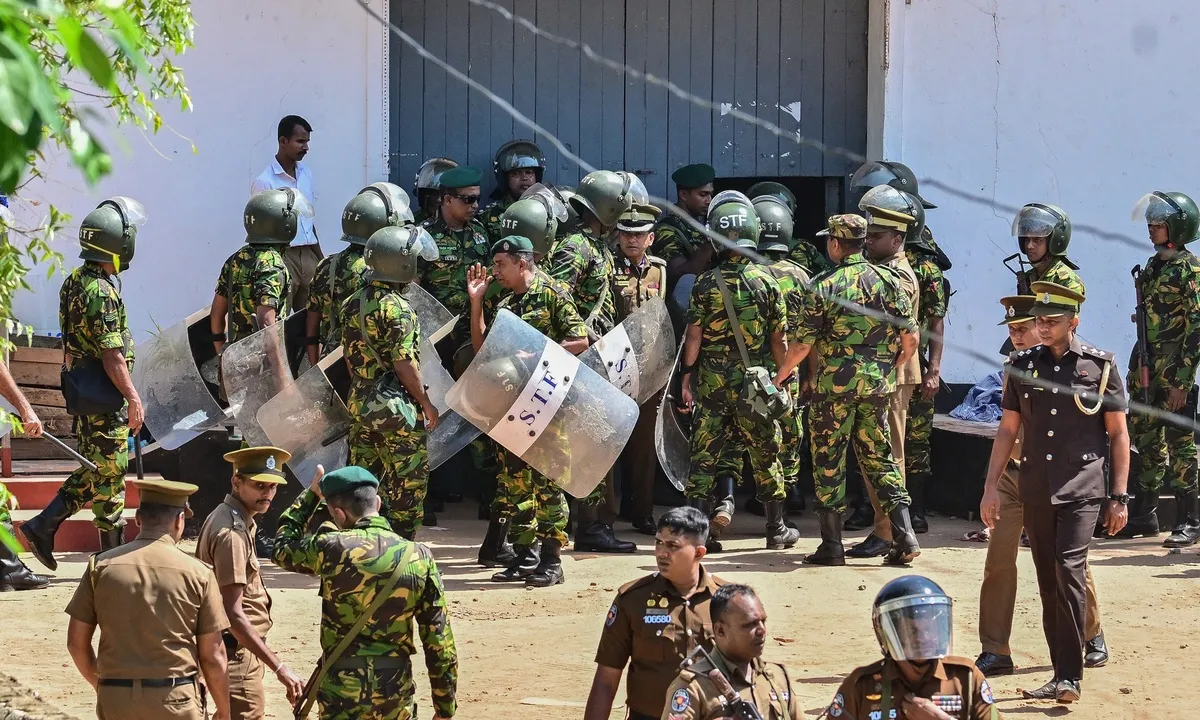 Bạo loạn nhà tù Negombo: 25 người chết, 100 người bị thương do xung đột băng đảng
Vụ bạo loạn trong nhà tù Negombo ở Sri Lanka đã gây chết chóc nghiêm trọng, đồng thời làm nổi bật vấn đề quản lý tù nhân và sức chứa quá mức của các nhà tù.
-
 Report Reveals Widespread Issues in Police Leadership Across England and Wales
A government-backed report finds significant issues with police leadership across England and Wales, including widespread nepotism and bias, leading to inconsistent service quality.
-
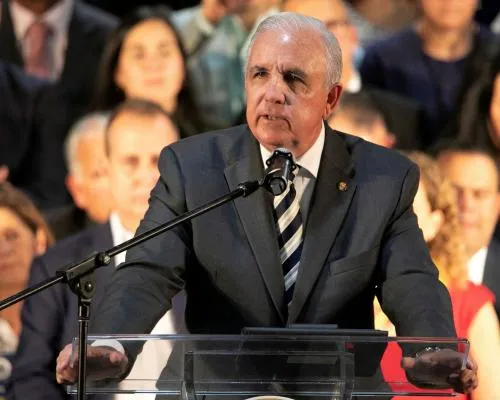 Florida Representative Criticizes Plan to End TPS for Haitian Migrants
Florida Representative Carlos Giménez joins other state officials in opposing the termination of Temporary Protected Status (TPS) for Haitian immigrants.
-
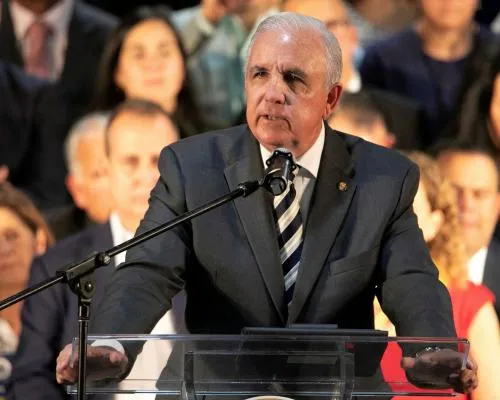 Florida Congressman Argues Against Deporting Haitians with TPS
Florida Congressman Carlos Giménez and other Republican leaders are opposing the Trump administration’s plan to end temporary protected status for Haitian migrants.
-
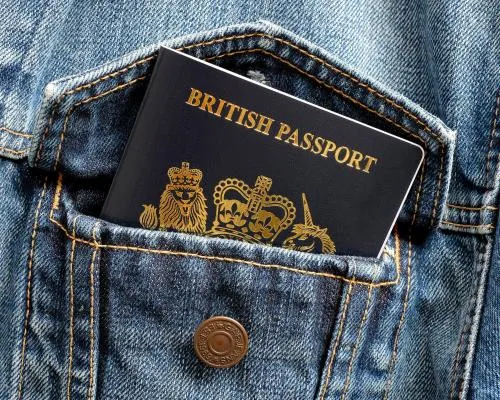 Call to Raise Awareness on Children's Citizenship Rights
A letter from Solange Valdez-Symonds calls for increased public awareness on the importance of registering children's British citizenship.
-
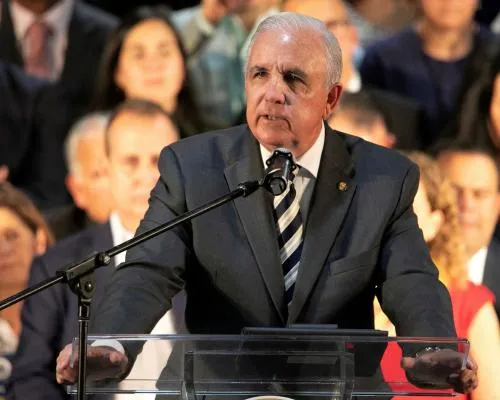 Florida Congressman Stands Against Deportation of Haitians with TPS
Florida Republican Congressman Carlos Giménez joins other politicians in opposing the deportation of Haitian migrants under TPS, citing safety concerns and economic contributions.
-
 Michigan’s Democrats Face Progressive vs Establishment Tussle for US Senate Seat
Michigan’s Democratic primary leaves a progressive vs centrist battle for the US Senate seat. Candidates Abdul El-Sayed and Haley Stevens represent different wings of the party.
-
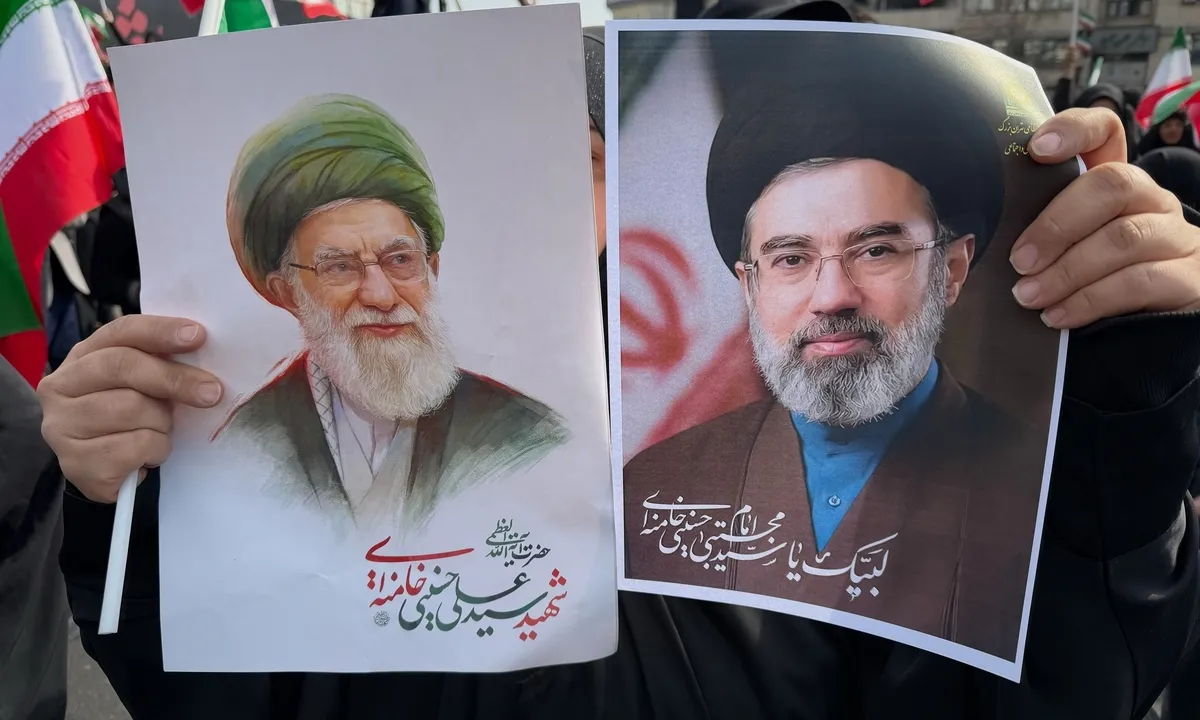 Lãnh tụ Tối cao Iran vắng mặt tại tang lễ cha do thương tích
Lãnh tụ Tối cao Iran không tham gia tang lễ cha mình trong khi Iran tổ chức tang lễ quy mô lớn cho cố lãnh tụ. Các con trai của cố lãnh tụ cầu nguyện bên quan tài.
-
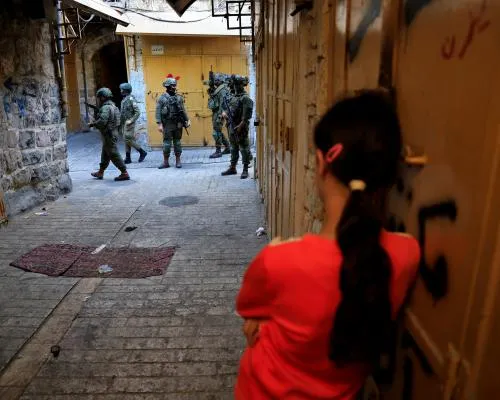 Global Urgency: Protecting Palestinian Children from Violence
Palestinian children face significant risks due to escalating violence in the West Bank, with at least one child dying each week since January 2025. Unicef UK calls for urgent action from both local authorities and international bodies.
-
 Urgent Need to Protect Palestinian Children Amid Escalating Violence
The chief executive of Unicef UK highlights the escalating violence against Palestinian children in the West Bank, calling for global action.


