- Employees have no automatic right to take time off for a World Cup match.
- Late arrival at work could count as an unauthorised absence, potentially leading to disciplinary action.
- Employers should consider flexible working options and workload distribution during the tournament period.
- Contractual obligations regarding overtime pay in hospitality sectors remain crucial.
Can I take time off for a match?
The timing of the Mexico v England game on Monday at a 1am kick-off, with the potential for it to last until almost 4am if it goes to penalties, poses significant challenges for workplace attendance. For many workers who choose to watch the match, there will be little opportunity to catch some sleep before their usual back-to-work rush hour becomes more sluggish than usual.
Nicole Humphreys, a partner at Mayo Wynne Baxter, notes that there is no automatic right to take time off for such events. She explains, 'Many employers will have policies setting out how holiday should be booked. Where there is no policy, employees should usually give notice of at least twice the length of the time off they are requesting,' she says. Those who had mapped out England’s route through the tournament and successfully requested leave weeks ago might have an easier time securing permission, while those who only learned about the game on Wednesday night may face more difficulty.
What if I'm late for work?
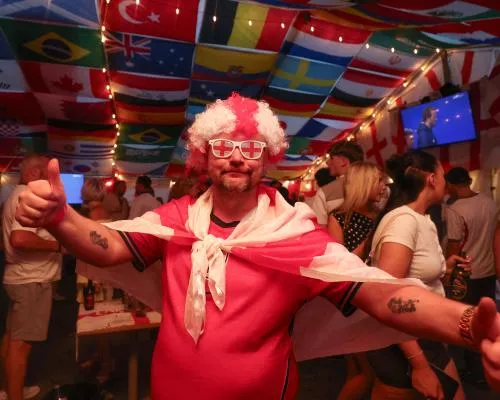
Late arrivals on Monday could be problematic, potentially classified as unauthorised absences unless previously agreed with management. Joanne Moseley from Irwin Mitchel advises employers to conduct return-to-work interviews to investigate any inconsistencies in the reasons given for absence. She states, 'Employers should already have processes in place to deal with staff who phone in sick for the odd day,' adding that these usually start with a return-to-work interview where they should be asked to explain any inconsistencies between the reason given for their absence and any observed behavior—such as pictures of them on social media watching football in the pub.
She emphasizes, 'If an employee is unable to give a satisfactory answer, their employer is likely to take disciplinary action against them.' On the flip side, the Trades Union Congress (TUC) has called on employers to be flexible. Vivek Dodd from Skillcast stresses that employers should apply annual leave, flexible working, and attendance policies fairly and consistently across diverse workforces. He suggests allowing later start times or remote working options.
What about those in hospitality?
Hospitality workers may face additional shifts due to extended licensing hours for pubs showing the match. Danielle Parsons from Irwin Mitchell warns that there is no automatic right to extra pay or time off in lieu, but employers cannot require employees to work these shifts without their consent.
She explains, 'Any extra shifts associated with the extended licensing hours should be offered fairly and on a voluntary basis.' Parsons adds that the precarious nature of much hospitality work could make it difficult for workers to decline extra shifts. She states, 'Some workers may also struggle with sudden changes to their working hours due to childcare or caring responsibilities.'
Conclusion
The upcoming World Cup game between England and Mexico on Monday presents a unique set of challenges for employers and employees alike. As the stakes are high for those supporting their national team, it’s crucial that employers approach these situations with flexibility and fairness to maintain a positive work environment. The TUC's General Secretary Paul Nowak appeals to businesses to 'show some common sense and understanding' during this exciting period in football history.
Source: The Guardian

Uk News Feed
285 posts
-
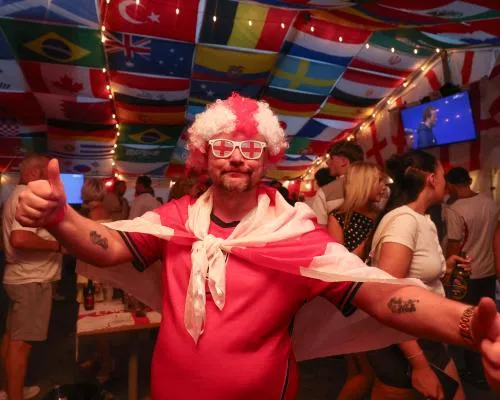 Workplace Challenges of Watching England's World Cup Match
Exploring the complexities of workplace policies during the World Cup and how employers can balance support for fans while maintaining operational efficiency.
-
 US Candidates Face Backlash Over Gaza Protests
US congressional candidates face controversy over their stances on Israel-Palestine conflict during protests, highlighting its role in US politics.
-
 US Elections and Israel-Palestine Conflict Spark Controversies
US congressional elections have been dramatically affected by the Israel-Palestine conflict, with incidents involving candidates in California and New York sparking significant debates.
-
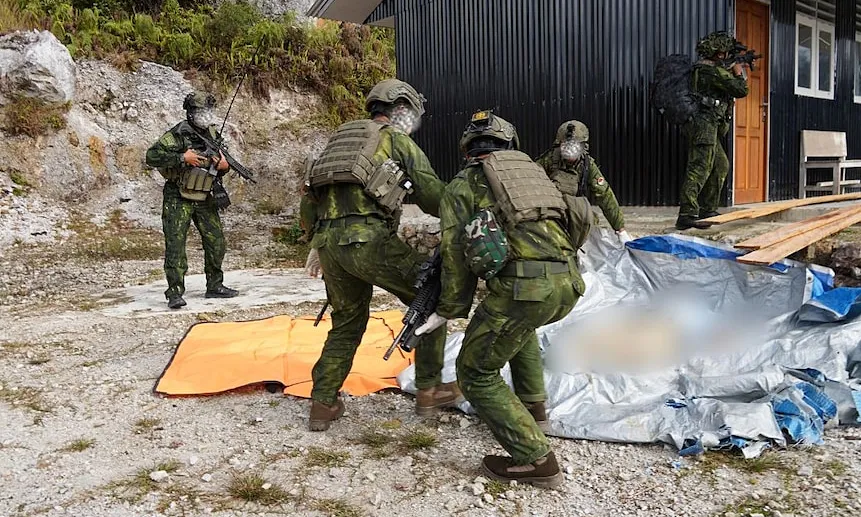 Indonesia thu hồi thi thể phi công Mỹ trong chiến dịch không đối kháng
Quân đội Indonesia triển khai trực thăng thu hồi thi thể phi công Mỹ bị phe ly khai ở Tây Papua.
-
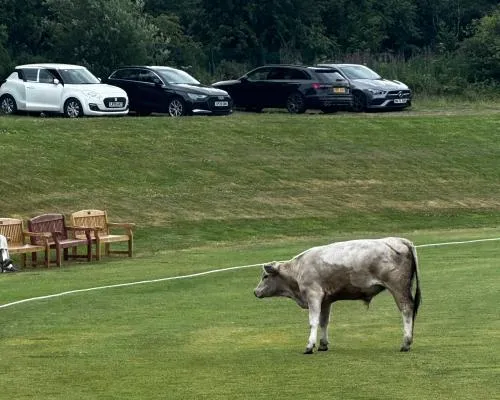 Cricket Match Abandoned After Runaway Bull Charges Playing Field
A cricket match in Burnopfield near Newcastle had to be abandoned after a runaway 800kg bull charged at players and spectators, causing safety concerns.
-
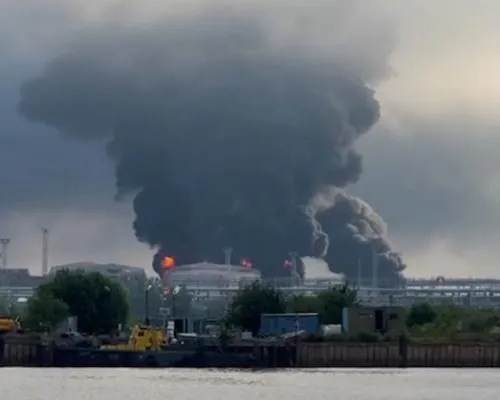 Ukrainian Drone Strikes Hit Russian Ports Amid Intensified Military Campaign
Ukraine launched a large-scale overnight drone attack on St Petersburg's oil terminal, causing minor damage but no casualties. The strikes target critical Russian infrastructure as part of Ukraine’s long-range sanctions strategy.
-
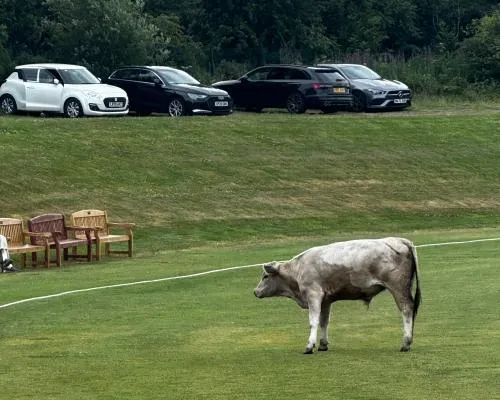 Cricket Match Interrupted by Runaway Bull
A cricket game was interrupted by a runaway bull, leading to its abrupt abandonment after posing significant safety risks.
-
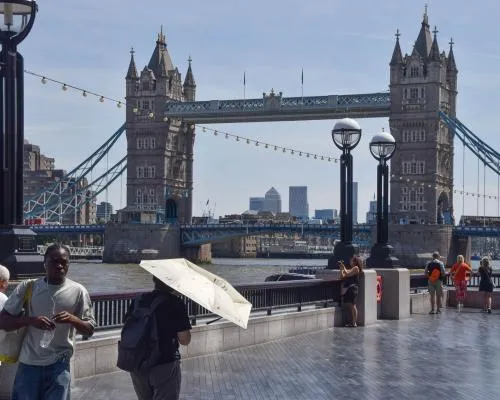 UK set for week-long heatwave with 34C forecast
The United Kingdom is bracing for a week-long heatwave with peak temperatures reaching 34C in the south-east by Thursday or Friday.
-
 UK Expects Week-Long Heatwave with Peak at 34C
The UK faces a week-long heatwave with temperatures peaking at 34C in the south-east, prompting health alerts and water restrictions.
-
 Trump Lawyers Seek Delay in Payment to E Jean Carroll
Trump’s legal team seeks court permission to delay payment of a $5.8 million judgment to E Jean Carroll, who claims she was sexually abused by the former president.


