- Friends of Yeshivat Shavei Hevron sent over £200,000 to a religious school in Hebron between 2019 and 2024.
- The expansion includes a new dormitory that will increase the settler population in this Palestinian city.
- Critics argue the funding supports illegal Israeli settlements and violates international agreements on Hebron.
Charitable Donations Fuel Expansion of Controversial Religious School in Hebron
A British charity is funding a religious school at the heart of expansion plans for the illegal Israeli settlement in the Palestinian city of Hebron. Friends of Yeshivat Shavei Hevron sent nearly £200,000 to the school between 2019 and 2024, the last year for which accounts are publicly available on the website of the Charity Commission, the charity regulator for England and Wales.
The construction of a new dormitory for the school was approved in June, after the far-right finance minister, Bezalel Smotrich, unilaterally broke a decades-old international agreement on control of Hebron to give Israel planning authority. The expansion will increase the population of one of the most extreme Israeli communities in the occupied West Bank, and the only one built in the heart of a Palestinian city.
Issa Amro, a Palestinian human rights defender from Hebron and co-founder of Youth Against Settlements, expressed concern about the potential impact. “The new building will mean more violence towards Palestinians, more restrictions, and more Israeli military presence,” he stated.
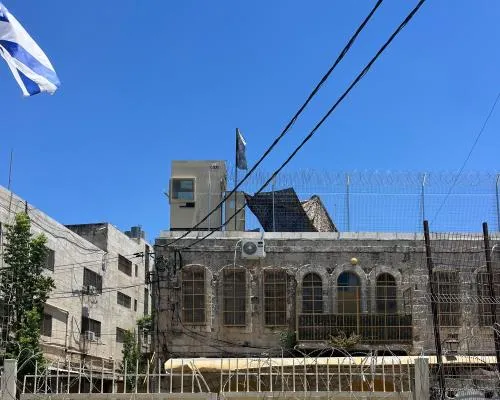
Hagit Ofran, from the Israeli advocacy group Peace Now, highlighted how such expansions contribute to an apartheid-like system in Hebron. “For this yeshiva to exist, thousands of Palestinians have already lost their shops, housing, and daily livelihoods,” she said. “The new dormitory is a significant development because they are adding more settlers in Hebron, the most extreme settlement, where apartheid conditions are prevalent.”
International and Israeli leaders, including the late US president Jimmy Carter and Tamir Pardo (former Mossad head), have stated that Israel has imposed an apartheid system in the occupied West Bank, including Hebron. The yeshiva seeks funding from other countries that consider settlements in occupied Palestine illegal, offering donations “with receipts” in France and Canada. An Israeli crowdfunding tech company, Israelgives, has facilitated millions of dollars in funding for settlements from US residents.
The exterior of the new dormitory is already complete, and the Israeli military has built an outpost on the roof of a nearby Palestinian home. In 2023, Friends of Yeshivat Shavei Hevron donated £58,200 to the school and claimed more than £2,000 in gift aid from HMRC according to its accounts. The charity says on its website that it is not registered for gift aid.
The donations appear to contravene the charity’s own deed of trust, which refers to educational and charitable work “in the state of Israel,” with no mention of Palestine. Although Israel has never defined its own borders, the British government formally recognized the state of Palestine in 2021 on territory that includes Hebron.
The charity was one of 32 registered in England and Wales identified by Labour MP Melanie Ward in a letter sent to the Charity Commission on June 1. Ward claimed that these charities had collectively donated at least £28m to Israeli settlements recently. The Charity Commission passed on details to the Metropolitan police’s war crimes unit, but no investigation is under way.
Nadav Weiman, executive director of Breaking the Silence, a group founded by Israeli combat veterans, noted that students from the yeshiva throw stones at Palestinians from their roof. He stated, “If communities fund that [new] dormitory, they are funding more violence, funding the next wave that will bring death to Palestinian families and Israeli families.”
Labour peer Helena Kennedy called for British citizens to be banned from buying property in Israeli settlements in the occupied West Bank. Speaking in the House of Lords on Monday, Kennedy said the purchase or investment in settlement land would make British citizens “complicit” in violations of international law.
The expansion of settlements in Hebron is part of a broader trend where Israeli authorities have broken decades-old agreements to gain more control over parts of the city. These actions are seen as part of a strategy to solidify Israeli presence, despite international criticism and calls for compliance with international law. The ongoing funding by Friends of Yeshivat Shavei Hevron raises serious ethical concerns about supporting institutions that contribute to human rights abuses.
Source: The Guardian

Guardian News World
480 posts
-
 Iran đóng cửa eo biển Hormuz: Tình hình Trung Đông tiếp tục căng thẳng
Tình hình Trung Đông tiếp tục căng thẳng sau khi thỏa thuận ngừng bắn được ký kết
-
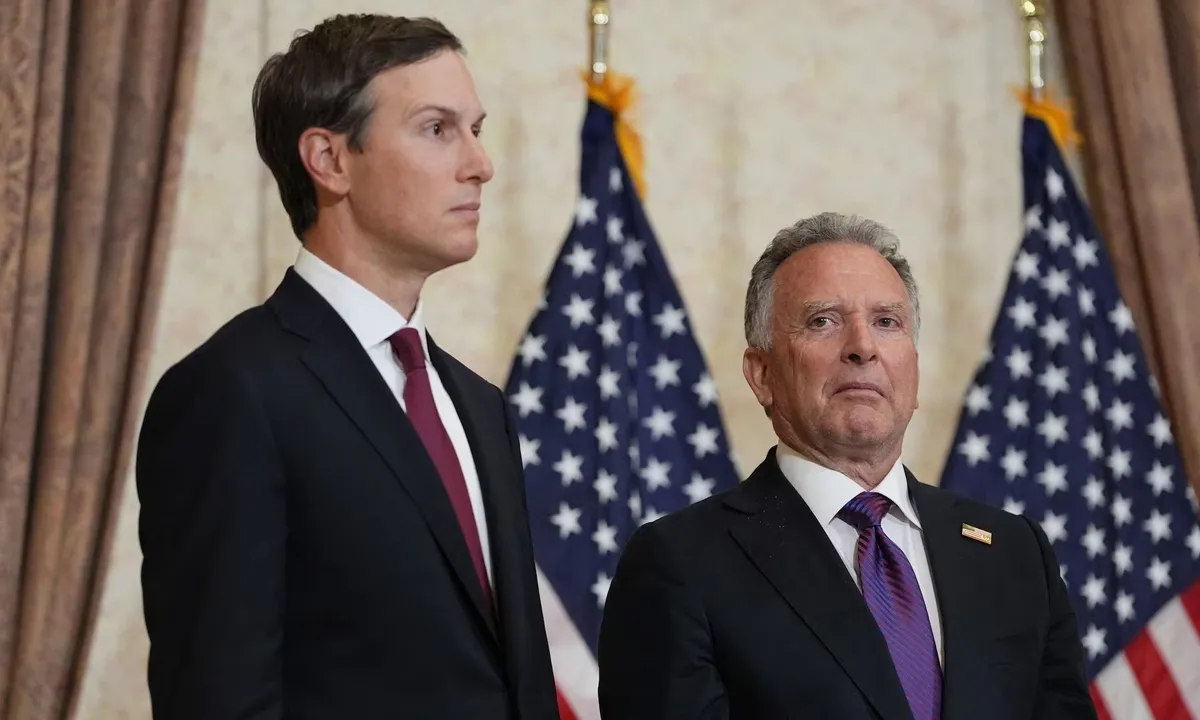 Đàm phán Mỹ - Iran: Những bước đi quan trọng
Vì sao cuộc đàm phán giữa Mỹ và Iran lại quan trọng và có thể ảnh hưởng đến tình hình chính trị thế giới?
Đặc phái viên Mỹ Steve Witkoff và con rể… -
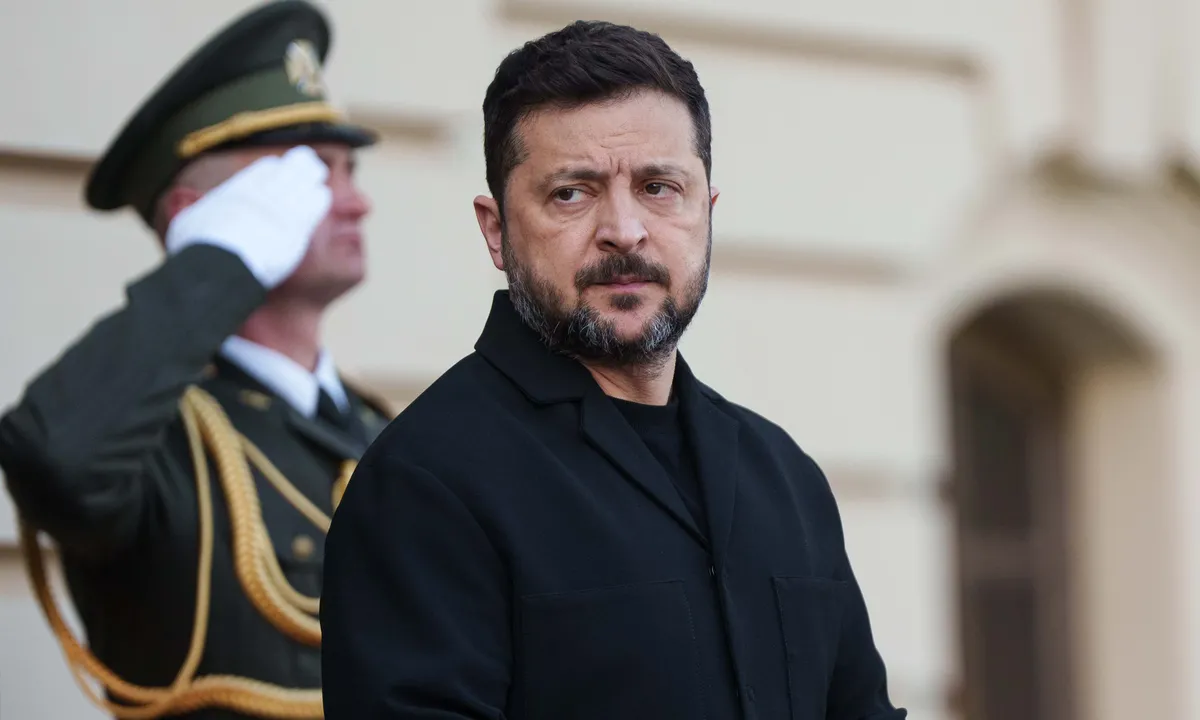 Tổng thống Zelensky cảnh báo Belarus về hỗ trợ chiến dịch Nga
Tổng thống Zelensky đưa ra tối hậu thư với Belarus về hỗ trợ chiến dịch Nga
-
 CĐV Nhật Bản dọn rác World Cup: Hành động đẹp nhưng còn nhiều việc phải làm
Câu hỏi cốt lõi
Vì sao hành động dọn rác của CĐV Nhật Bản lại trở thành đề tài bàn luận về bình đẳng giới?
Phân tích chi tiết
Một bức ảnh chế… -
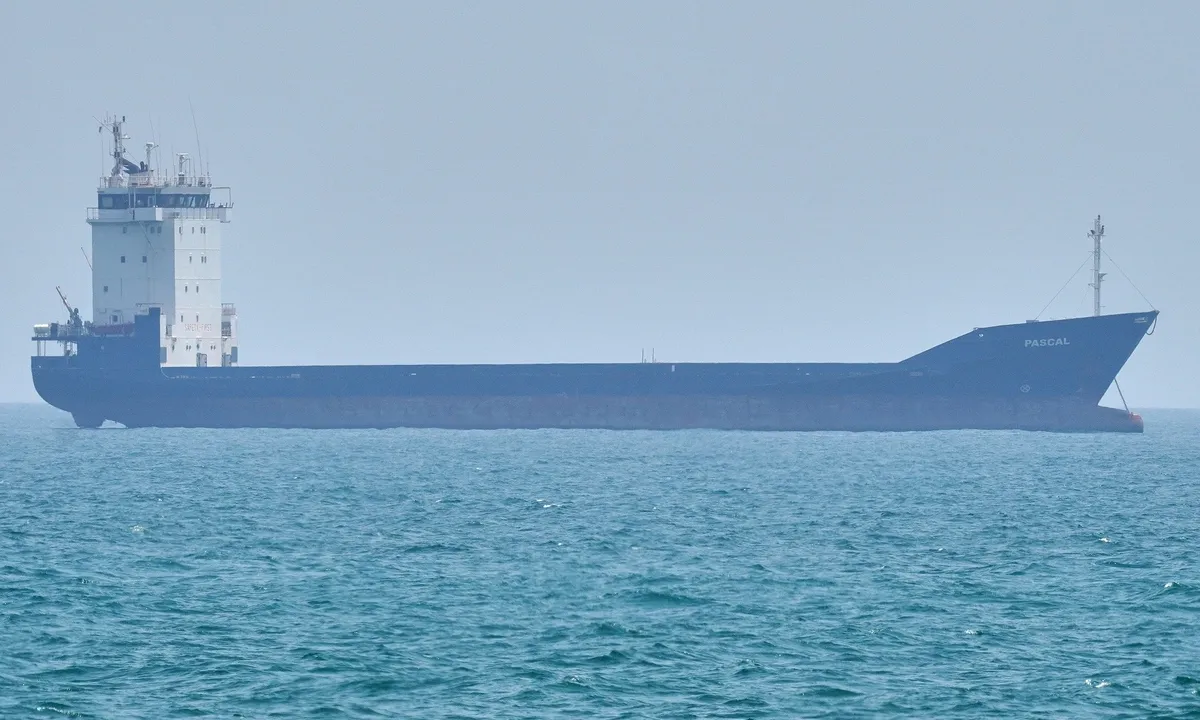 Eo biển Hormuz: Thách thức hậu cần khi mở cửa lại
Eo biển Hormuz mở cửa lại sau khi Iran và Mỹ ký bản ghi nhớ chấm dứt xung đột, nhưng vẫn còn nhiều thách thức về hậu cần
-
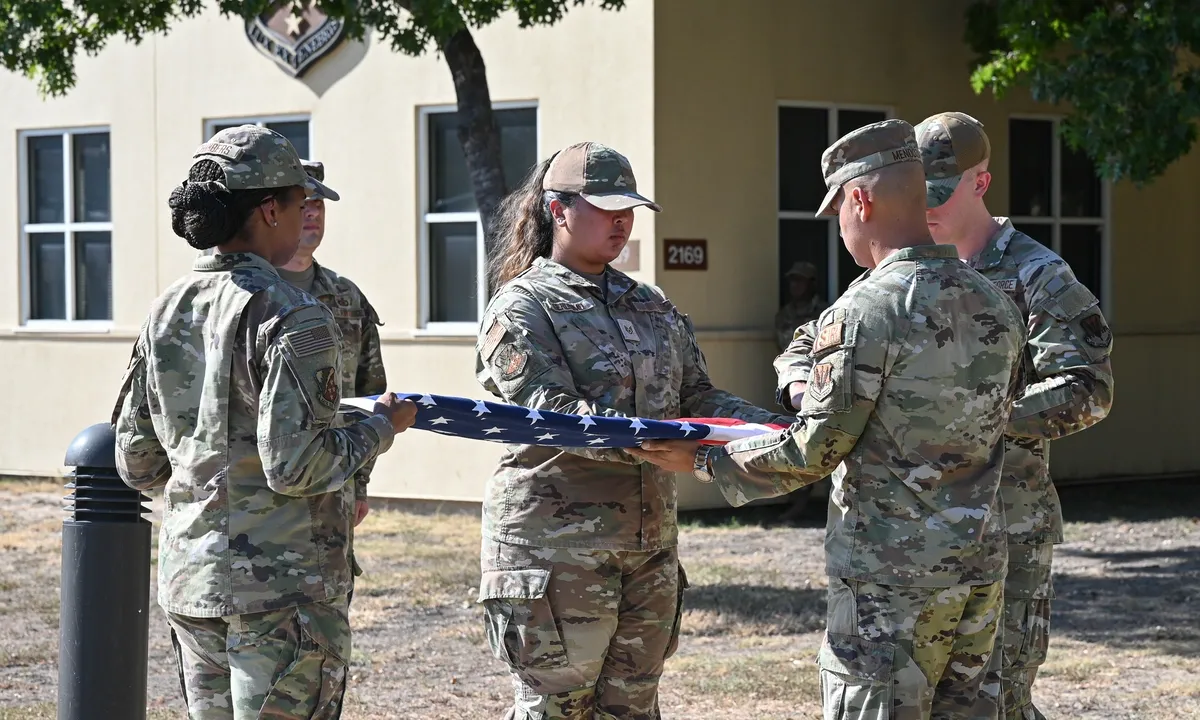 Dịch cúm bùng phát tại căn cứ Mỹ sau khi thay đổi quy định tiêm vaccine
Câu hỏi cốt lõi
Vì sao dịch cúm lại bùng phát tại căn cứ không quân Lackland sau khi thay đổi quy định tiêm vaccine?
Phân tích chi tiết
Dịch… -
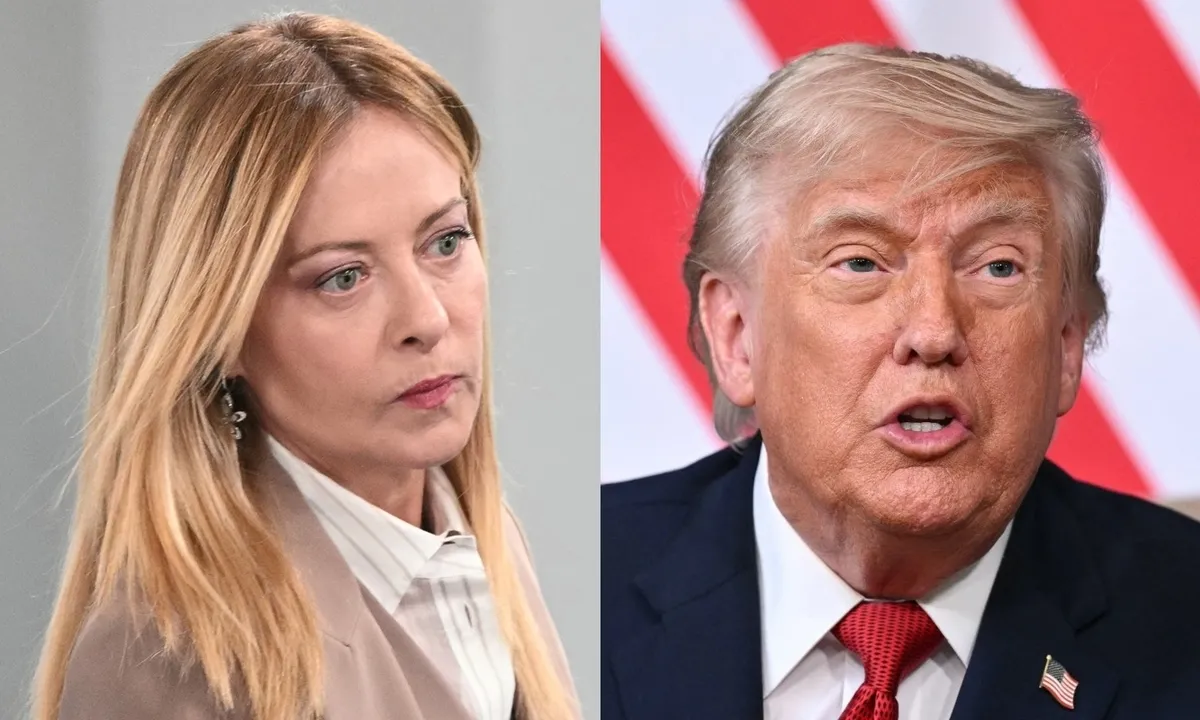 Mối quan hệ Mỹ - Italy rạn nứt sau bình luận của Tổng thống Trump
Mối quan hệ Mỹ - Italy rạn nứt sau bình luận của Tổng thống Trump
-
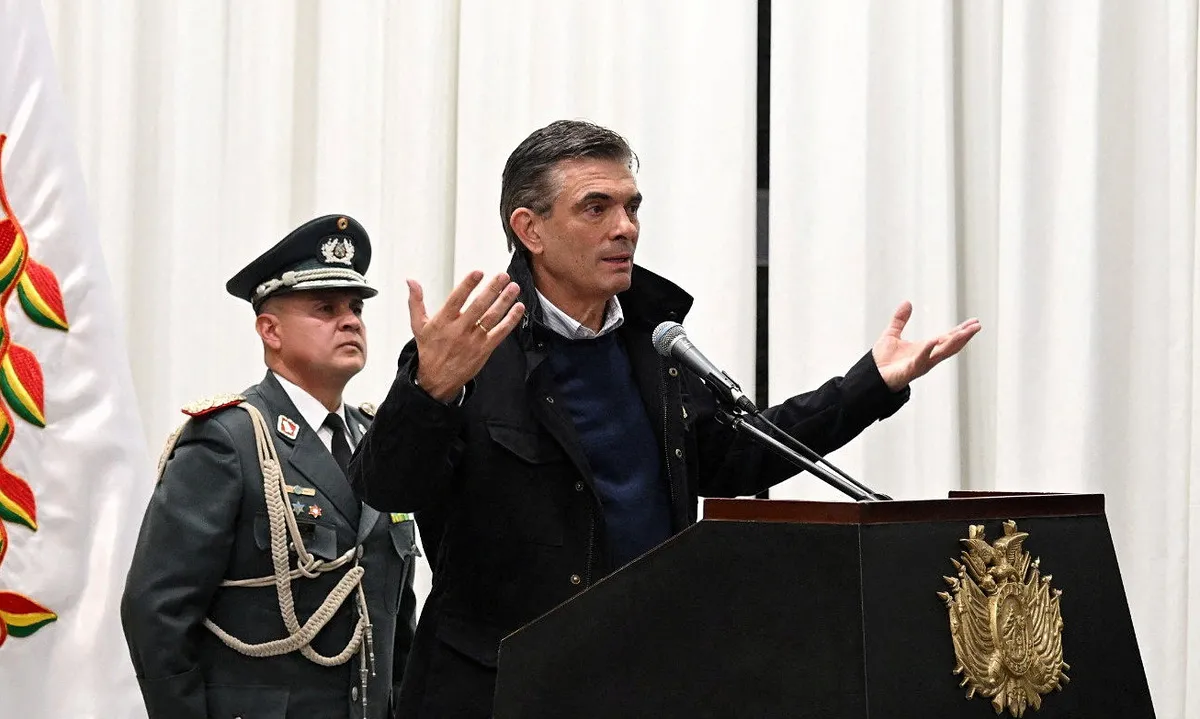 Bolivia đối mặt với tình trạng khẩn cấp do biểu tình
Bolivia đối mặt với tình trạng khẩn cấp do biểu tình sau khi cắt giảm trợ giá nhiên liệu và cải cách ruộng đất.
-
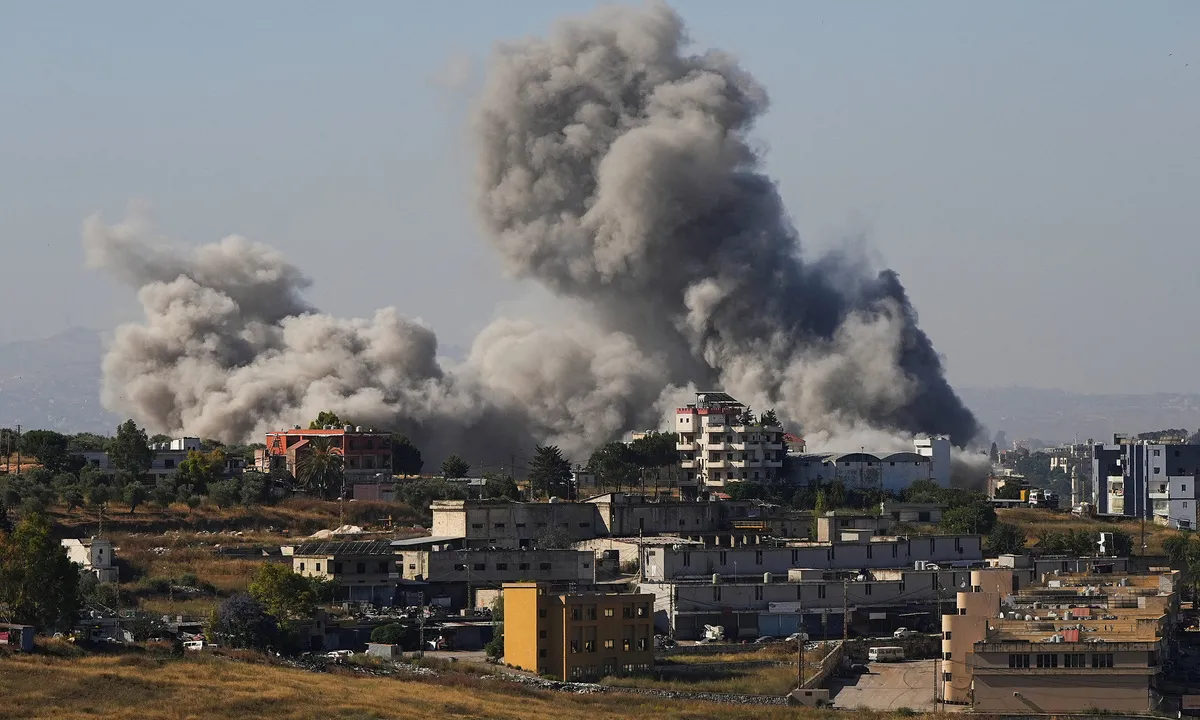 Israel và Hezbollah tiếp tục giao tranh bất chấp thỏa thuận ngừng bắn
Israel và Hezbollah tiếp tục giao tranh bất chấp thỏa thuận ngừng bắn
-
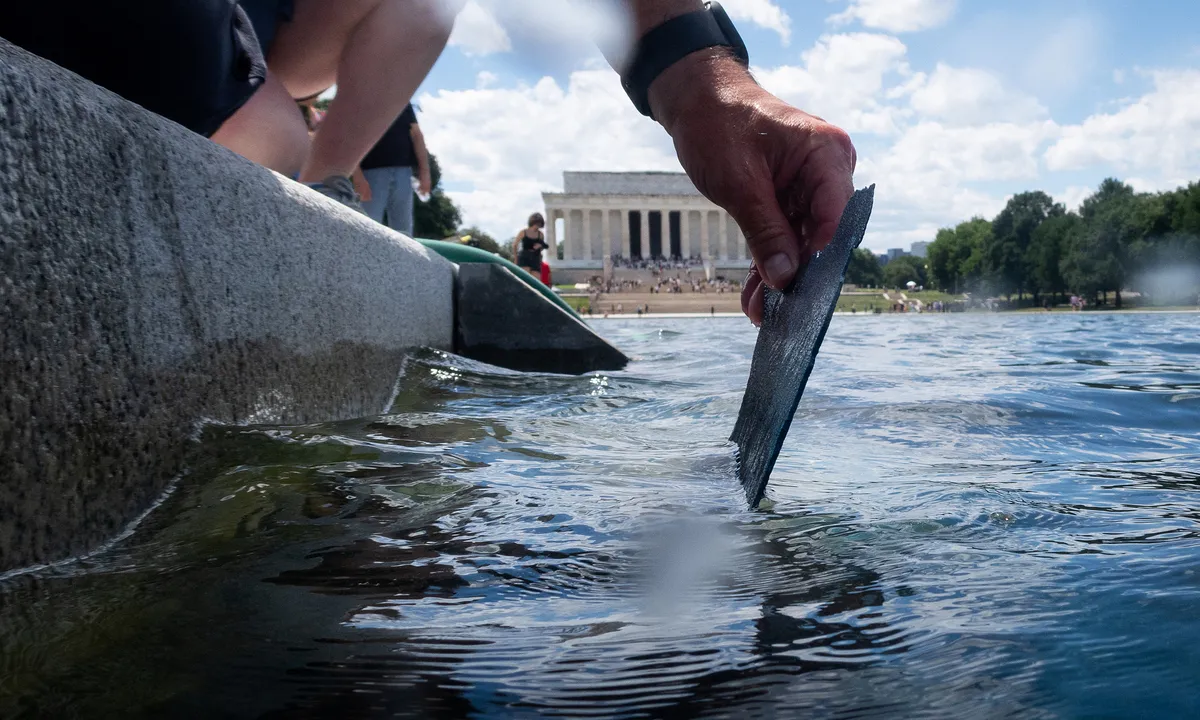 Hồ Phản chiếu tại Mỹ: Dự án cải tạo 14 triệu USD gặp vấn đề
Dự án cải tạo Hồ Phản chiếu tại Washington gặp vấn đề về sơn bong tróc và tảo xanh
-
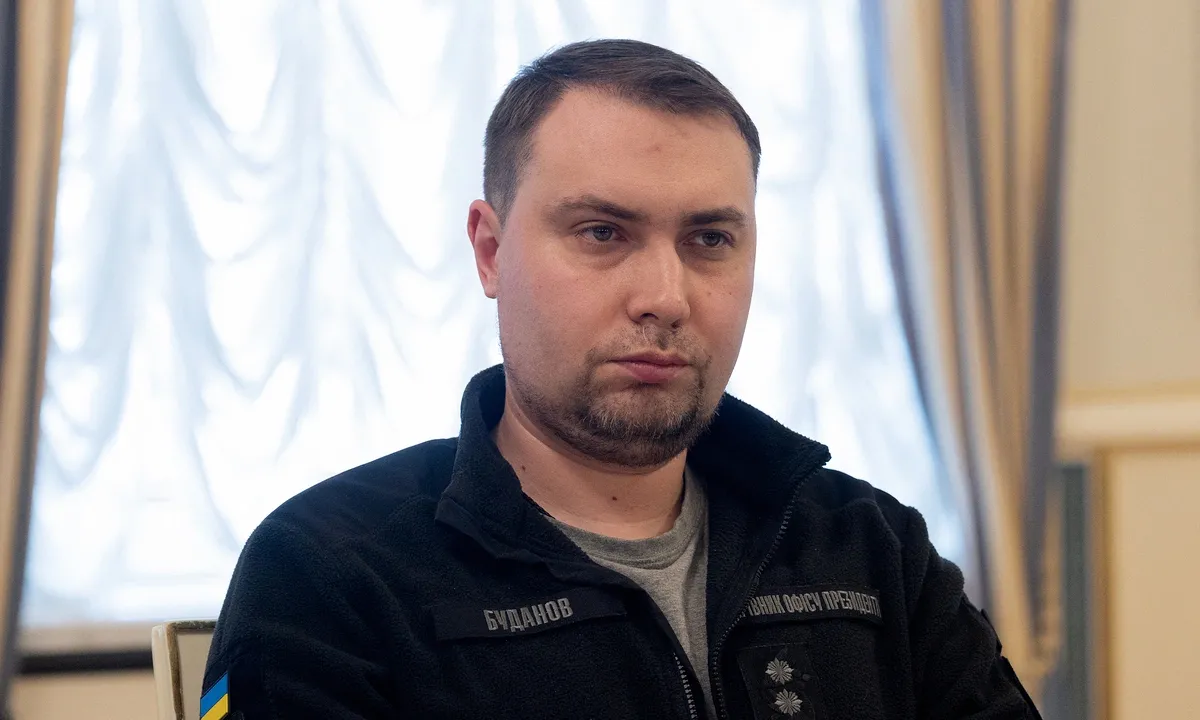 Căng thẳng Ukraine - Ba Lan: Huân chương bị thu hồi
Căng thẳng giữa Ukraine và Ba Lan gia tăng sau khi Tổng thống Zelensky đặt tên đơn vị quân đội là 'Những anh hùng UPA', dẫn đến việc thu hồi huân chương.


