- Carlos Giménez, a Republican congressman, opposes ending Temporary Protected Status (TPS) for Haitians.
- Giménez and other lawmakers argue that Haiti is not safe for deportations, citing the country’s violent gangs and chaotic conditions.
- Various state governors and representatives are joining the push to maintain TPS status for Haitian migrants.
Key Figure: Carlos Giménez
In a notable departure from federal policy, Republican congressman Carlos Giménez of Florida has voiced strong opposition to the Trump administration's decision to terminate Temporary Protected Status (TPS) for Haitian migrants. According to CBS News, Giménez emphasized that deporting these individuals back to Haiti would constitute a significant error due to the country’s failed state status and current dangerous conditions.
Background on TPS
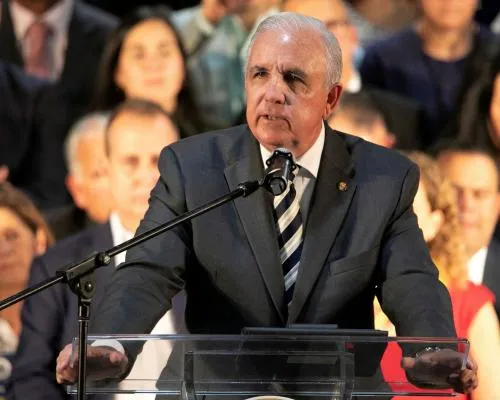
Giménez clarified that Temporary Protected Status is designed for those fleeing countries with failed states or those unable to handle their return, such as Haiti. The congressman highlighted the current situation in Haiti, noting its ongoing challenges including gang violence and political instability. His comments echo concerns raised by other lawmakers and state officials regarding the safety and welfare of Haitian immigrants within the United States.
State-Level Responses
Governor Mike DeWine of Ohio has also joined the chorus against ending TPS for Haitians, emphasizing their contributions to local economies. In a statement to CNN, DeWine underscored that these individuals are integral workers in various sectors including manufacturing and healthcare, adding that abruptly removing them would create significant economic disruptions.
Support from Other Lawmakers
Mike Lawler, a Republican congressman representing New York, further amplified the opposition. He cited the substantial presence of Haitian TPS holders in essential fields like healthcare, arguing that their immediate removal could lead to a crisis. Lawler’s stance is echoed by other South Florida lawmakers who supported a bill advocating for continued TPS designation until 2029.
Next Steps
The bill, HR 1689, has already passed the House with bipartisan support from local representatives and has been referred to the Senate. Despite the pushback, the future of TPS for Haitian migrants remains uncertain as it awaits further legislative action.
Source: The Guardian

World News Today
498 posts
-
 Report Reveals Widespread Issues in Police Leadership Across England and Wales
A government-backed report finds significant issues with police leadership across England and Wales, including widespread nepotism and bias, leading to inconsistent service quality.
-
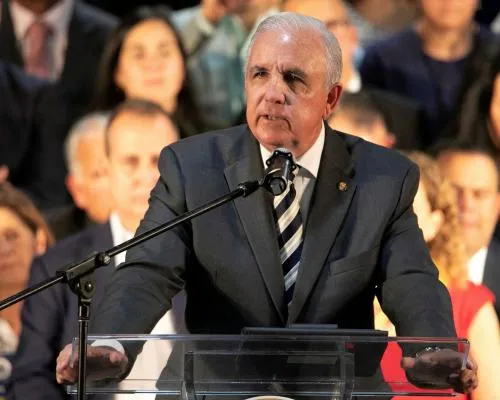 Florida Congressman Argues Against Deporting Haitians with TPS
Florida Congressman Carlos Giménez and other Republican leaders are opposing the Trump administration’s plan to end temporary protected status for Haitian migrants.
-
 Call to Raise Awareness on Children's Citizenship Rights
A letter from Solange Valdez-Symonds calls for increased public awareness on the importance of registering children's British citizenship.
-
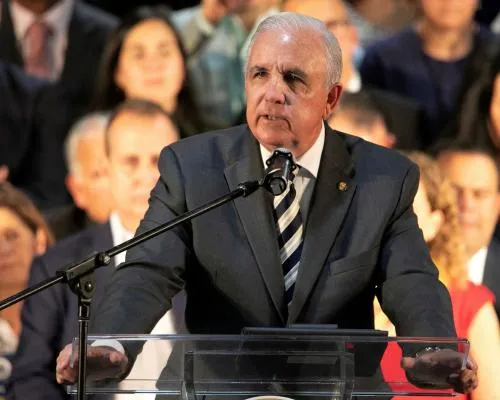 Florida Congressman Stands Against Deportation of Haitians with TPS
Florida Republican Congressman Carlos Giménez joins other politicians in opposing the deportation of Haitian migrants under TPS, citing safety concerns and economic contributions.
-
 Michigan’s Democrats Face Progressive vs Establishment Tussle for US Senate Seat
Michigan’s Democratic primary leaves a progressive vs centrist battle for the US Senate seat. Candidates Abdul El-Sayed and Haley Stevens represent different wings of the party.
-
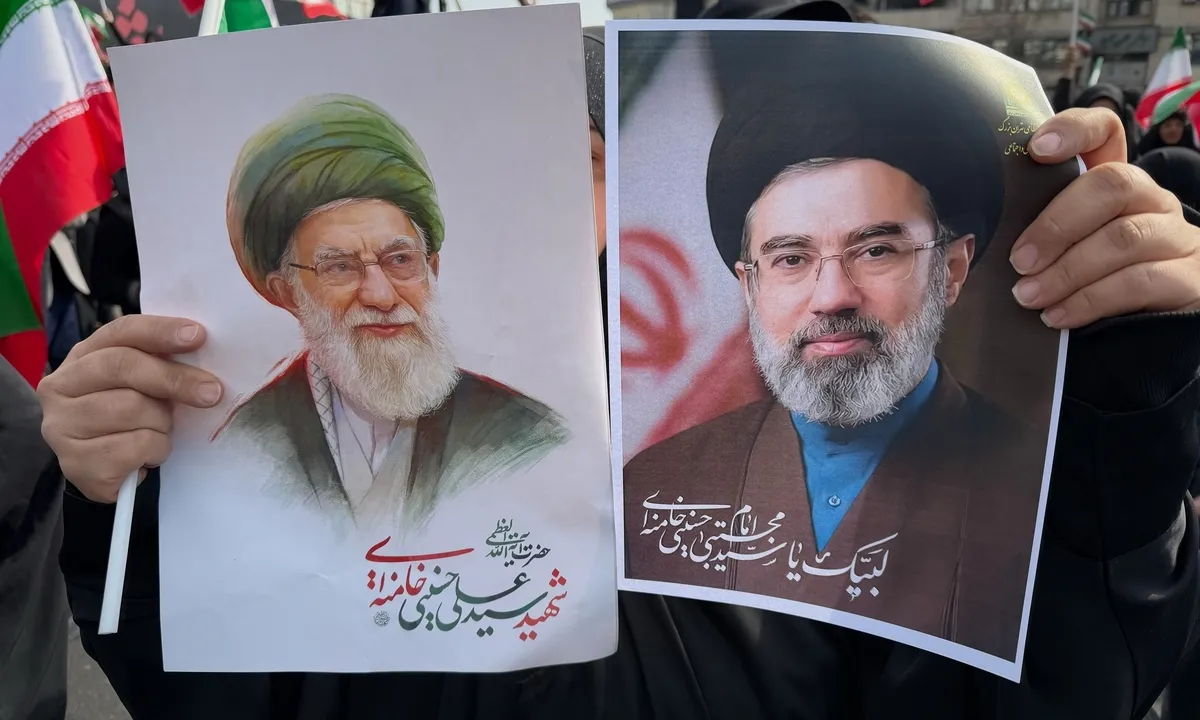 Lãnh tụ Tối cao Iran vắng mặt tại tang lễ cha do thương tích
Lãnh tụ Tối cao Iran không tham gia tang lễ cha mình trong khi Iran tổ chức tang lễ quy mô lớn cho cố lãnh tụ. Các con trai của cố lãnh tụ cầu nguyện bên quan tài.
-
 Global Urgency: Protecting Palestinian Children from Violence
Palestinian children face significant risks due to escalating violence in the West Bank, with at least one child dying each week since January 2025. Unicef UK calls for urgent action from both local authorities and international bodies.
-
 Urgent Need to Protect Palestinian Children Amid Escalating Violence
The chief executive of Unicef UK highlights the escalating violence against Palestinian children in the West Bank, calling for global action.
-
 Escalating Violence in West Bank Sparks Global Concern
Unicef UK chief executive reports on the rising fear and violence faced by Palestinian children in the West Bank, highlighting at least one child killed weekly since January 2025.
-
 Global Concern Over Escalating Violence Against Palestinian Children in West Bank
Palestinian children face increasing violence in the West Bank, with at least one child killed weekly since January 2025.


