- 'Nepotism and bias' identified as major issues in police leadership.
- Policing not consistently effective, leading to 'postcode lottery' in public service quality.
- Recommendations include a new national academy for police leadership training.
Key Findings Highlight Leadership Failures
A government-backed report has shed light on significant issues plaguing police leadership across England and Wales. The inquiry, co-chaired by former home secretary David Blunkett, uncovered widespread instances of 'nepotism and bias' among top officers. According to the report, these practices have led to a failure in consistently delivering quality policing services.
Public Perception and Leadership Shortcomings
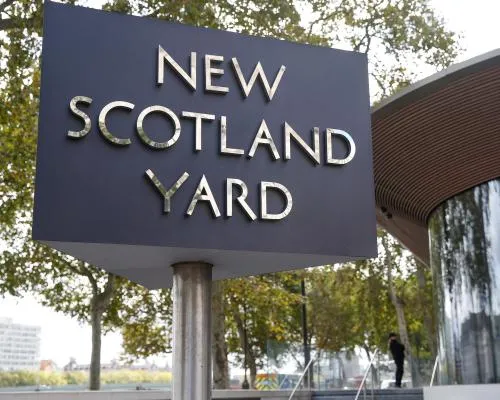
The report reveals that just 13% of constables and 17% of sergeants believe their organizations are well-led. This reflects a broader concern about the current state of leadership within the police service, which has been described as not meeting public expectations. Former chief constable Nick Adderley's case is cited as an example, where he faced multiple investigations due to allegations of misconduct and lying on his CV.
Call for Systemic Reform
The inquiry recommends several measures to address these issues, including the establishment of a national academy for police leadership. The report suggests that the current spending of around £4 million on leadership training is insufficient given the annual policing budget of about £19 billion. Additionally, the document calls for more transparency in promotion processes and enhanced accountability mechanisms.
Expert Opinions on Needed Change
Nick Herbert, chair of the College of Policing and co-chair of the inquiry, emphasized that while some forces excel, others have lost focus on their primary mission: reducing crime. He stated, 'Some forces are very good but some have lost focus on cutting crime,' highlighting the need for a broader overhaul to ensure consistent performance across the board.
Final Thoughts
The report underscores the urgent necessity for reform in police leadership. With recommendations in place, it is now up to policymakers and law enforcement bodies to implement these changes effectively. Failure to do so may result in continued public distrust and a decline in overall policing effectiveness. The next steps will involve assessing how well the proposed reforms are integrated into everyday operations.
Source: The Guardian

Uk News Feed
287 posts
-
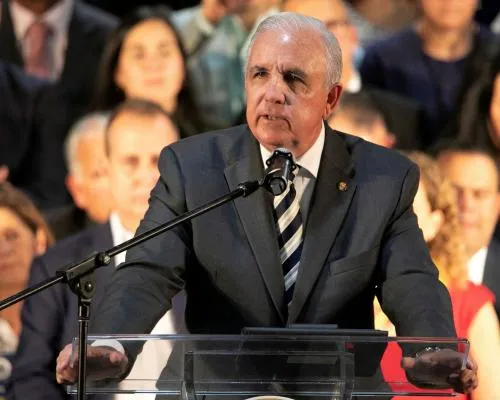 Florida Representative Criticizes Plan to End TPS for Haitian Migrants
Florida Representative Carlos Giménez joins other state officials in opposing the termination of Temporary Protected Status (TPS) for Haitian immigrants.
-
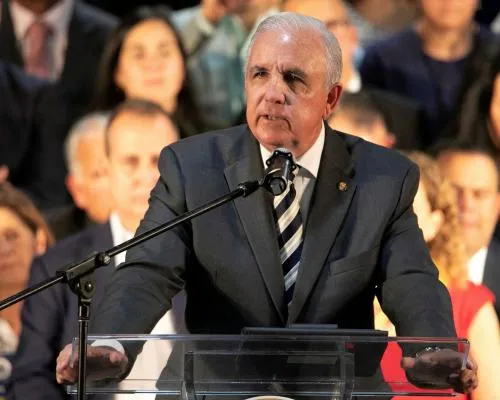 Florida Congressman Argues Against Deporting Haitians with TPS
Florida Congressman Carlos Giménez and other Republican leaders are opposing the Trump administration’s plan to end temporary protected status for Haitian migrants.
-
 Call to Raise Awareness on Children's Citizenship Rights
A letter from Solange Valdez-Symonds calls for increased public awareness on the importance of registering children's British citizenship.
-
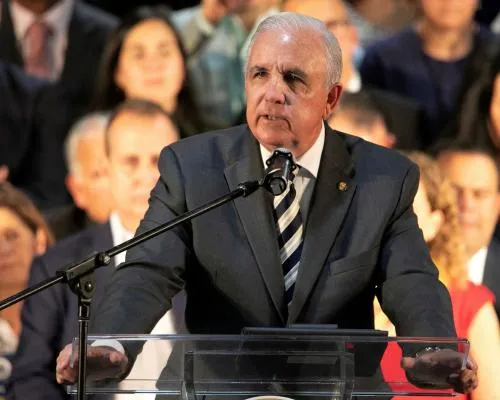 Florida Congressman Stands Against Deportation of Haitians with TPS
Florida Republican Congressman Carlos Giménez joins other politicians in opposing the deportation of Haitian migrants under TPS, citing safety concerns and economic contributions.
-
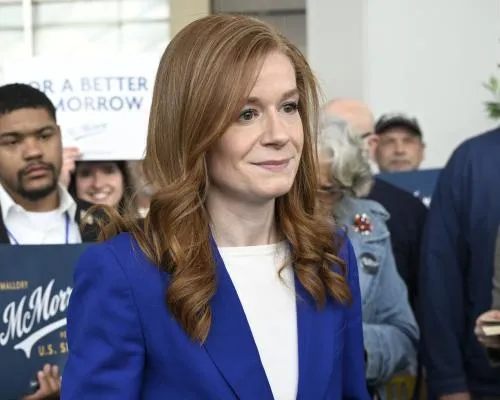 Michigan’s Democrats Face Progressive vs Establishment Tussle for US Senate Seat
Michigan’s Democratic primary leaves a progressive vs centrist battle for the US Senate seat. Candidates Abdul El-Sayed and Haley Stevens represent different wings of the party.
-
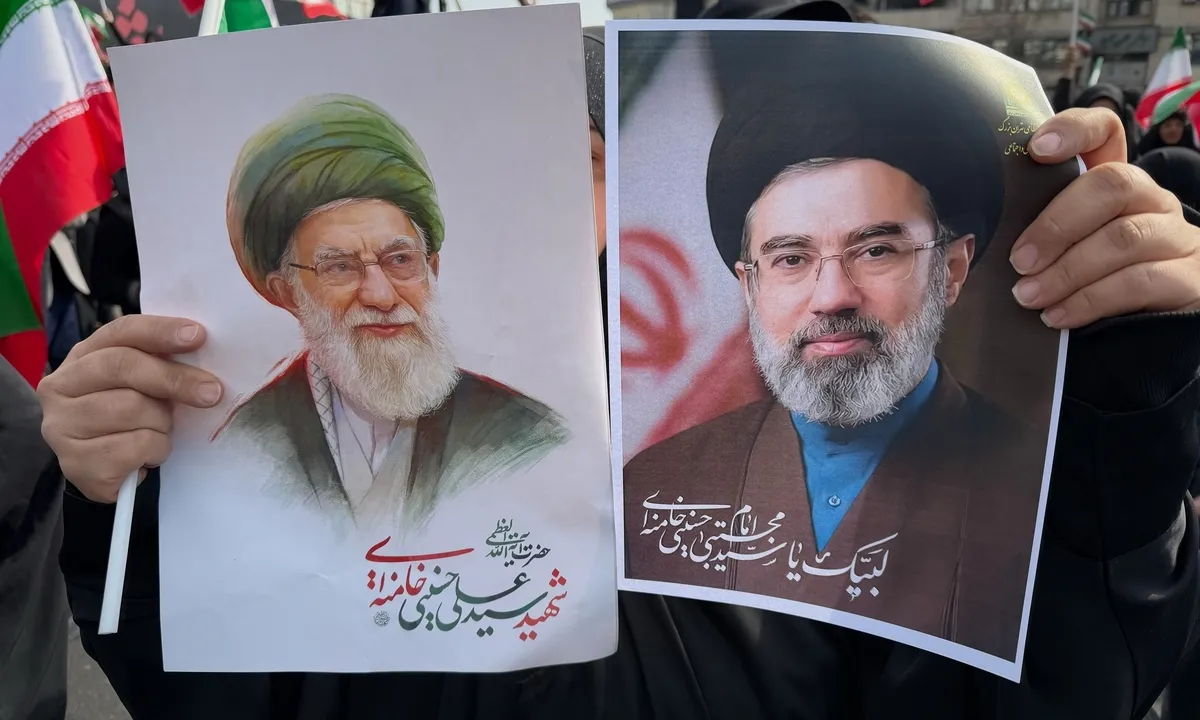 Lãnh tụ Tối cao Iran vắng mặt tại tang lễ cha do thương tích
Lãnh tụ Tối cao Iran không tham gia tang lễ cha mình trong khi Iran tổ chức tang lễ quy mô lớn cho cố lãnh tụ. Các con trai của cố lãnh tụ cầu nguyện bên quan tài.
-
 Global Urgency: Protecting Palestinian Children from Violence
Palestinian children face significant risks due to escalating violence in the West Bank, with at least one child dying each week since January 2025. Unicef UK calls for urgent action from both local authorities and international bodies.
-
 Urgent Need to Protect Palestinian Children Amid Escalating Violence
The chief executive of Unicef UK highlights the escalating violence against Palestinian children in the West Bank, calling for global action.
-
 Escalating Violence in West Bank Sparks Global Concern
Unicef UK chief executive reports on the rising fear and violence faced by Palestinian children in the West Bank, highlighting at least one child killed weekly since January 2025.
-
 Global Concern Over Escalating Violence Against Palestinian Children in West Bank
Palestinian children face increasing violence in the West Bank, with at least one child killed weekly since January 2025.


