- Semiconductor giants SK Hynix and Samsung Electronics see significant declines.
- Investors express concerns over Chinese competition and AI spending.
- Market correction observed in US tech stocks, with Apple being a notable outlier.
Key Drops in South Korean Tech Index
The sell-off in AI stocks has intensified, driving South Korea's stock market down to its lowest level in three months. Investors continued to ditch chip stocks on Tuesday, amid rising concerns about the huge amount of borrowing among AI companies to fund their datacentre expansion plans. The South Korean semiconductor companies SK Hynix and Samsung Electronics fell by more than 10%, dragging the country’s Kospi share index down by 11.5% to its lowest point since mid-April.
US chip stocks also extended their recent losses when Wall Street opened on Tuesday, with Intel, Advanced Micro Devices (AMD), Sandisk, Western Digital Corp, and Seagate Technology all down by more than 4%. The Nasdaq 100 index of leading tech stocks fell by as much as 1.8% at one point, meaning since its early June record high it had fallen more than 10% – the technical definition of a market correction.

However, Apple bucked the trend, becoming only the second ever company to pass the $5tn valuation mark as investors losing confidence in AI stocks sought a safe haven. Analysts attributed the tech sell-off to renewed worries over AI investment spending and competition from cheaper Chinese companies, after a report by The Information that China had begun mass production of homegrown deep ultraviolet (DUV) chip-making tools.
According to Jing Jie Yu, an equity analyst at Morningstar, 'We believe the market was likely spooked by the progress of China’s chip-making equipment capabilities, and was worried that this progress would threaten the competitive position of global chip making and chip equipment leaders.' However, Yu added that the sell-off was 'largely a knee-jerk reaction and overdone.'
On Monday, shares in the Chinese memory chip maker CXMT rose by 466% when it floated on the Shanghai stock exchange, underlining China’s drive to create its own AI supply chain. This further fueled investor anxiety about potential competition from cheaper domestic sources.
AI Investment Dynamics and Market Reactions
In a noteworthy development, investors may also be growing jittery about the “circular funding” at the heart of the AI industry, through which artificial intelligence firms finance one another. On Monday, the Wall Street Journal reported that Nvidia was in discussions with OpenAI about providing $250bn (£188bn) for a massive datacentre project in Ohio.
This news reportedly led to a 5% drop in Nvidia's share price and an increase in the cost of insuring its debt against default, indicating heightened investor caution. Backing from Nvidia, which has an investment grade credit rating, could make it less expensive to raise funding for the project. News of the talks knocked Nvidia’s shares on Monday; they closed 5% lower, while the cost of insuring the chip company's debt against default using a credit default swap (CDS) rose.
Ipek Ozkardeskaya, a senior analyst at Swissquote, commented, 'The market reaction to the Nvidia news was swift. Nvidia fell 5% and closed the session below the $200-per-share mark. More importantly, Nvidia’s five-year CDS spiked, suggesting that it may not yet be the right time to buy the dip.'
Despite these challenges, analysts suggest that while concerns are valid, they might be overblown and could be temporary.
Source: The Guardian

Business Daily
327 posts
-
 Second Vacation Home Mortgage Windsor: Financing Your Home Away from Home
Owning a vacation property is a dream shared by many families. It offers a peaceful escape from daily life while creating opportunities for unforgettable vacations and long-term investment.
-
 UK Government Investments Faces Criticism After Sensitive Data Exposed
UK Government Investments experiences a data breach exposing sensitive information, leading to internal reviews and enhanced security measures.
-
 US Small Businesses Adjust to Less Impactful Tariffs
US small businesses are adapting to lower-impact tariffs announced by the Trump administration, finding them less disruptive compared to previous rounds.
-
 US Small Businesses See New Tariffs as Less of a Threat Than Before
Despite renewed tariff announcements from the Trump administration, US small businesses are adapting and viewing them as less impactful compared to previous rounds.
-
 US Small Businesses Remain Calm Amid New Tariff Rounds
US small businesses are showing resilience against new tariff rounds that have lower rates compared to previous announcements.
-
 Experts Warn of Potential Price Hikes for Infant Formula Due to Proteinmaxxing Trend
The rising demand for whey protein due to 'proteinmaxxing' trends and weight-loss medications is likely to increase costs for infant formula, potentially impacting affordability. Experts urge government intervention.
-
 Ben & Jerry’s Founder Launches Campaign to Reclaim Brand Independence
Ben Cohen is leading an effort to free his ice-cream company from Unilever’s control amid concerns over activism silencing and brand values.
-
 HSBC Withdraws from Australian Retail Banking: Sale to Blackstone Announced
HSBC is exiting Australian retail banking by closing all 19 branches over 18 months after selling its mortgage portfolio to Blackstone.
-
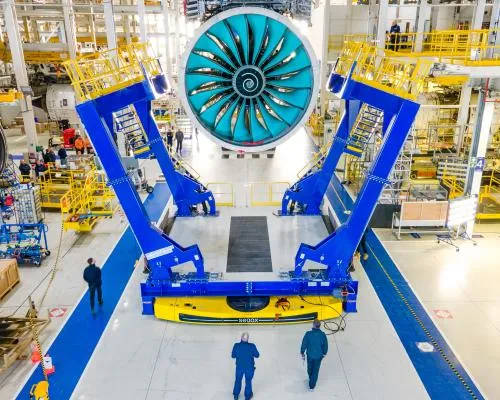 UK Defence Firms See Surge in Profits Amid Rising Global Military Spending
UK defence companies Rolls-Royce and BAE Systems have reported significant profit increases as global military spending rises. Both firms cited commitments from governments to boost their investments in defence systems.
-
 Financial Markets React to Global Economic Pressures
Global financial markets react to AI chip stock declines, BMW job cuts in Europe, UK worklessness trends, and surging oil prices due to geopolitical tensions.
-
 Inflation figures ease pressure on Reserve Bank, but rate rise likely later
Recent inflation figures have lowered expectations for an immediate interest rate hike by the Reserve Bank of Australia, though a rise is still anticipated later this year.


