Four Steps You Can Take to Protect Yourself and Others from Europe’s Heatwave

- Cut carbon pollution by avoiding flights, reducing meat consumption, and using electric vehicles.
- Cool your home with natural solutions like external shading or hanging curtains.
- Adapt your daily habits: drink water, wear loose clothing, and avoid the sun during peak heat hours.
- Check in on vulnerable neighbors to ensure they are safe during hot weather.
Cutting Carbon Pollution
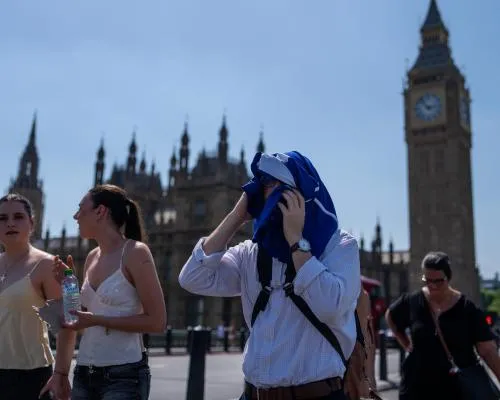
The June heatwave that swept across Europe was made possible by climate change, with scientists attributing more than half of heat-related deaths in cities to burning fossil fuels. As individuals, we can contribute by making lifestyle changes such as avoiding flights, reducing meat consumption, and opting for electric vehicles or public transportation over combustion-engine cars. Simple actions like buying fewer goods also help reduce the overall carbon footprint.
Adapting Your Home
The urban heat island effect exacerbates temperatures in cities due to a lack of green spaces and reliance on tarmac for roads. While air-conditioning can provide quick relief, it can strain energy grids and contribute further to the problem. Instead, consider shading solutions like external shutters or awnings. Even renters can benefit from simple measures such as hanging curtains or sheets outside windows to create temperature differentials.
Adjusting Your Daily Habits
Simple changes in daily routines can significantly help during heatwaves. Staying hydrated, drawing curtains to block out the sun, and wearing loose, light clothing are essential. Avikal Somvanshi from the University of Darmstadt highlighted a cultural difference between northern Europe and other regions where people seek shade when it’s hot.
Checking on Vulnerable Neighbors
To protect the most vulnerable members of society, trade unions are advocating for work stoppages and public buildings being converted into cooling centers. Additionally, individuals can reach out to neighbors who may be at risk, offering help such as fetching groceries or simply ensuring they have enough water.
Source: The Guardian
Green News
270 posts
-
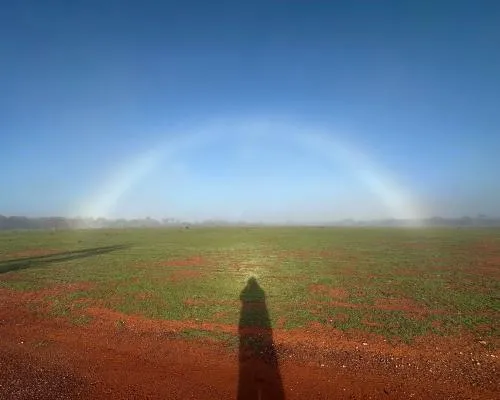 Rare Fogbows: A Meteorological Rarity in Australia
Fogbows are rare optical illusions seen in Australia during specific weather conditions. Learn about their formation and the factors required for them to appear.
-
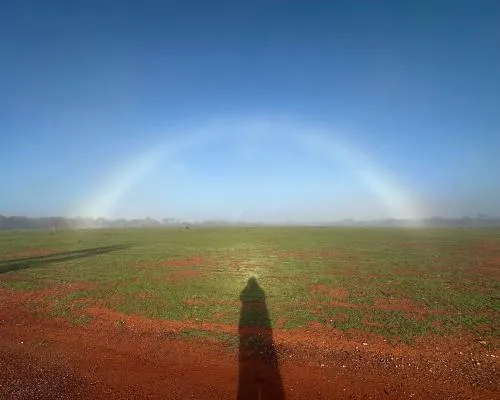 Mysterious Fogbows Emerge in Australia: A Rare Optical Illusion
Fogbows, rare atmospheric phenomena similar to rainbows but appearing in foggy conditions, have been observed in Australia. These fleeting illusions require precise alignment of sun and dense yet not too thick fog for visibility.
-
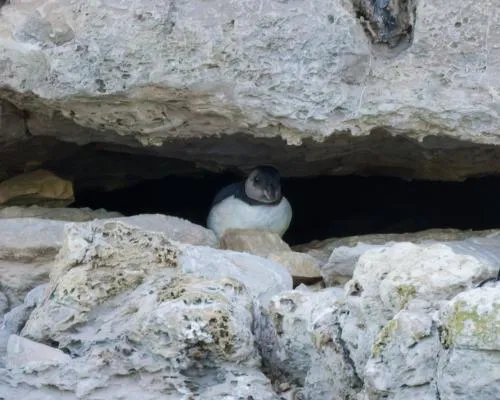 Rare Puffling Sighted After Three Decades on Dorset Coast
A rare puffling has been spotted on Dorset's coast after three decades, renewing hopes for the local puffin population.
-
 Water Leaks Outstrip Hosepipe Ban Savings in England and Wales
A new study reveals that water companies in England and Wales are losing five times more water through leaks than they could save with a hosepipe ban. Environmental campaigners warn of increasing droughts due to climate change.
-
 U.S. Voters Link Extreme Weather to Climate Crisis, Despite Trump’s Denials
A new survey reveals that the majority of American voters link extreme weather events, including heatwaves and floods, to the climate crisis. Despite Republican skepticism, the findings indicate growing public concern that surpasses political polarization on this issue.
-
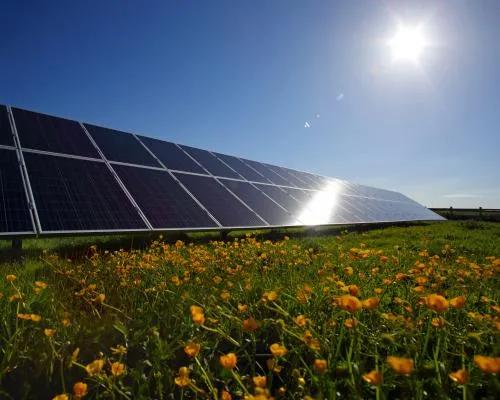 Carbon Capture as a Shield for Fossil Fuel Expansion Contested
An analysis of the arguments against using carbon capture as a shield for fossil fuel expansion, highlighting methane emissions and the superiority of renewable energy sources.
-
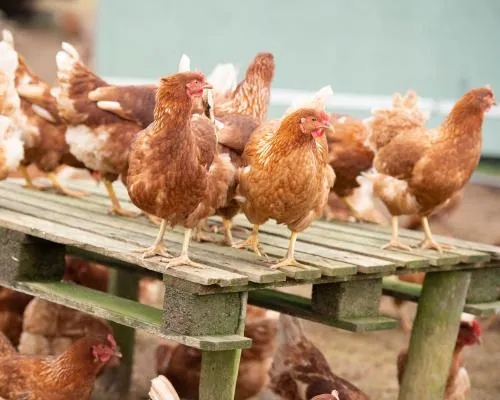 UK Poultry Expansion Plan Met with Environmental and Food Security Concerns
Campaigners argue that the UK's proposed poultry growth plan could undermine national security due to its resource-intensive nature and reliance on imported feed.
-
 Critics Argue Carbon Capture Is a Deceptive Tool for Fossil Fuel Expansion
A letter in The Guardian discusses the high costs and limited effectiveness of carbon capture technologies compared to renewable energy sources, while critics argue these measures may merely serve as a cover for expanding fossil fuel industries.
-
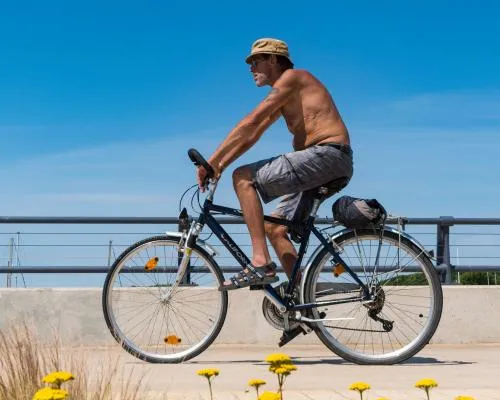 Topless Trends: The Scottish Custom of Taps Aff
Letters from readers discuss traditional Scottish practices like 'taps aff' and related debates on attire, prison conditions, and educational methods.
-
 Rare Sight: Red-Necked Phalarope Returns to Irish Marsh
A rare sighting of the red-necked phalarope, last seen breeding in Annagh Marsh for over 30 years, adds wonder and significance to a magical Irish coastal habitat.
-
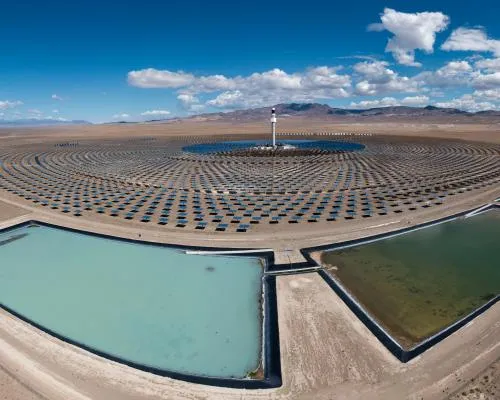 Innovative Energy Storage Solutions Revolutionize Clean Power
New battery technologies like cryobatteries, molten salt storage, sand batteries, and sweat-powered wearables are transforming the way we store and use renewable energy.


