Lloyd's of London Czar John Neal Faced Conflict of Interest Allegations Over Close Relationship

- John Neal, former chief executive of Lloyd’s of London, failed to disclose a close relationship with his female colleague Rebekah Clement.
- The Council of Lloyd’s found the relationship could create a perceived conflict of interest but lacked evidence of romantic involvement or process failures.
- Investigation revealed that senior managers raised concerns about the relationship multiple times without significant change in Neal's conduct.
- Lloyd’s strengthened its internal processes following these serious governance and compliance issues.
Key Findings of the Investigation
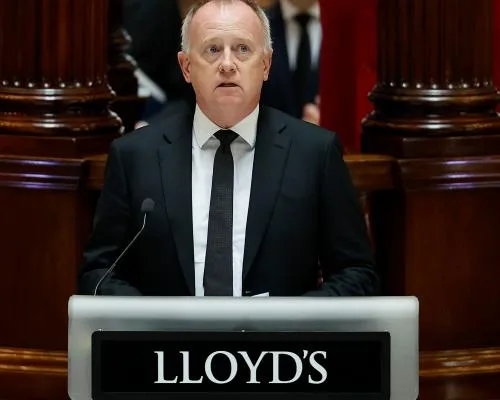
Lloyd's of London has ruled that its former CEO John Neal breached compliance rules by failing to disclose a close relationship with his female colleague. This investigation was launched in November following new information brought to the attention of Lloyd's chair Sir Charles Roxburgh, who also became aware of whistleblower reports dating back to at least 2023.
The Council of Lloyd’s investigated whether Neal had any romantic involvement with Clement, but found no conclusive evidence. The investigation highlighted that the relationship between the two was close enough to raise conflict of interest concerns, despite there being no concrete proof of romance. Senior managers raised their concerns with Neal multiple times regarding this matter.
Investigation Details and Timeline
The Council of Lloyd’s launched an in-depth investigation after its chair, Sir Charles Roxburgh, became aware of fresh information regarding the relationship between John Neal and a female colleague. The allegations surfaced following a series of whistleblower reports dating back to 2023, which were not immediately escalated despite being known by senior managers.
The launch of this investigation was delayed until November due to these late reports. Lloyd’s deemed the failure to escalate the whistleblower reports a breach of its own governance rules and promptly reported it to the Financial Conduct Authority (FCA).
During the investigation, senior managers at Lloyd’s repeatedly raised concerns with Neal about his relationship but did not observe any significant changes in his conduct after he acknowledged their concerns. The council noted that both individuals declined to provide information or answer questions related to their relationship, which further complicated the inquiry process.
The investigation involved interviewing 40 witnesses, many of whom came forward late in the process. Notably, Neal also refused a request to provide access to his mobile phone, making it difficult for investigators to gather evidence early on.
Impact and Remediation
The Council of Lloyd’s found that the secrecy surrounding the relationship constituted a breach of Lloyd's global compliance policy. This policy requires transparency in disclosing any real or potential conflicts of interest. Despite Neal's resignation last year, where he forfeited unvested pay, Lloyd’s stated it would have canceled pending payouts as a penalty had he not already done so.
According to Sir Charles Roxburgh, these findings underscore the importance of robust governance structures and processes within the organization. While Lloyd’s acknowledged that some standards were not best-in-class, the council emphasized that culture and personal accountability are equally crucial in maintaining ethical conduct. Roxburgh stressed, “These were serious failures that should never have been allowed to happen.”
Conclusion
The situation at Lloyd’s of London highlights the critical importance of transparency and compliance in corporate governance. While remedial measures have been put in place, the case serves as a reminder that strict adherence to company policies is non-negotiable for all levels of management. The Council of Lloyd’s continues to emphasize the need for robust governance structures, coupled with a strong organizational culture and personal accountability.
Source: The Guardian
Business Daily
298 posts
-
 PNJ giãn tiến độ thanh toán với khách bán vàng, bạc: 5 điểm chính
PNJ thay đổi phương thức thanh toán khi thu lại sản phẩm từ khách hàng, kéo dài đến 120 ngày. Khách có thể chọn đổi sang sản phẩm khác để nhận chiết khấu.
-
 Oil Price Surge and Economic Update: Tensions Escalate Amid US-Iran Conflict
Oil prices hit $95 per barrel amid escalating US-Iran conflict and potential rise of core inflation in the UK. Analysts predict oil could reach over $120 by year-end.
-
 Thames Water Investors Prepare for Potential Nationalization Amid New PM’s Plans
Investors in Thames Water are preparing for potential legal battles as the company faces significant debt issues, while also seeking discussions with the incoming prime minister's government about enhanced public control.
-
 Tỷ giá trung tâm cao nhất 11 tháng, 'chợ đen' giảm do đầu cơ hạ nhiệt
Tỷ giá trung tâm neo cao nhất 11 tháng, song tỷ giá tự do giảm sâu. Phân tích từ chuyên gia cho thấy biến động này là kết quả giữa chiến lược điều hành chủ động và cung cầu thực tế của Ngân hàng Nhà nước.
-
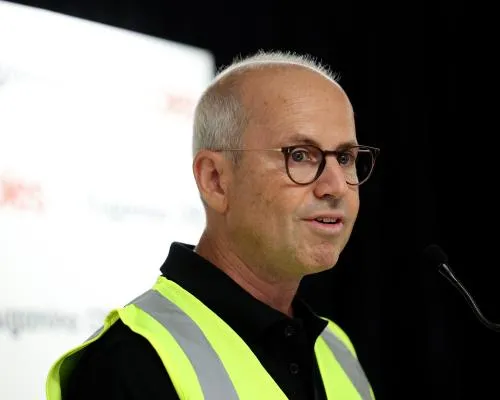 Ocado's Steiner Defends Future Role Amid Succession Speculation
Ocado's CEO Tim Steiner defends his future role amid succession speculation as the company faces reduced profits and boardroom tensions.
-
 Tài khoản 'ngủ đông' bị đóng: Nhiều ngân hàng lên tiếng
Tài khoản 'ngủ đông' bị đóng: Nhiều ngân hàng thông báo chính sách mới, áp dụng quy định từ Ngân hàng Nhà nước nhằm quản lý hiệu quả hơn.
-
 Tech Stocks Plunge Amid Global Economic Turmoil
Global tech stocks plunge amid market volatility driven by chip sell-offs, rising oil prices, and geopolitical tensions.
-
 British Steel Nationalized as Government Aims to Secure Domestic Supply
The UK government has nationalized British Steel, the last producer of primary steel from iron ore in the country, to protect jobs and secure domestic supply.
-
 South East Water Faces Uncertain Future Amid Financial Struggles
South East Water faces material uncertainty over its future amid severe financial struggles and service outages. The utility needs new loan facilities by July 2027 to continue operations, but funding discussions are not yet legally committed.
-
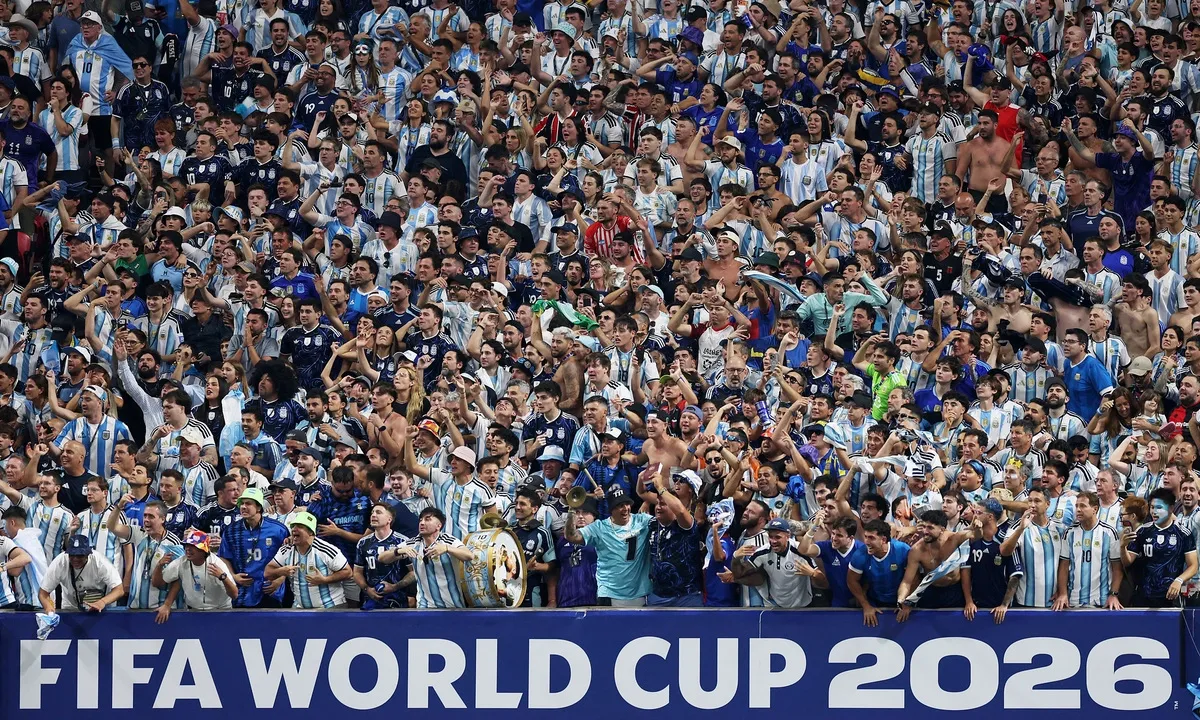 Mua vé World Cup thắng lớn của FIFA: Canh bạc cao ngất thất bại hay thành công?
FIFA đã đặt cược vào việc bán vé World Cup đắt đỏ và cuối cùng cũng thành công lớn, xóa tan lo ngại về ế ẩm dù tình hình bất ổn tại Mỹ. Canh bạc này đã chứng minh sự hiểu biết sâu sắc về thị trường của FIFA.


