- Asian stock markets have declined due to new US trade tariffs.
- Oil prices are up slightly but remain volatile amid geopolitical tensions in the Middle East.
- Bank of France governor highlights increased uncertainty and potential disruption for global trade growth.
- US President Donald Trump has imposed tariffs on numerous countries, replacing an earlier 10% tariff.
Market Reaction to US Tariffs
The financial markets have seen significant fluctuations over the past few days, with Asian stocks taking a hit following the announcement of new trade tariffs by US President Donald Trump. The Nikkei 225 in Japan, the Hang Seng index in Hong Kong, and the South Korean Kospi all experienced notable drops, reflecting investors' concerns about the impact on global trade.
Rising Oil Prices and Geopolitical Tensions

Amid these economic uncertainties, oil prices have also risen. Brent crude is currently trading at $99.8 per barrel, a 0.9% drop from earlier in the day but still up by over 10% for the week due to fears surrounding potential disruptions in Middle Eastern oil supplies. The conflict in Yemen and its impact on Saudi exports through the Bab al-Mandeb strait have added to these concerns.
Global Economic Uncertainty
The Bank of France’s governor, Emmanuel Moulin, expressed that while the new US tariffs might not significantly affect Europe due to existing agreements like the Turnberry deal with the EU, they do introduce more uncertainty for world trade and growth. Moulin stated in an interview: 'It creates more uncertainty for world trade and clearly it's not favorable for growth.' This sentiment reflects a broader concern among financial analysts about the potential long-term impact of such policies.
Details of US Tariffs
The new tariffs, ranging from 10% to 12.5%, affect multiple countries, including the United Kingdom, Mexico, Canada, Australia, India, China, and the EU’s 27 nations. These measures are intended to address issues of forced labor and unfair trading practices under Section 301 of the Trade Act of 1974. US trade representative Jamieson Greer emphasized the importance of these actions: 'The United States has had a forced labour import ban for nearly a century, and rigorously enforces it; it's well past time for our trading partners to do the same.'
Source: The Guardian

Business Daily
302 posts
-
 Top Benefits of Hiring a Real Estate Buyers Advocate Gold Coast in 2026
Purchasing property on the Gold Coast in 2026 requires more than enthusiasm—it demands local knowledge, market expertise, and strategic negotiation. With strong buyer demand and a competitive property landscape, having a Real Estate Buyers Advocate Gold Coast on your side can make a sign
-
 Clifford Beaver: A Complete Guide to Understanding the Name, History, and Public Interest
Discover the history, meaning, origins, and public interest surrounding Clifford Beaver. Learn why the name attracts attention and how to research reliable information.
-
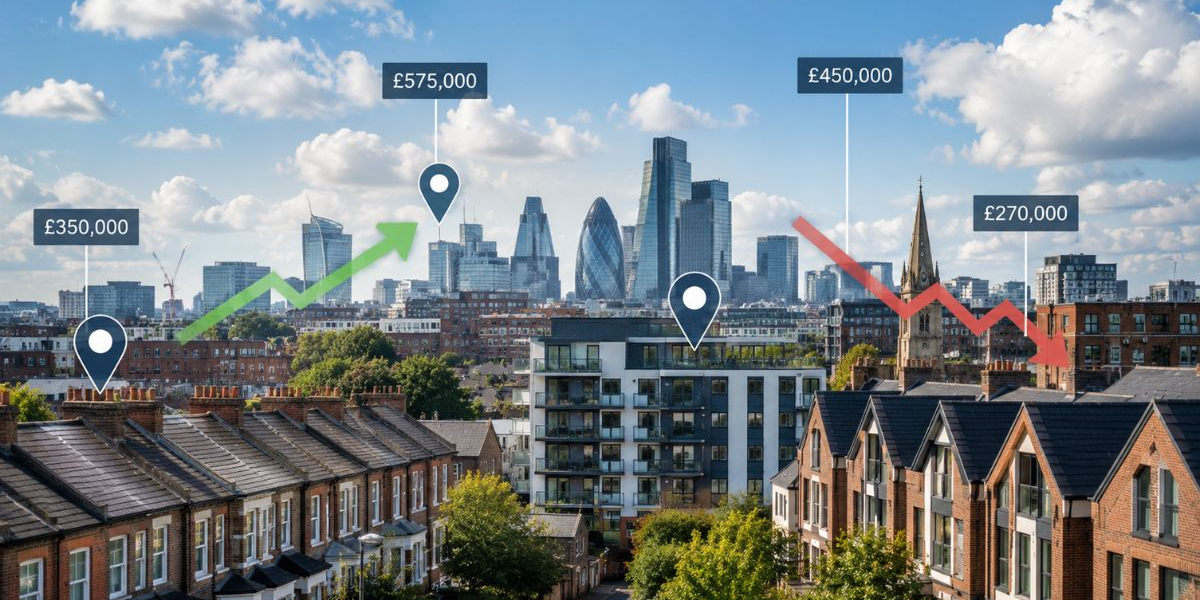 How the UK Property Market Works: A Complete Guide for Buyers and Investors
Learn how the UK property market works in 2026. Explore buying steps, pricing factors, rental trends, and investment insights for buyers and investors.
-
 Essential Exterior Home Improvements for Protection and Efficiency
Enhance your home with Roof Installation Services Janesville, Window Replacement Services Beloit, and Gutter Installation Services Janesville for protection, efficiency, and curb appeal.
-
 High-Impact Printing Solutions for Local Business Marketing
Boost business visibility with Brochure Printing Service Overland Park, Custom Vinyl Banners Overland Park, and Flyers Printing Service Overland Park for effective, high-quality printed marketing materials.
-
 Professional Signage and Printing Solutions for Business Visibility
Boost visibility with Large Poster Printing Arlington, outdoor signs arlington, and Signs Arlington—high-impact signage solutions for branding and engagement.
-
 UK Publishing House: Guiding Authors from Manuscript to Global Success
UK Publishing House helps authors turn their manuscripts into professionally published books with expert guidance, creative design, and global distribution. From personalised publishing consultations to high-quality book design services, they support writers at every stage, ensuring each s
-
 How to Choose the Best Materials for Handmade Soap Packaging
Moreover, well-designed packaging can help convey the quality and uniqueness of your handmade soap, setting it apart from mass-produced alternatives.
-
 Commercial Document Attestation UAE | Trusted Services
Get reliable Commercial document attestation in UAE with Benchmark Attestation Services. Fast, secure, and professional attestation for all business documents.
-
 Premium Remodeling Service in Destin and Remodeling Service in Niceville
Our remodeling service in Destin serves all Destin neighborhoods including Holiday Isle, Crystal Beach, and Destiny East.
-
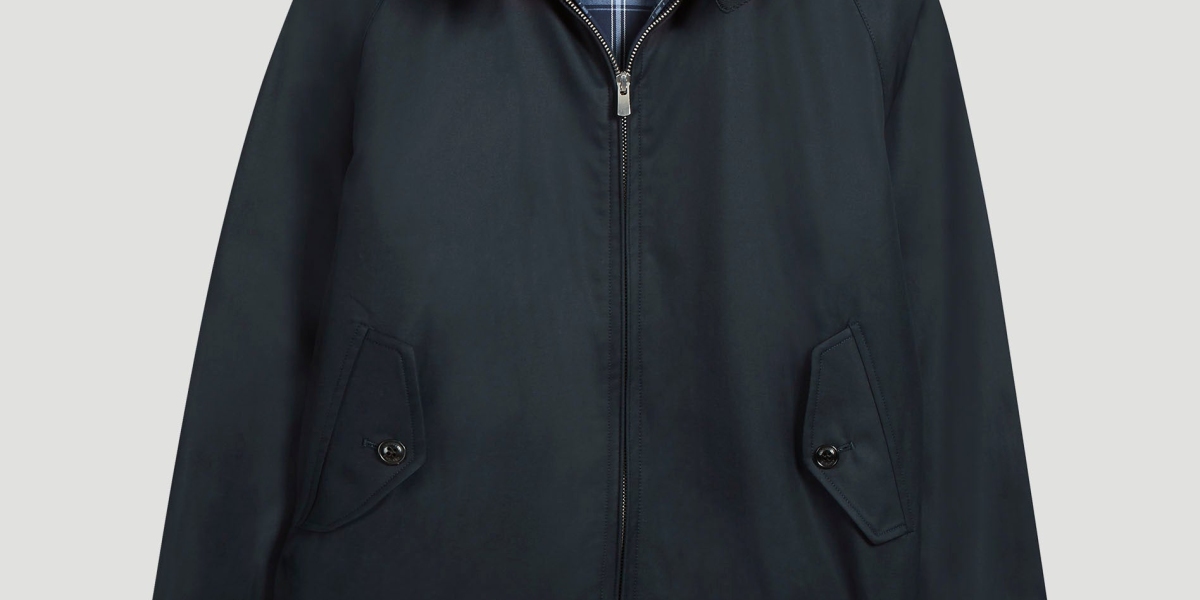 Timeless Elegance with the Black Trench Coat from Grenfell
When it comes to classic outerwear that combines sophistication, comfort, and durability, nothing matches the timeless trench coat. At Grenfell, we take pride in crafting coats that stand the test of time, blending British heritage with modern design. Whether you’re heading to work, a we


