- Judge Robert S Ballou ruled that FDA restrictions on mifepristone are arbitrary and capricious.
- The decision orders the Trump administration to reconsider its stance, potentially lifting existing barriers.
- Abortion providers in Virginia, Kansas, and Montana are challenging the regulations set by the FDA.
- Despite the ruling, several states continue to challenge the safety of mifepristone and seek further restrictions.
Legal Ruling on Mifepristone
A federal judge has upheld the safety of mifepristone, a key medication used in abortion procedures. In his decision, an unnamed US district judge ordered the Trump administration to reconsider its current stance, potentially leading to a review that could remove existing barriers to accessing mifepristone.
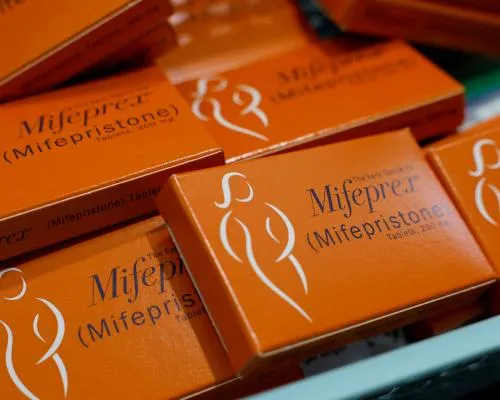
This ruling comes as various states across the country are implementing or considering new laws to restrict access to abortion services. The case was filed by the Center for Reproductive Rights on behalf of abortion providers in Virginia, Kansas, and Montana. The plaintiffs argue that three medically unnecessary restrictions should be removed, including a requirement for providers and pharmacies to have special registration and certification.
Despite the judge's decision, several states are challenging the safety of mifepristone in their courts. Louisiana is seeking to reinstate previous restrictions that would limit how the drug can be dispensed and prescribed.
The court’s findings are consistent with decades of scientific and clinical studies in this country and internationally, said Joanne Rosen, director of Center for Law and the Public's Health at the Johns Hopkins Bloomberg School of Public Health. However, she added that this decision will not settle the debate over the safety of mifepristone and the conditions under which it should be available, and will likely be far from the last word.
Michele Goodwin, a professor at UC San Diego School of Law, highlighted the impact these regulations have had on patient access. 'The red tape created by these restrictions has significantly impeded our clinic's ability to provide care,' said Amy Hagstrom Miller, president and CEO of Whole Woman’s Health Alliance.
The “red tape” kept her clinic from seeing patients – the number of whom has increased as patients have been forced to leave their homes in states with bans to seek care elsewhere, she said. 'In Kansas, we’ve become a vital access point for people forced to travel long distances for abortion care,'said Kathryn Boyd, president and CEO of Trust Women.
Abortion pills now account for nearly two-thirds of all abortions in the US, and a quarter-century of studies have indicated the safety and effectiveness of mifepristone.
Source: The Guardian

World News Today
555 posts
-
 Cafe owners voice frustration over exclusion from business rates cut
Independent cafes in England express frustration over being excluded from a business rates cut aimed at supporting high street sectors like pubs and social clubs.
-
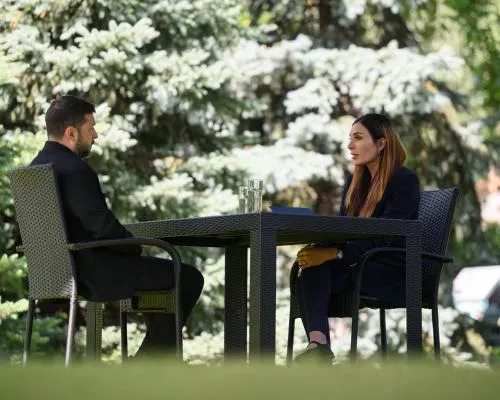 Rightwing Influencer Laura Loomer Shifts Stance on Ukraine
Right-wing commentator Laura Loomer, known for her influential social media presence, has shifted her stance on Ukraine after visiting Kyiv and acknowledging past support for Russian propaganda.
-
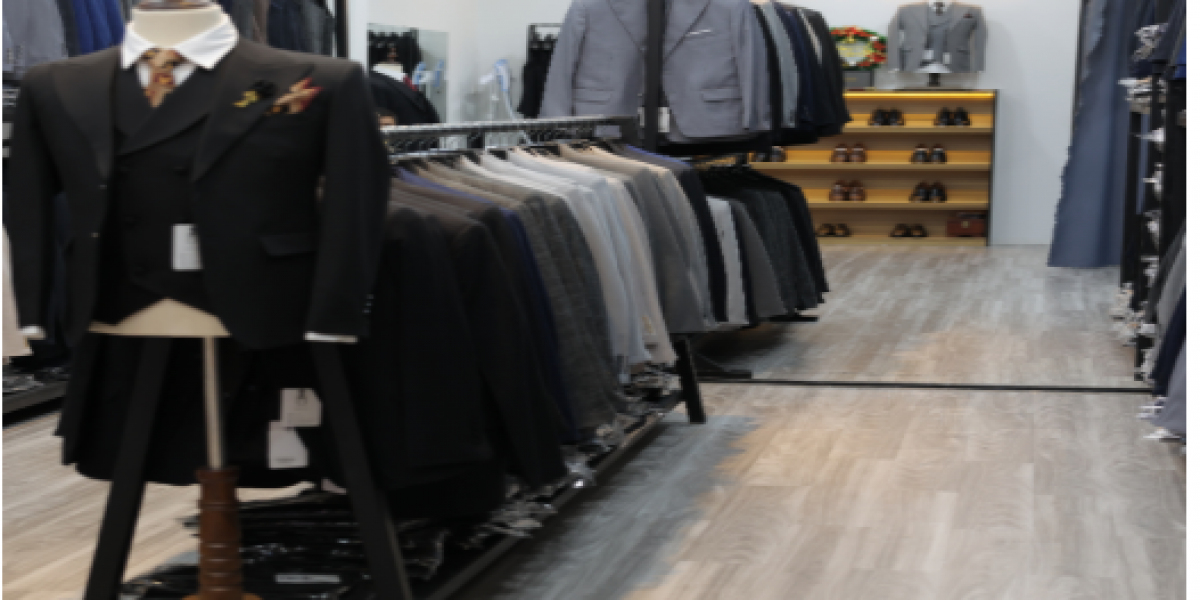 vest chú rể
Đối với các sự kiện như đám cưới, lễ tốt nghiệp, hội nghị, chụp ảnh hoặc tiệc cuối năm, việc thuê vest nam giúp bạn có ngay một bộ trang phục đẹp mà không cần đầu tư chi phí lớn. Đây là giải pháp phù hợp với những
-
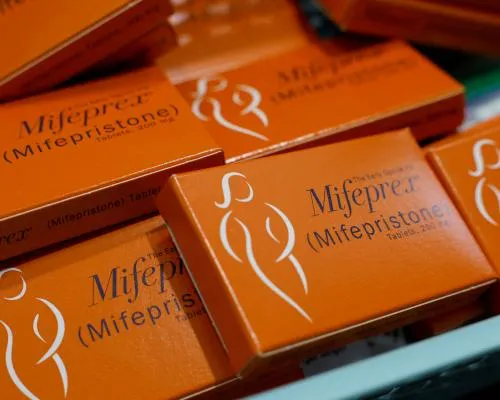 Dekan Federal Menyetujui Keamanan Mifepristone Meskipun Masih Ada Tantangan Akses
 -
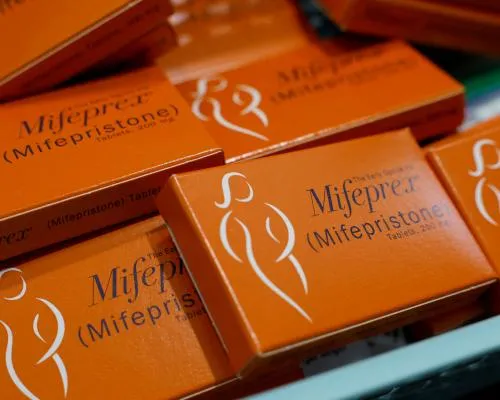 Juicio federal confirma la seguridad de Mifepristona frente a crecientes desafíos de acceso
 -
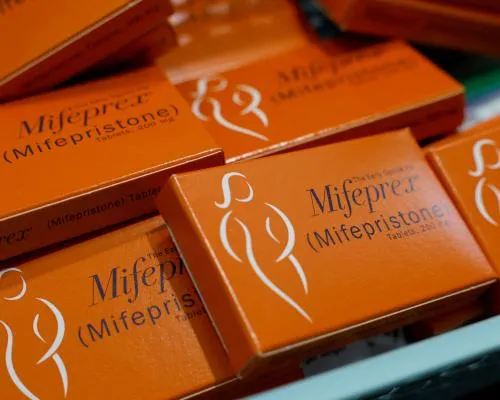 Juiz Federal Confirma Segurança do Mifepristona Diante de Novos Desafios de Acesso
Um juiz federal confirmou a segurança do mifepristona, um medicamento importante nos procedimentos de aborto, e ordenou que as restrições da FDA sejam reconsideradas.
-
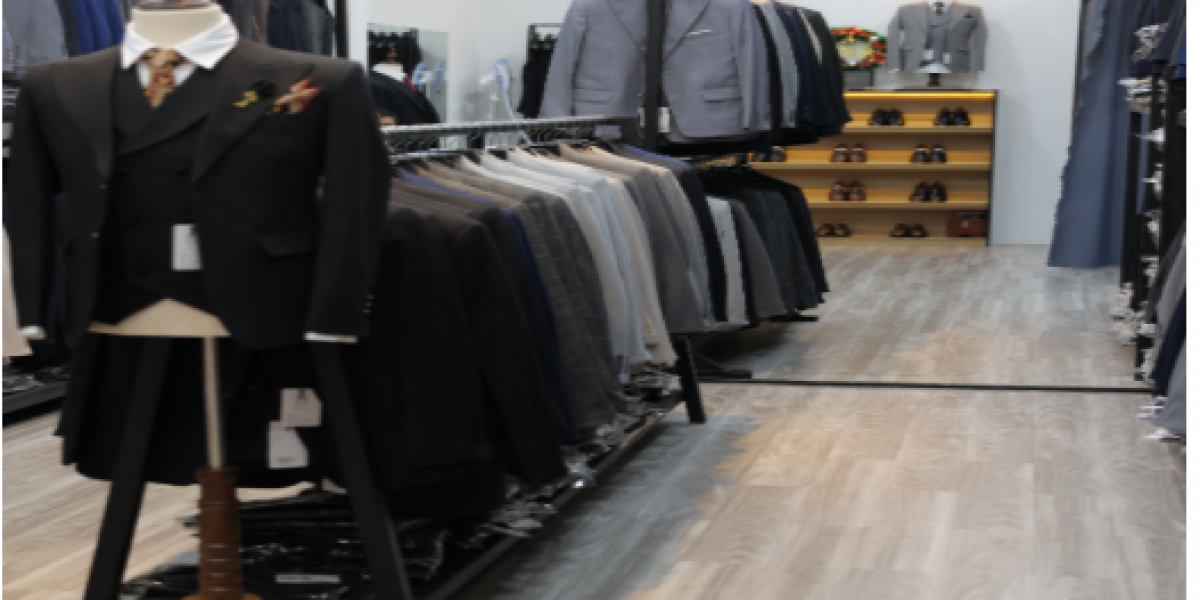 Sự lựa chọn hoàn hảo dành cho khách hàng
Vest Nam TPHCM cung cấp đa dạng dịch vụ từ bán, may đo đến thuê vest với nhiều mẫu mã hiện đại. Bộ sưu tập bao gồm vest công sở, vest cưới, tuxedo, vest trung niên, vest big size và nhiều mẫu vest thời trang phù hợp với nhiều độ t
-
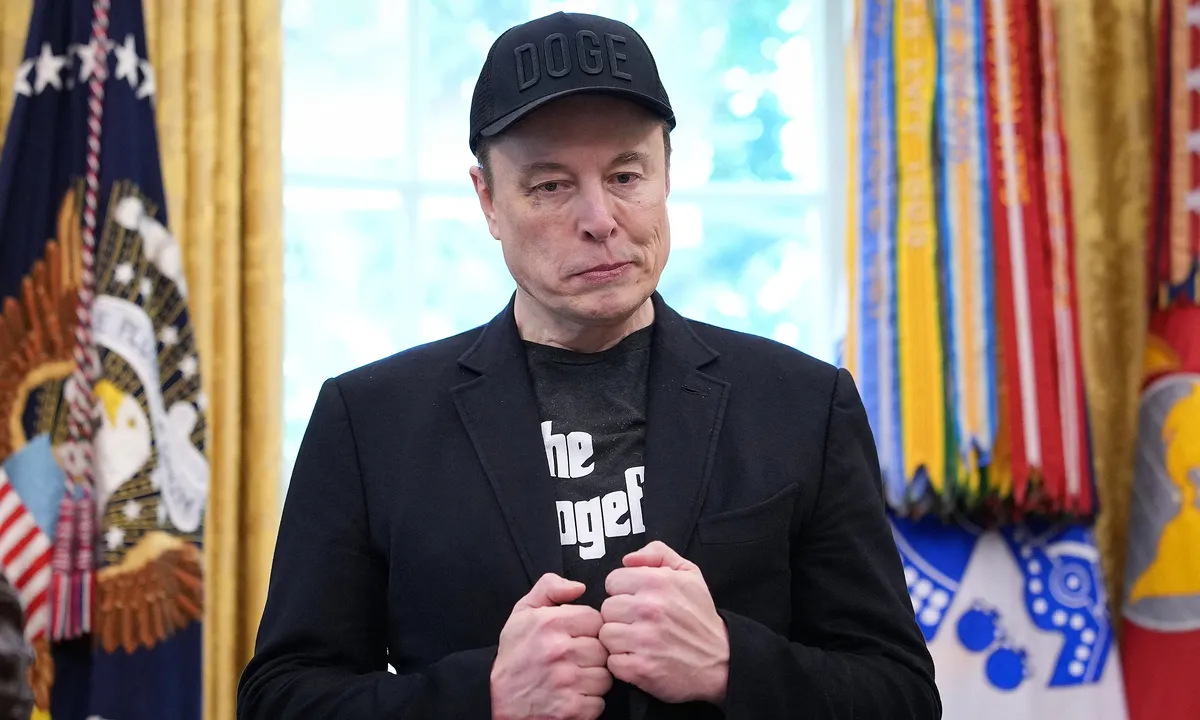 Tỷ phú Elon Musk thừa nhận tham gia chính trị 'quá đà' và dự đoán tương lai nhân loại
Tỷ phú Elon Musk thừa nhận đã lún quá sâu vào chính trị, gây ra nhiều tranh cãi, nhưng vẫn giữ quan điểm về tương lai nhân loại và AI. Sự việc này ảnh hưởng đến doanh nghiệp của ông như thế nào?
-
 Tribunal angoleño condena a rusos por terrorismo y espionaje
 -
 Angolan Court Convicts Russians of Terrorism and Spying
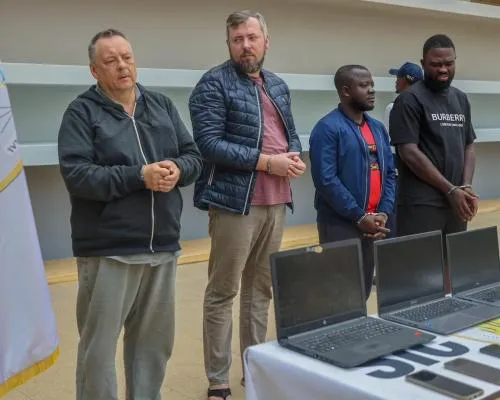
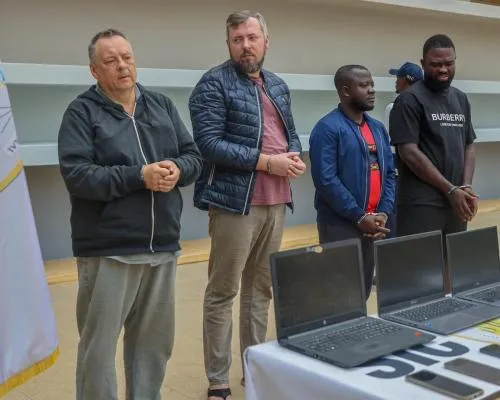
Angolan court sentences two Russians for terrorism and spying after their alleged roles in a planned coup and fuel protests. The verdict has sparked legal appeals.


