- The escalating violence in the West Bank has left at least one child dead every week since January 2025.
- Children face significant risks, including movement restrictions and checkpoints to schools.
- A seven-month-old infant died after being shot by Israeli forces while sitting on his mother’s lap in a car.
The Impact of Escalating Violence
Dr Philip Goodwin, chief executive of Unicef UK, recently returned from meeting Palestinian families and children across the West Bank – many of whom carried Unicef backpacks just like Mohammad al-Halaq in your report. His visit resonated deeply as he witnessed firsthand the rising fear and violence that have become an integral part of their daily lives. Dr Goodwin has worked in humanitarian development for more than two decades, but nothing could have prepared him for what he saw.
In Hebron’s militarised H2 area, movement is heavily restricted. Children must pass through checkpoints just to get to school and their usual route is permanently closed off. A group of mothers Dr Goodwin met described routine humiliation and intimidation in the streets. The scene was stark; people were afraid to venture outside, leaving the streets empty as a testament to the fear that has taken hold.
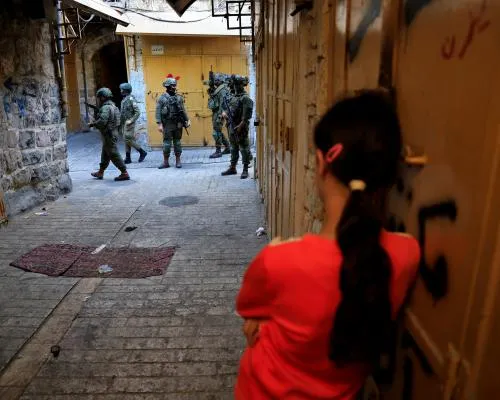
A particularly tragic incident occurred just days before Dr Goodwin's visit, when a seven-month-old infant boy died after being shot by Israeli forces while sitting on his mother’s lap in the back of a car. This young child had not yet had the chance to take his first steps and his death serves as a poignant reminder of the daily dangers faced by young children in the region. Since January 2025, at least one Palestinian child has been killed on average every week in the West Bank.
For nine-year-old Mohammad, and the many other children who have lost their lives or rights as part of escalating violence, there must be global outrage and condemnation. These incidents are not isolated; they represent a broader pattern of violence that threatens the well-being and future of Palestinian children. Dr Goodwin emphasized in his visit that these deaths cannot be allowed to become normalized.
Unicef is calling on the Israeli authorities to take immediate and decisive action to protect Palestinian children, in line with international law. The organization also urges UN member states with influence to use their leverage to ensure that children's rights are protected and that international law is respected. Dr Goodwin stated, 'We cannot allow this situation to continue without a global response.' His calls for urgent intervention underscore the urgency of the issue.
Dr Goodwin’s visit comes at a critical time as tensions in the region continue to rise. The impact on Palestinian children goes beyond physical harm; it affects their mental and emotional well-being, stunting their development and future prospects. As Dr Goodwin noted, these children are not just victims; they are the future of their communities.
The international community must take heed of the plight of these children. Action is needed now to ensure that the rights of Palestinian children are upheld and protected in accordance with international law. The time for inaction has passed, and global attention and support are essential to bring about meaningful change.
Source: The Guardian

Guardian News World
478 posts
-
 Urgent Need to Protect Palestinian Children Amid Escalating Violence
The chief executive of Unicef UK highlights the escalating violence against Palestinian children in the West Bank, calling for global action.
-
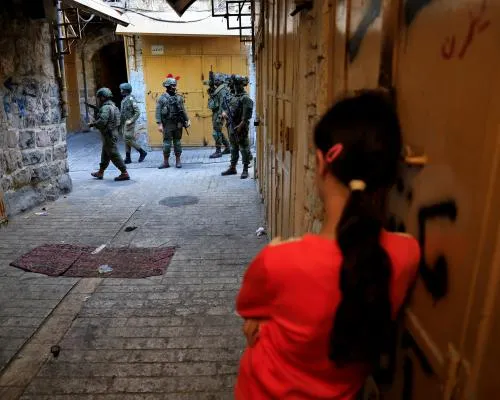 Escalating Violence in West Bank Sparks Global Concern
Unicef UK chief executive reports on the rising fear and violence faced by Palestinian children in the West Bank, highlighting at least one child killed weekly since January 2025.
-
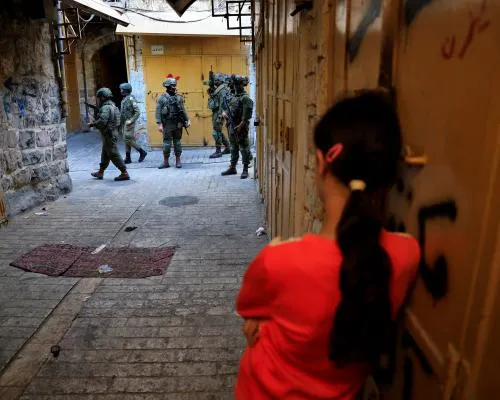 Global Concern Over Escalating Violence Against Palestinian Children in West Bank
Palestinian children face increasing violence in the West Bank, with at least one child killed weekly since January 2025.
-
 Workplace Challenges of Watching England's World Cup Match
Exploring the complexities of workplace policies during the World Cup and how employers can balance support for fans while maintaining operational efficiency.
-
 Workplace Implications of World Cup Kick-Off Times
This article explores how World Cup kick-off times affect workplace attendance and rights, offering advice for both workers and employers.
-
 US Candidates Face Backlash Over Gaza Protests
US congressional candidates face controversy over their stances on Israel-Palestine conflict during protests, highlighting its role in US politics.
-
 US Elections and Israel-Palestine Conflict Spark Controversies
US congressional elections have been dramatically affected by the Israel-Palestine conflict, with incidents involving candidates in California and New York sparking significant debates.
-
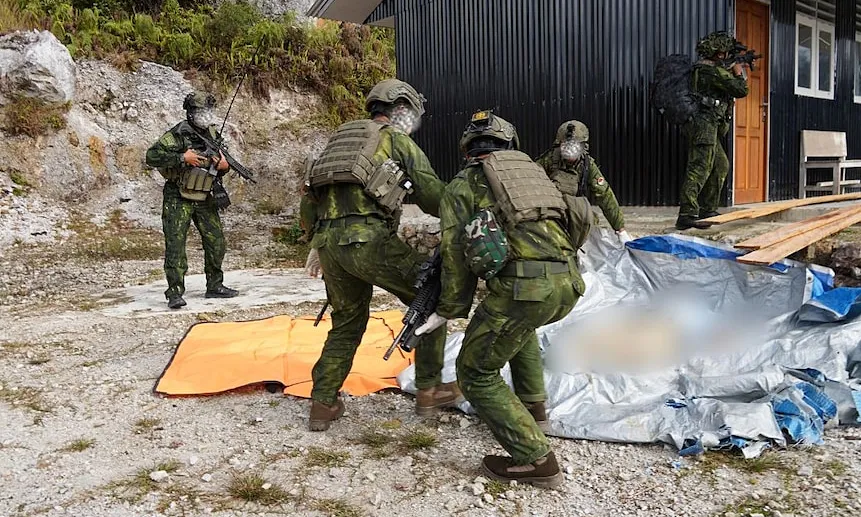 Indonesia thu hồi thi thể phi công Mỹ trong chiến dịch không đối kháng
Quân đội Indonesia triển khai trực thăng thu hồi thi thể phi công Mỹ bị phe ly khai ở Tây Papua.
-
 Cricket Match Abandoned After Runaway Bull Charges Playing Field
A cricket match in Burnopfield near Newcastle had to be abandoned after a runaway 800kg bull charged at players and spectators, causing safety concerns.
-
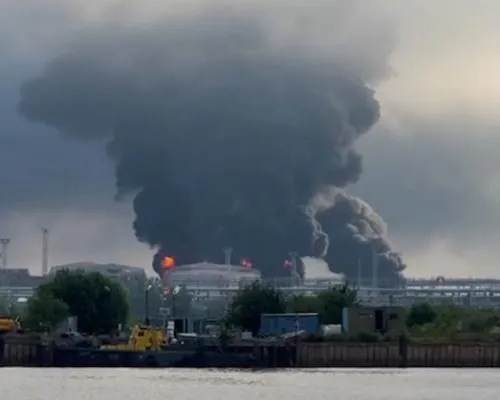 Ukrainian Drone Strikes Hit Russian Ports Amid Intensified Military Campaign
Ukraine launched a large-scale overnight drone attack on St Petersburg's oil terminal, causing minor damage but no casualties. The strikes target critical Russian infrastructure as part of Ukraine’s long-range sanctions strategy.


