- Jamie Parker shared his journey from initial confusion to becoming a 'Potterhead' through his role as Harry Potter.
- Illusions designer Jamie Harrison describes the meticulous process of integrating magic into the production.
- The unique entrance to the Ministry of Magic was created using a clever adaptation of a 120-year-old trick.
From Confusion to Commitment
Jamie Parker, who portrays Harry Potter in the production, initially felt unqualified for the role. His initial reaction was one of confusion – he felt a bit long in the tooth to play a teenager. He had read the first Harry Potter book and seen a few of the movies, but was just past the right age when it was all kicking off. Parker did not know that there was the coda in the final book that places the action 19 years later, and that’s where the play would be picking up from.
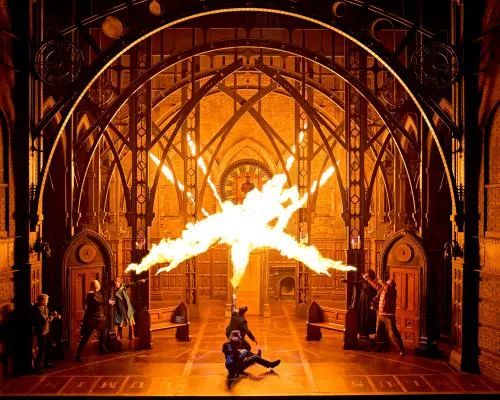
Initially, Parker thought the show was a terrible idea but admitted that many hit shows are terrible on paper. His decision to take the role was partly driven by his desire to work with producers Sonia Friedman and Colin Callender, as well as other creatives like Jack Thorne. By the time he finished his rehearsals, spent some time in London, and then a year on Broadway, he had listened to the entire series several times and became engrossed in the magical world of Harry Potter.
The Illusion Behind the Magic
Illusions designer Jamie Harrison spoke about the intricate process of integrating magic into the production. His background in magic helped him understand the complexities involved, but he was initially discouraged from mentioning it on his CV by acting school lecturers. Despite this, Harrison embraced the challenge and worked closely with director John Tiffany to bring magical elements to life on stage. The Ministry of Magic entrance is a prime example of their collaborative efforts; they started with an old emergency telephone booth, transforming it into a spectacle that audiences came to recognize as iconic.
Harrison emphasized the blend of traditional magic techniques and modern technology used in the production. For instance, he mentioned the use of shadows and light, which created the illusion of magical transformations, but there was also a huge crew and an extensive amount of technology involved. Harrison also highlighted the use of trapdoors that audiences couldn’t see were being used, adding to the overall authenticity of the performance.
A Special Audience Experience
The preview performances revealed a highly engaged audience with theatregoers arriving 10 minutes before showtime and phones remaining silent throughout. The anticipation was palpable, creating an atmosphere that Harrison likened to watching the premiere of Star Wars in one cinema worldwide. John Tiffany, the director, emphasized the importance of precision in executing spells and magical effects, especially the Expelliarmus spell, a highly skilled illusion that required intensive practice from actors. Tiffany also mentioned the production's commitment to detail and craftsmanship, not only in its visual magic but also in the technology and crew involved.
The original two-part show celebrates 10 years of success at the Palace Theatre in London, with plans for an expanded one-part version opening soon on October 9. This milestone marks a decade of continuous performance and audience engagement, solidifying Harry Potter and the Cursed Child's place as a cultural phenomenon in theatre.
Source: The Guardian

Culture News
166 posts
-
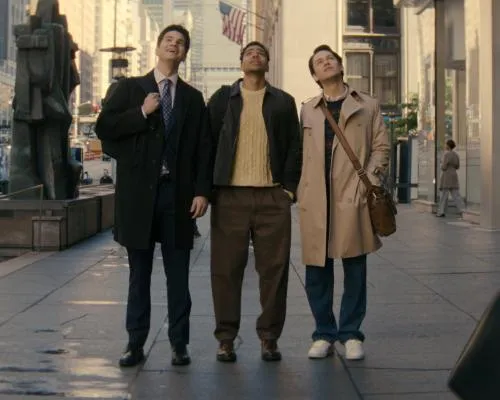 Summer TV Slump: Streaming Services Struggle with Big New Shows
This year's summer TV season has seen fewer breakout hits, leading viewers to prefer outdoor activities over binge-watching shows.
-
 Festival cultural más antiguo de Gales celebra sus 850 años en un castillo medieval
Eisteddfod y Garreg Las, que tiene 850 años en el castillo de Cardigan, combina tradiciones antiguas con festividades modernas.
-
 Wales’ Oldest Cultural Festival Marks 850 Years at Medieval Castle
Eisteddfod y Garreg Las, marking 850 years at Cardigan castle, blends ancient traditions with modern festivities.
-
 Perhiasan Zendaya Menjadi Fokus Perdebatan soal Hak Milik Bangkai Sejarah
 -
 Zendaya’s Joyeros Propician Debate sobre la Propiedad de Bienes Arqueológicos Antiguos
 -
 Brincos de Zendaya Inspiram Debate Sobre Propriedade de Antiguidades
A escolha dos brincos por Zendaya em uma pré-estreia do filme Odyssey levantou questões sobre a autenticidade e origem dessas antigas peças iranianas.
-
 Zendaya’s Earrings Spark Debate Over Ancient Artifacts’ Ownership
Actress Zendaya's choice of earrings at an Odyssey film premiere led to debates over the authenticity and provenance of ancient Iranian artifacts.
-
Seniman Pilih Anonimitas: Sikap Radikal di Era Pengungkapan Diri
Explorasi mengapa seniman memilih anonimitas ketika pengungkapan diri sering kali dipandang penting dalam era modern.
-
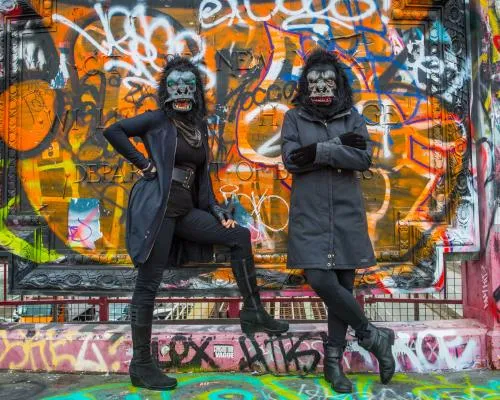 Artistas Escogiendo la Anonimia: Un Acto Radical en una Época de Autoexpuestos
Exploración de por qué los artistas eligen la anonimia en un tiempo donde la exposición se ve a menudo como esencial.
-
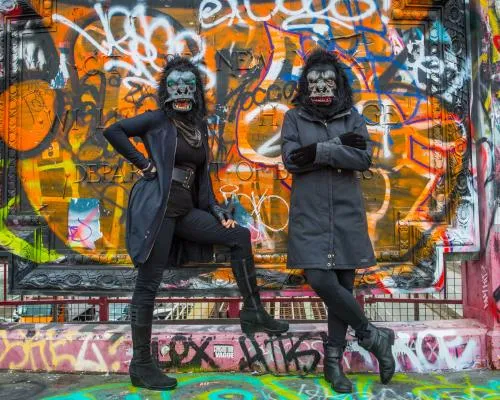 Artists Choosing Anonymity: A Radical Act in an Age of Self-Exposure
An exploration of why artists choose anonymity in an age where self-exposure is often seen as essential.
-
Berita Hiburan: Film, Album Baru dan Pementasan


