3D Sensor Market Analysis: Emerging Technologies and Strategic Expansion
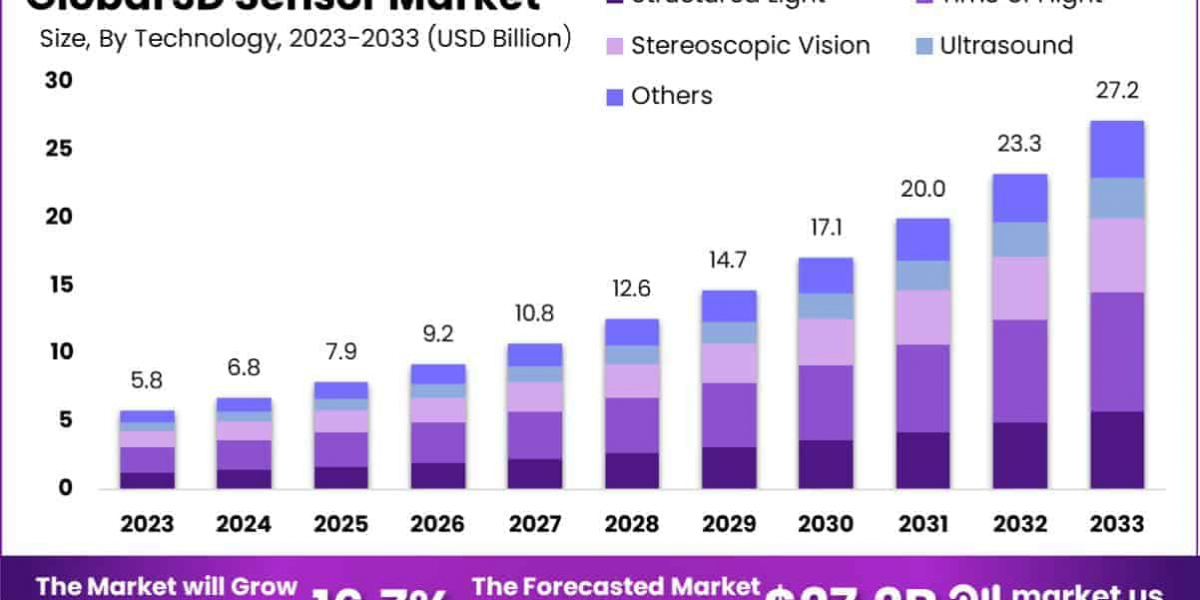
The Global 3D Sensor Market is projected to reach USD 27.2 billion by 2033, up from USD 5.8 billion in 2023, registering a robust CAGR of 16.7% during 2024–2033. This exponential growth is driven by rising demand in consumer electronics, automotive safety systems, and industrial automation. The surge in AI and IoT adoption fuels sensor deployment across smart devices.
Enhanced imaging accuracy and depth sensing enable superior interaction in AR/VR and robotics, intensifying market demand. The trend towards miniaturization, coupled with declining sensor costs, further accelerates integration across sectors, reshaping human-machine interaction and automation workflows globally.
Key Takeaways
Market size (2023): USD 5.8 Billion
Forecast (2033): USD 27.2 Billion
CAGR (2024–2033): 16.7%
North America share (2023): 38.6%

3D Sensor Market Analysis: Emerging Technologies and Strategic Expansion North America revenue (2023): USD 2.23 Billion
Key applications: consumer electronics, automotive, industrial automation
Dominant Market Position
North America leads the 3D sensor market, commanding a 38.6% share and generating USD 2.23 billion in 2023. This dominance is fueled by rapid technological adoption, presence of advanced R&D centers, and a high concentration of tech-forward industries. Demand is notably high across sectors such as defense, healthcare, and autonomous vehicles.
The region’s proactive investment in AI, AR/VR, and IoT ecosystems has reinforced sensor integration. Favorable government support and consumer affinity for smart devices further drive growth. With a well-established industrial base and innovation-led policies, North America is poised to maintain its lead during the forecast period.
Technology Perspective
Technological evolution in 3D sensors includes advancements in time-of-flight (ToF), stereo vision, and structured light. These technologies are enhancing real-time depth mapping, gesture recognition, facial detection, and object tracking. ToF sensors are increasingly preferred in smartphones and robotics due to their speed and accuracy. Integration with AI chips and edge computing enables smart decision-making, optimizing power consumption and latency.
The rise in MEMS technology supports miniaturization, making sensors more adaptable for wearables and portable devices. 3D sensing technologies are also revolutionizing machine vision in manufacturing, while sensor fusion enhances reliability and performance in complex environments like autonomous vehicles and drones.
Dynamic Landscape
The 3D sensor market is dynamically evolving, influenced by AI, miniaturization, and cross-industry adoption. Strategic collaborations, R&D, and patents are shaping competitive edges. Startups and tech giants alike are pushing innovation boundaries. Regulatory frameworks and sustainability considerations are emerging factors affecting product development, customization, and deployment across sectors.
Driver, Restraint, Opportunity, Challenges
Driver: Increasing demand for depth-sensing in smartphones and automotive safety systems.
Restraint: High initial cost and integration complexities.
Opportunity: Surge in AR/VR and smart home adoption.
Challenge: Standardization issues and accuracy limitations in varied lighting or weather conditions affecting sensor reliability.
Use Cases
Gesture recognition in smartphones and gaming
Collision avoidance in autonomous vehicles
Face recognition in security systems
Robotics and machine vision in manufacturing
Medical imaging and diagnostics
Augmented and virtual reality systems
Key Players Analysis
Leading companies in the 3D sensor market are aggressively investing in innovation, expanding application reach from consumer electronics to automotive and healthcare. Their focus lies in enhancing performance, reducing sensor size, and integrating AI-driven functionality. Partnerships with OEMs, strategic mergers, and robust patent portfolios are strengthening market position. Companies are also working to address cost-efficiency and power management challenges.
Global players are targeting emerging markets, especially in Asia-Pacific, for production and end-use expansion. Their R&D initiatives increasingly focus on improving depth accuracy and operational range to meet real-time data needs in robotics, autonomous navigation, and interactive device interfaces.
Recent Developments
Launch of ultra-compact ToF sensors for smartphones
Advancements in AI-integrated 3D imaging chips
Strategic partnerships with AR/VR companies
Expansion of production facilities in Asia
Introduction of low-power 3D sensors for wearables
Conclusion
The 3D sensor market is undergoing rapid transformation driven by technological advances and expanding application areas. With North America maintaining a dominant share and growing investments worldwide, the sector is set for sustained, high-paced expansion. Innovations in AI integration and miniaturization will play a pivotal role in shaping its future trajectory.
Anna Cool
30 posts
-
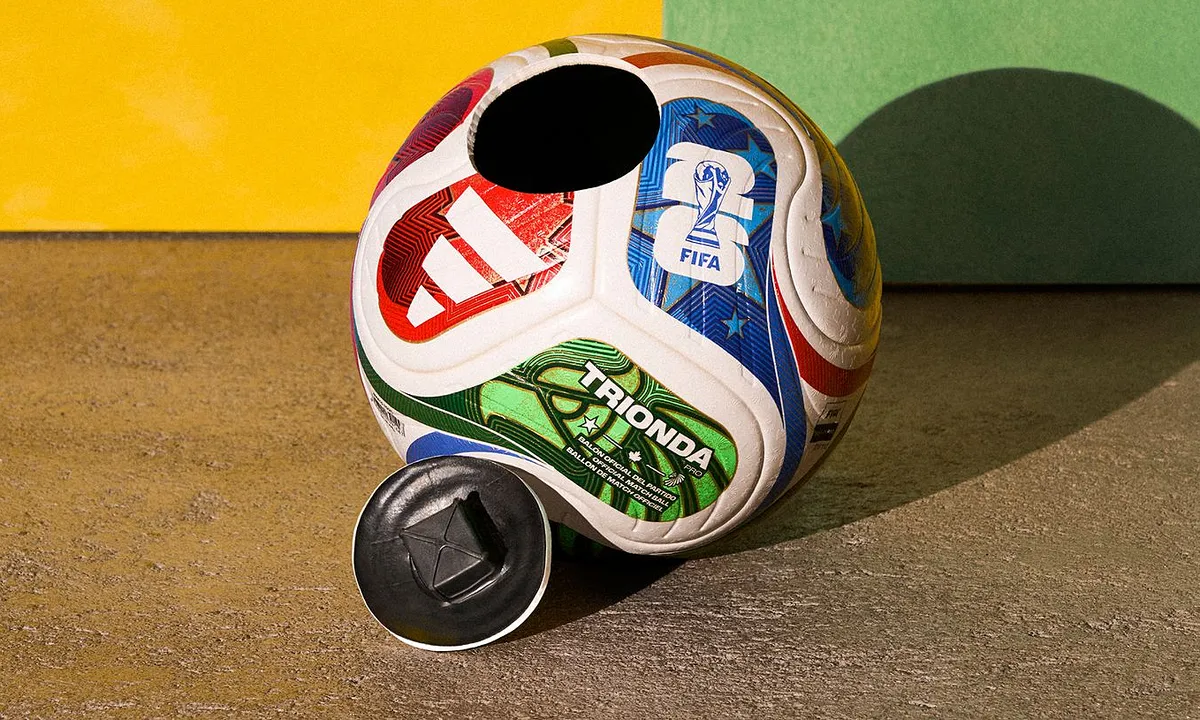
Công nghệ chip trong bóng Trionda phát hiện va chạm đến mức nàoChi tiết về công nghệ bóng Trionda trong World Cup 2026, cách hệ thống cảm biến quán tính IMU phát hiện va chạm chính xác hơn 100 lần mỗi giây.
-
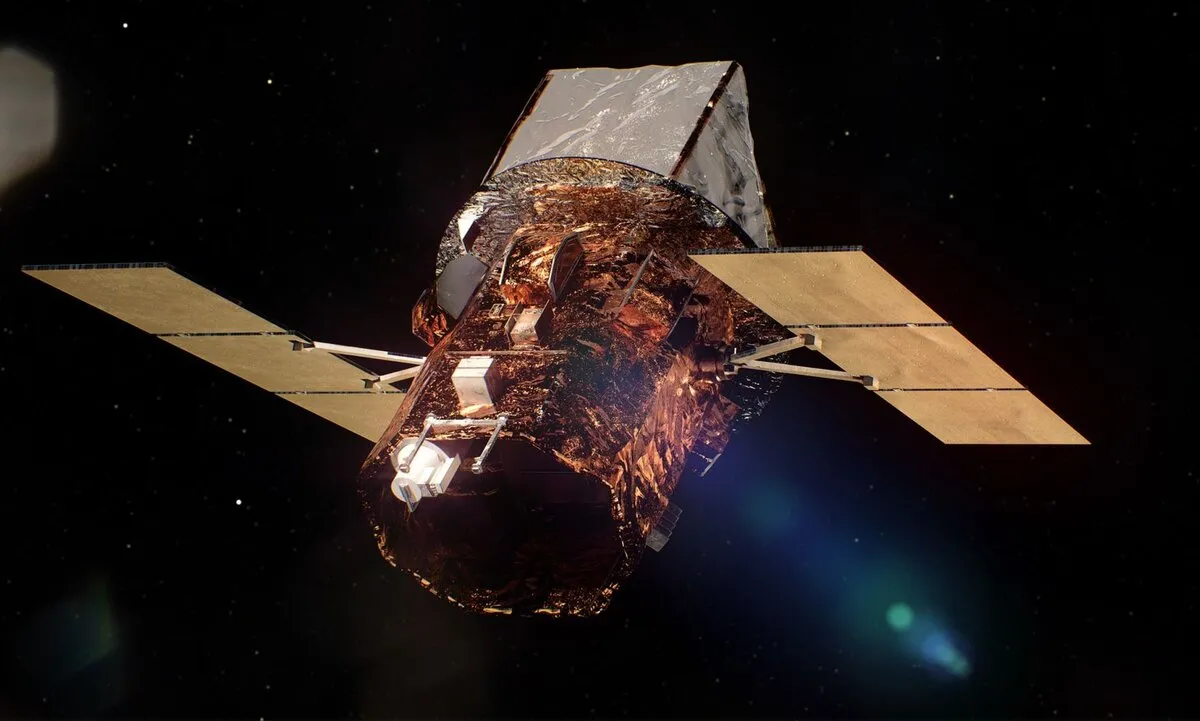
NASA triển khai robot cứu kính viễn vọngSwift trị giá 250 triệu USDNASA triển khai robot để cứu kính viễn vọngSwift trị giá 250 triệu USD, đặt ra phương án tương lai cho hoạt động tương tự.
-

Elon Musk's Social Media Focus on UK Race and Immigration Overshadows SpaceX IPOAn analysis of Elon Musk’s X posts reveals that he focused more on UK race and immigration during SpaceX’s IPO run-up than his own company.
-

Mark Zuckerberg: CEO công nghệ với đam mê chăn nuôi 'thịt bò tốt nhất thế giới'CEO Meta Mark Zuckerberg đầu tư vào dự án chăn nuôi để tạo ra loại thịt bò chất lượng cao nhất thế giới.
-

UK’s Stargate UK Datacentre Project: A Hyped but Hypothetical InvestmentThe Stargate UK datacentre project appears to be a largely hypothetical investment, with key partners failing to visit the proposed site. Local leaders question its feasibility and authenticity.
-

Cảm biến bóng xác định việt vị: Thế nào để quyết định chính xác?FIFA sử dụng cảm biến tích hợp trong quả bóng để xác định tình huống việt vị và đưa ra quyết định chính xác.
-
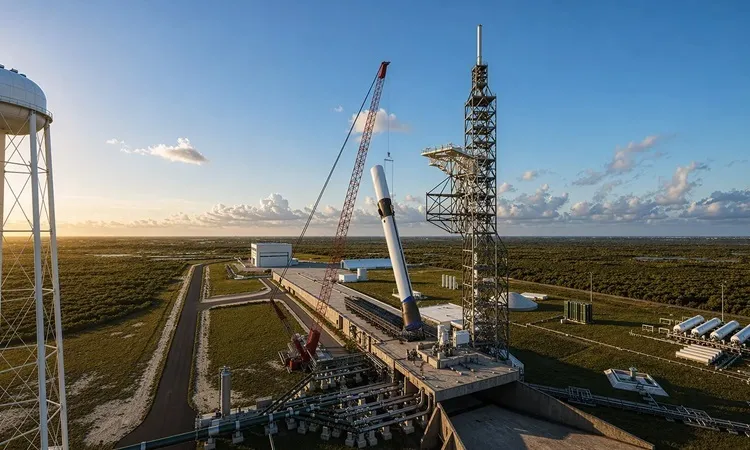
Blue Origin tái cấu hình phóng sau vụ nổ New GlennBlue Origin chuyển cấu hình phóng sau vụ nổ New Glenn để tăng tần suất bay.
-

OpenAI's Sydney Office: NSW Government's Hesitation Amid AI Dystopia FearsNSW government's cautious approach to OpenAI's Sydney office, balancing enthusiasm with environmental concerns.
-

Vạn Lý Trường Thành Xanh: Trồng Cây Nhanh hơn Rừng Tự NhiênDự án Vạn lý Trường thành Xanh trồng 66 tỷ cây xanh với tốc độ sinh trưởng nhanh hơn, hấp thụ CO2 hiệu quả hơn so với rừng tự nhiên.
-

AI tools heighten risk for children: Experts urge parents to take cautionAs AI tools become more sophisticated, children are at risk of having their photos used by predators to create explicit material. UK watchdogs advise parents to be cautious online.
-
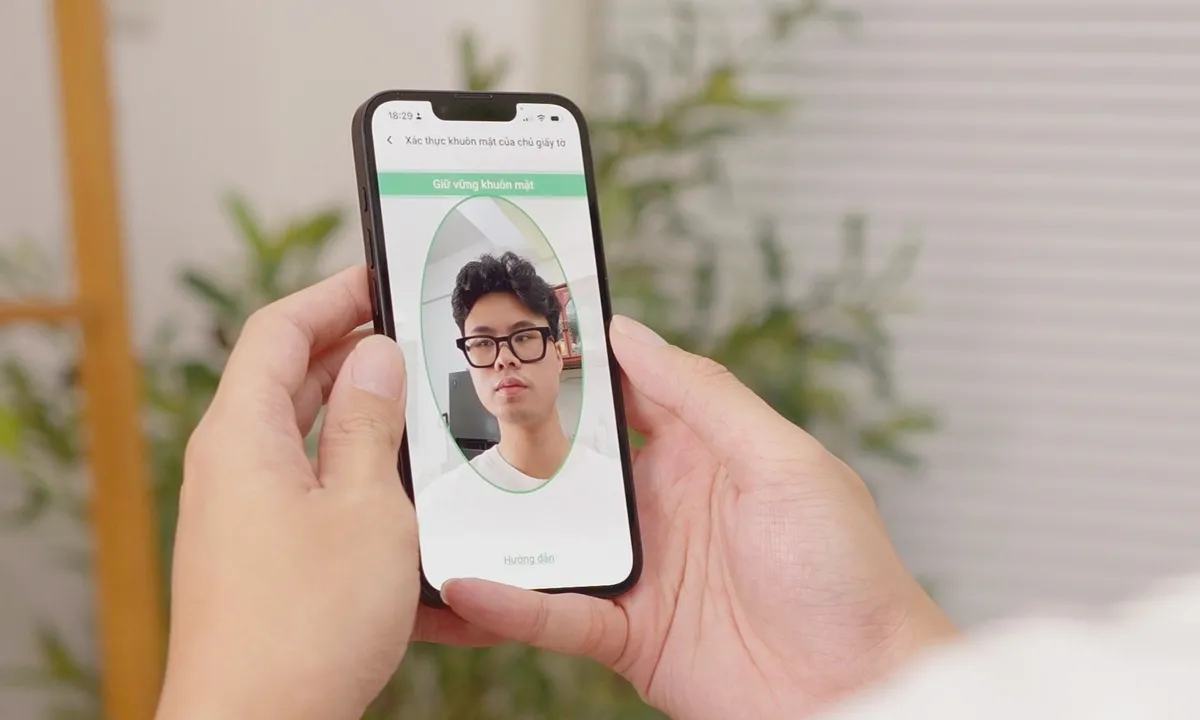
Phương thức xác thực khuôn mặt khi đổi SIM sang điện thoại mớiBộ Khoa học và Công nghệ yêu cầu xác thực khuôn mặt khi đổi SIM sang máy mới để chống lại sử dụng SIM không chính chủ.


