- Musk posted twice as often about race and immigration in the UK compared to SpaceX during his company’s IPO run-up.
- The period included tensions over police actions and violent protests.
- Musk supported far-right figures, including Stephen Yaxley-Lennon, raising concerns among British officials.
Elon Musk's Social Media Activity
In the days leading up to SpaceX’s initial public offering (IPO) on June 12, Elon Musk focused significantly more on UK politics and social issues than his own company. According to a Guardian analysis of his posts on X, Musk posted about race and immigration in the UK 303 times during this period, nearly three-quarters of which related to UK politics.
Context of the Period
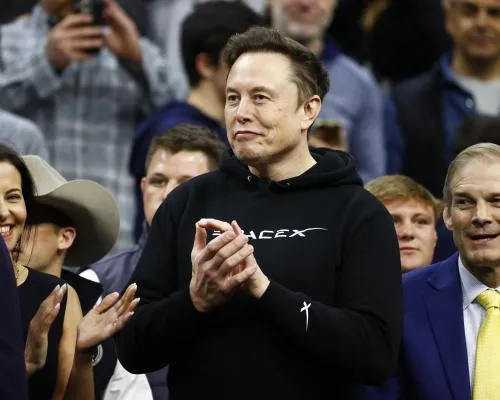
The run-up to SpaceX’s IPO coincided with heightened tensions in the UK. The sentencing of Vickrum Digwa for the murder of teenager Henry Nowak sparked concerns over “anti-white” policing. Simultaneously, violent riots erupted across Belfast following a knife attack, adding to the social and political turbulence.
Musk's Political Engagement
Musk’s posts included support for far-right figures like Stephen Yaxley-Lennon (better known as Tommy Robinson), whose rally in 2025 Musk appeared at live. The Guardian analysis also revealed that Musk posted about UK race and immigration politics more frequently during this period compared to other protests, such as the 2024 summer riots.
Impact on British Politics
The scale of Musk's wealth and his involvement with far-right organizations has raised concerns. Dr Michael Vaughan from the London School of Economics stated that Musk’s influence could distort democratic politics in Europe. A report by the Centre for Countering Digital Hate found that Musk’s support contributed 64 million views to the posts of far-right figures like Lowe and Robinson.
Conclusion
The focus on UK race and immigration issues during this period highlights Musk's broader social media strategy, which sometimes overshadows his company's activities. As a global influencer, his involvement in these matters has significant implications for both politics and public discourse.
Source: The Guardian

Technology News Feed
91 posts
-
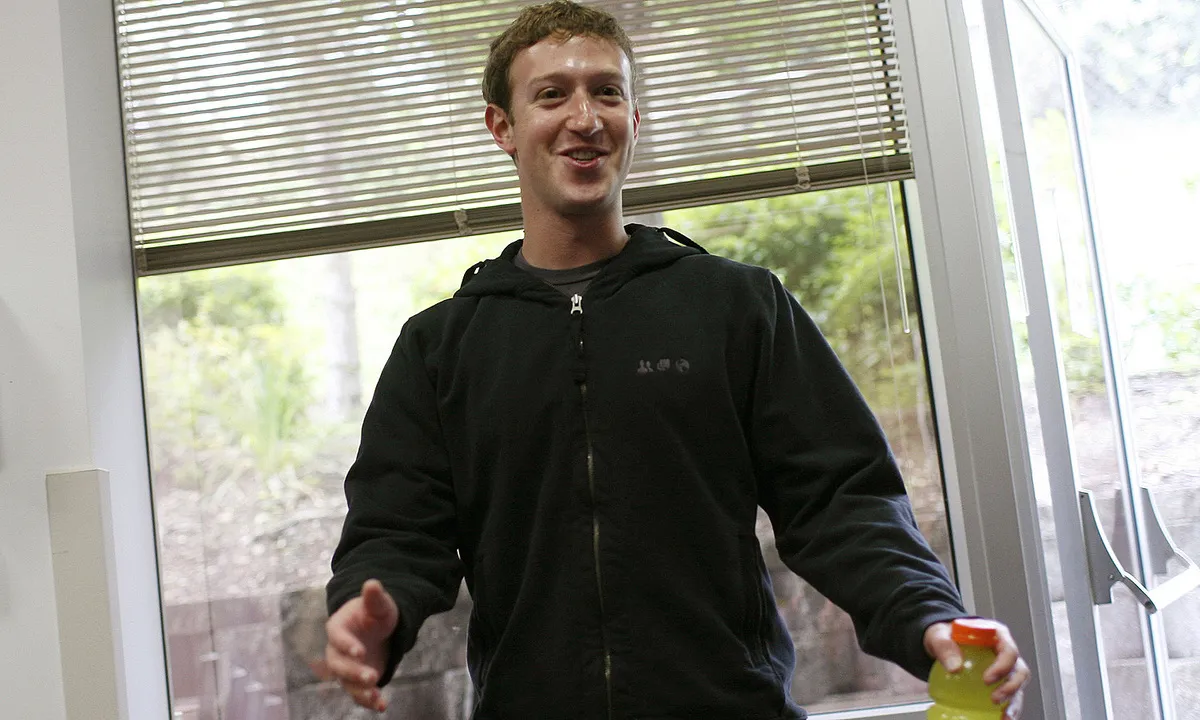 Mark Zuckerberg: CEO công nghệ với đam mê chăn nuôi 'thịt bò tốt nhất thế giới'
CEO Meta Mark Zuckerberg đầu tư vào dự án chăn nuôi để tạo ra loại thịt bò chất lượng cao nhất thế giới.
-
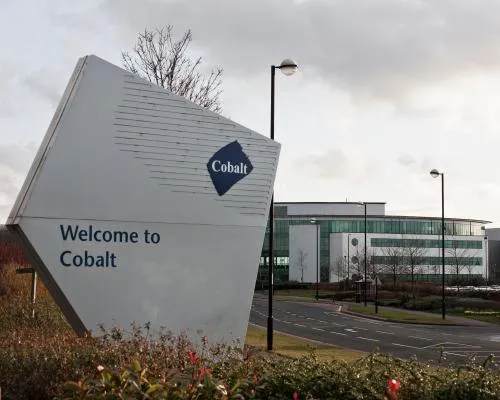 UK’s Stargate UK Datacentre Project: A Hyped but Hypothetical Investment
The Stargate UK datacentre project appears to be a largely hypothetical investment, with key partners failing to visit the proposed site. Local leaders question its feasibility and authenticity.
-
 Cảm biến bóng xác định việt vị: Thế nào để quyết định chính xác?
FIFA sử dụng cảm biến tích hợp trong quả bóng để xác định tình huống việt vị và đưa ra quyết định chính xác.
-
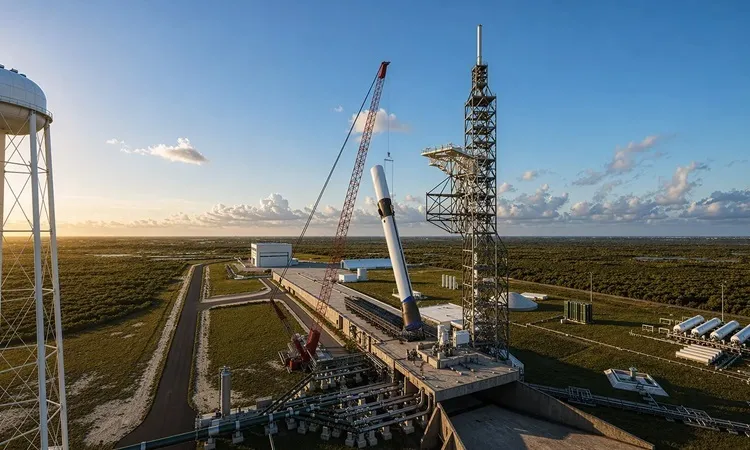 Blue Origin tái cấu hình phóng sau vụ nổ New Glenn
Blue Origin chuyển cấu hình phóng sau vụ nổ New Glenn để tăng tần suất bay.
-
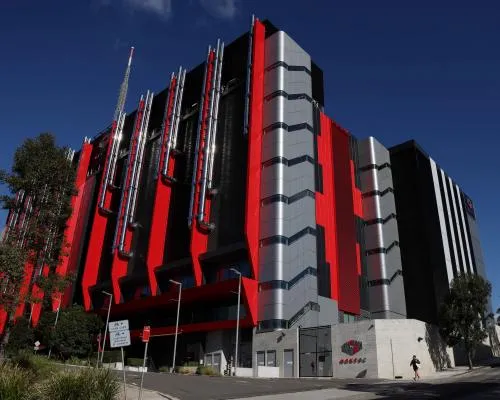 OpenAI's Sydney Office: NSW Government's Hesitation Amid AI Dystopia Fears
NSW government's cautious approach to OpenAI's Sydney office, balancing enthusiasm with environmental concerns.
-
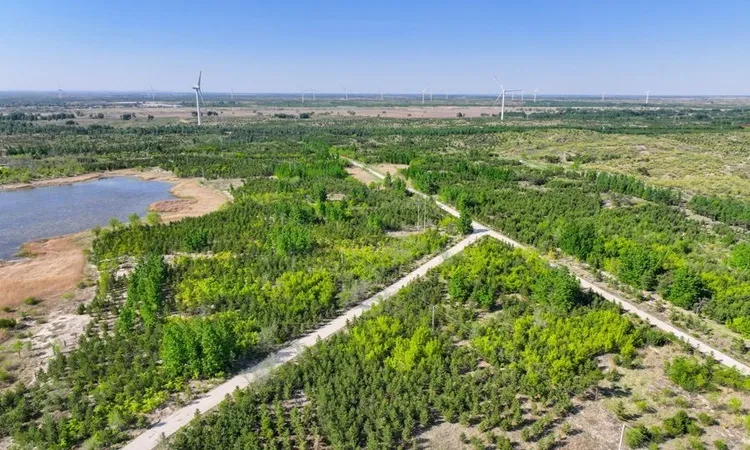 Vạn Lý Trường Thành Xanh: Trồng Cây Nhanh hơn Rừng Tự Nhiên
Dự án Vạn lý Trường thành Xanh trồng 66 tỷ cây xanh với tốc độ sinh trưởng nhanh hơn, hấp thụ CO2 hiệu quả hơn so với rừng tự nhiên.
-
 AI tools heighten risk for children: Experts urge parents to take caution
As AI tools become more sophisticated, children are at risk of having their photos used by predators to create explicit material. UK watchdogs advise parents to be cautious online.
-
 Phương thức xác thực khuôn mặt khi đổi SIM sang điện thoại mới
Bộ Khoa học và Công nghệ yêu cầu xác thực khuôn mặt khi đổi SIM sang máy mới để chống lại sử dụng SIM không chính chủ.
-
 The Ethical Direction of AI: Philosophers vs. Practicalities
Letters to The Guardian discuss the role of ethics in artificial intelligence development, questioning whether philosophical considerations are overshadowed by economic and practical concerns.
-
 Meta Mô hình mới Watermelon Có Thể Bắt Nữa GPT-5.5
Meta công bố sự tiến bộ đáng kể của mô hình AI Watermelon, có thể sánh ngang với GPT-5.5 của OpenAI, với mục tiêu cải thiện khả năng lập trình và tác nhân trong công nghệ AI.


