- Cut Piece, first performed in 1964, continues to be a provocative piece in performance art history.
- The work involves audience members cutting away pieces of the artist’s clothing, making it vulnerable and dependent on viewer participation.
- For the upcoming live performances, MPA, an artist who has explored the body's relationship with political realities, reflects on the relevance of Cut Piece today.
Performance Art Legacy
The Broad museum in Los Angeles is showcasing Cut Piece, a landmark performance by Yoko Ono from 1964. This piece, an emblematic work of the Fluxus movement, has been restaged with contemporary relevance. In her 1964 Carnegie Hall performance, Ono sat silently as strangers used scissors to cut away pieces of her clothing. Sarah Loyer, curator at The Broad, explains that this piece 'relies on the audience’s actions to complete the performance.' This vulnerability makes it a daunting yet fascinating spectacle.
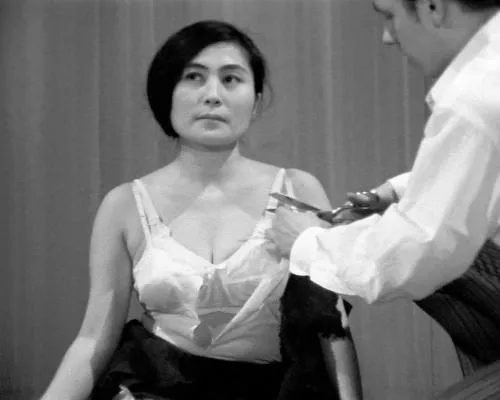
Current Relevance and Challenges
Despite its enduring legacy, MPA, an artist known for her politically charged durational works, accepted the challenge of performing Cut Piece with both pride and trepidation. She questioned whether the piece could still have the same impact in 2026 as it did when first performed. 'Can it still have that sting? Or will it just fall back into like a re-enactment?' she pondered. MPA's apprehensions were not about physical danger but rather how such an iconic piece might be perceived and experienced today.
Artist Reflections
In its original form, Cut Piece was born out of anger towards the treatment of women’s bodies by Ono. Over time, however, her perspective evolved into a gesture of peace. By 2003, when she performed it for the last time, Ono had changed the final act to sending pieces of her clothing as gifts. This shift reflects Ono's growing personal and artistic maturity. MPA, who has a similar background in processing anger and violence through art, sees a connection with Ono’s early work. She describes her current practice as 'closer to holding the duality of anger and love,' much like Yoko herself.
Preparation for Performance
For MPA's upcoming performances on July 17 and 18 at Redcat theater, she has chosen garments by designers familiar with war and state-sanctioned violence. This preparation is both a nod to Ono’s original intentions and a way to channel the piece's emotional weight. MPA emphasizes that her main concerns are not physical but emotional: 'I think still the act of having like kind of cool cold scissors on me is going to feel provocative for me, and what that does for the audience, we will have to live and see how it feels.'
The performance aims to be a 'total offering' to her audience, much as Ono had intended. By wearing her best suit during the original performance, Ono set an example of dignity and presence. MPA plans to honor this tradition, reflecting on both the historical significance and personal relevance of Cut Piece.
The upcoming performances of Cut Piece are part of a broader retrospective at The Broad until October 11, highlighting Ono's enduring influence in performance art. As MPA steps into this iconic piece, her performance promises to be both a tribute and a re-evaluation of its relevance today.
Source: The Guardian

Culture News
129 posts
-
 Mỗi vóc dáng cần một cách lựa chọn khác nhau
Các đơn vị chuyên về vest nam tphcm hiện nay thường cung cấp nhiều dòng sản phẩm khác nhau, từ vest công sở, vest dự tiệc đến vest dành cho lễ cưới, giúp khách hàng dễ dàng tìm được mẫu phù hợp với nhu cầu sử dụng. Đồng th
-
 Exploring Victorian Poverty Through an Immersive Workhouse Experience
The Ripon Workhouse Museum has reopened after a major revamp, offering visitors a more immersive experience to explore the harsh realities of Victorian workhouses and their relevance to contemporary issues.
-
 Black Women Opt for Healthcare in South Korea Amid US Disparities
Black American women are increasingly turning to South Korea for comprehensive healthcare due to perceived disparities in U.S. medical treatment.
-
 The Enduring Allure of Homer’s Odyssey: From Ancient Epic to Modern Pop Culture
The Odyssey, an ancient Greek epic, continues to influence contemporary media through various adaptations, from films like Christopher Nolan’s to literary works such as Dante's Inferno and Ulysses. Its themes resonate deeply with modern issues.
-
 Chappell Roan’s ‘Casual’ Offers Reality Check on Ambiguous Relationships
Chappell Roan's hit song ‘Casual’ helped an individual gain clarity in ambiguous relationships and led to the end of a long-distance situationship.
-
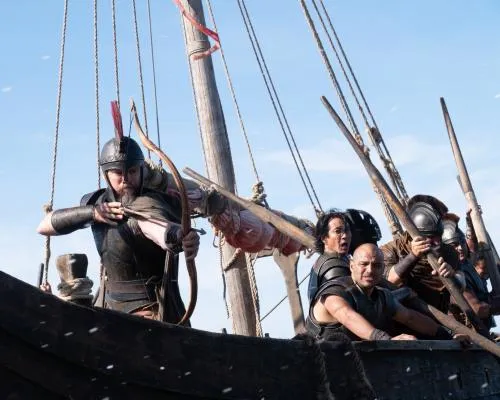 Christopher Nolan’s Dominance Shaping Blockbuster Battles
Christopher Nolan's dominance in the film industry is reshaping blockbuster battles. His ability to consistently draw large audiences makes him unique among today’s directors.
-
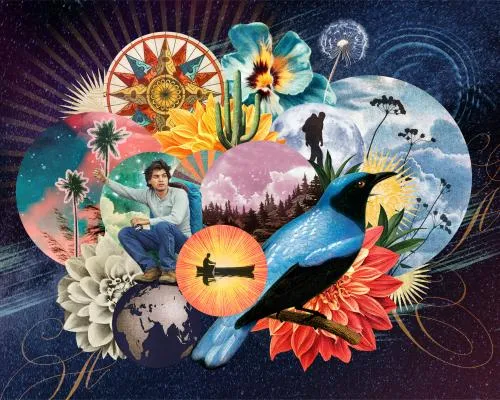 The Quest for Freedom: How a Film Inspired a Journey Through Nature
Morgan da Silva shares how 'Into the Wild' inspired him on his adventures and eventually led him to find inner peace through nature.
-
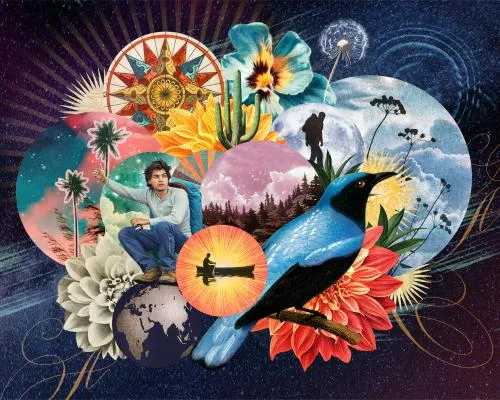 Finding Freedom: A Hiker's Journey from Escapism to Deep Connection
A hiker reflects on how an adventure inspired by Into the Wild led to a deeper understanding of freedom and personal growth.
-
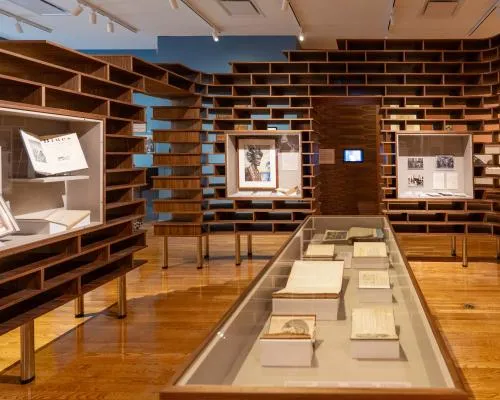 Schomburg Center's Centennial Celebrates Black History and Culture
The Schomburg Center celebrates 100 years of collecting and showcasing Black history with exhibits and digitization projects, focusing on underrepresented artists.
-
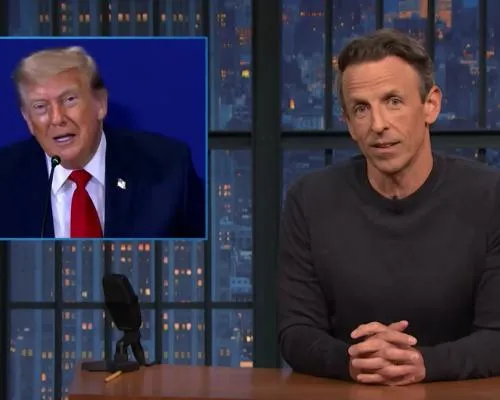 Seth Meyers Criticizes Trump’s Bizarre Priorities on Late Night Show
Seth Meyers on Late Night criticized Donald Trump’s focus on obscure issues like sperm counts and magnets during his presidency.
-
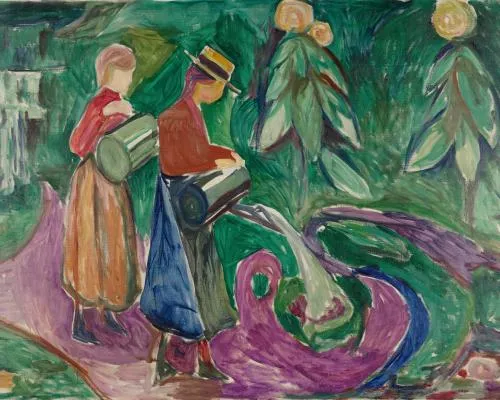 The Art of Advocacy: Exploring Edvard Munch’s Freia Frieze in Oslo
Exhibition examines Edvard Munch’s Freia frieze, revealing hidden intentions behind public art commissioned for a chocolate factory.


