- Air quality warnings remain in place across much of the United States.
- Conditions expected to improve by Sunday due to potential thunderstorms.
- Health concerns and impacts on major events persist despite ongoing efforts.
Current Conditions Across the Country
As of Saturday, air quality warnings are still in place across significant portions of the United States, largely due to persistent wildfire smoke originating from Ontario, Canada, and parts of Minnesota. This smoke has caused visibility issues and breathing difficulties in many regions, with some parts enduring poor air quality until late Saturday afternoon.
Potential Relief on Sunday
While conditions are expected to remain challenging throughout much of the day, there is a high chance of thunderstorms developing in the mid-Atlantic and north-eastern parts of the country. These storms could bring some relief by reducing smoke levels; however, they also come with associated risks such as flash flooding and high winds.
Impact on Upcoming Events
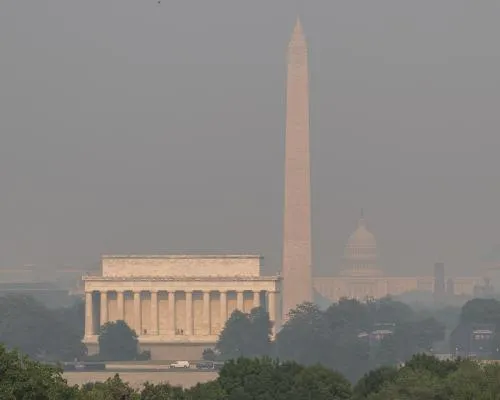
The potential for improved air quality on Sunday raises hopes for the World Cup final in New Jersey, where Spain will face Argentina. Officials have stated that conditions should be more favorable by then; however, people are advised to take precautions and limit outdoor activities until air quality improves.
Long-Term Health Concerns
The prolonged exposure to smoky conditions poses significant health risks, particularly for vulnerable groups such as those with pre-existing heart or lung diseases, older adults, pregnant women, and children. Long-term effects can include respiratory illnesses, cardiovascular and neurological diseases, and even premature death.
Widespread Impact of Wildfire Smoke
Out-of-control wildfires continue to burn in Ontario as well as the Boundary Waters canoe area wilderness in Minnesota, which US officials have closed as they fight to put out the blazes. For much of the past week, tens of millions of people across Canada and the US have been breathing in unhealthy air, which has triggered everything from eye irritation to the temporary shuttering of some businesses to the cancellation of many outdoor events.
Specific Regions Affected
On Friday, communities in Minnesota, Illinois, Michigan, and the US north-east, including Detroit and Washington DC, registered some of the worst air quality in the world. Skies remained a hazy orange hue for much of the day, with IQAir, an air-quality monitoring website, recording particularly poor conditions.
Official Responses and Public Health Advisories
To address these concerns, officials in New York, New Jersey, Pennsylvania, and other north-eastern states have distributed free K95 face masks for people to wear if they had to go outside. These measures aim to provide at least some protection against the particulate matter present in the smoke.
Health Risks and Scientific Insights
Long-term exposure to smoky conditions can complicate existing health problems and lead to chronic and deadly issues, including respiratory illness, cardiovascular and neurological diseases, and premature death. Wildfire smoke is linked to tens of thousands of deaths each year, and scientists estimate that the human-driven climate crisis is responsible for a growing share of them.
Conclusion
The ongoing wildfire smoke event highlights the urgent need for both immediate relief measures and long-term strategies to mitigate the risks associated with such events. While some regions may see temporary improvements, the overall impact on public health remains severe, underscoring the critical importance of continued vigilance and preparedness in response to these environmental challenges.
Source: The Guardian

Guardian News World
565 posts
-
 Dodgers' World Series Triumph Sparks Mixed Feelings Among LA Fans
LA Dodgers' World Series win sparks mixed feelings among fans, particularly those from immigrant communities. The team's controversial ties to immigration detention centers complicate support, while the upcoming White House visit raises ethical questions.
-
 US Politics Live: Key Events and Developments
Key political developments in the US, including an Arizona governor race, trade tensions with Canada, and scrutiny of ICE vehicle assault claims.
-
 U.S. Continues Intensified Strikes Against Iran Amid Diplomatic Fears
The United States continues its military strikes against Iran amid growing tensions and new threats from President Trump targeting key nuclear sites.
-
 US intensifies military action against Iran amid renewed threats
The US military intensifies its operations against Iran while President Trump threatens further attacks on a key nuclear site, exacerbating regional tensions.
-
 Trung Quốc, Philippines chỉ trích nhau sau vụ đụng độ ở Biển Đông: Ai là bên khiêu khích?
Một vụ đụng độ giữa hải cảnh Trung Quốc và lực lượng Philippines tại bãi Cỏ Mây đã dẫn đến sự chỉ trích lẫn nhau của hai nước. Các bên cáo buộc hành động khiêu khích và bóp méo sự thật trong các tuyên bố.
-
 Ex-Conservative Minister Ann Widdecombe Charged with Murder
Ex-Conservative Minister Ann Widdecombe was found dead after being attacked with a hammer at her home in Devon. Joshua Kerry faces murder charges following an investigation that remains under scrutiny.
-
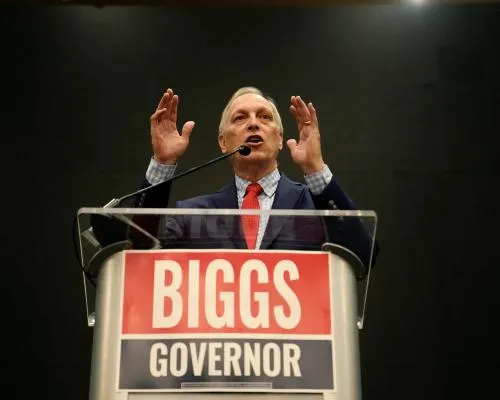 Arizona Republicans Nominate Andy Biggs for Governor in Contested Midterms
Republican Andy Biggs is set to challenge Democrat Katie Hobbs for governor in a highly contested race that reflects broader national trends and political climates.
-
 Central Park Carriage Industry Faces Growing Pressure for Ban
A proposal to ban Central Park's horse-drawn carriages has gained momentum after a tragic accident involving a tourist.
-
 Russia Launches Major Missile Attack on Kyiv and Other Ukrainian Cities
Russia launches one of its biggest missile attacks on Kyiv and other Ukrainian cities, causing damage and casualties while continuing to target civilian infrastructure.
-
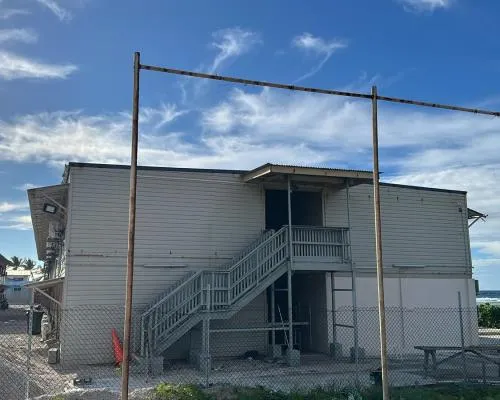 Australian asylum seekers on Nauru face severe food shortages despite government spending
Asylum seekers in Nauru face severe food shortages despite the Australian government spending over $9 million per person annually.
-
 Giây phút Iskander-M tập kích 'tổ hợp tên lửa Thần biển' Ukraine: Video công bố từ UAV
Bài viết cung cấp thông tin chi tiết về vụ việc Nga công bố video tên lửa Iskander-M tập kích tổ hợp phòng thủ bờ Neptune của Ukraine. Đưa ra các thông số kỹ thuật của tên lửa Neptune và phân tích về tầm ảnh hưởng của sự ki??


