- Tehran responds to US strikes by targeting allied nations like Qatar and Kuwait.
- US intelligence reports suggest Iran retains 70% of its prewar missile stockpile despite bombing campaign.
- Continued military escalation risks international condemnation and could lead to dangerous retaliation in the Gulf.
Background to the Story
The conflict between Iran and the United States has escalated for six consecutive nights, with both sides displaying a willingness to engage in high-intensity attacks. The latest wave of US strikes, involving missiles launched from various military assets like jets, drones, and warships, targeted Iranian ports and strategic locations such as highways and bridges near Bandar Abbas. In response, Iran launched retaliatory attacks against its perceived allies, including Qatar, Bahrain, and particularly Kuwait.
Iran's Persistent Capabilities
Despite the claims of significant military damage by US forces during a 38-day bombing campaign in spring, US intelligence reports indicate that Iran has managed to retain substantial operational capability. According to leaked assessments, about 70% of Iran’s prewar missile stockpile and launchers were still active as recently as May.
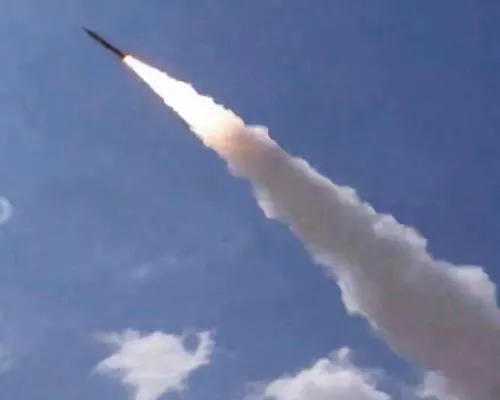
These findings challenge the narrative presented by President Trump, who claimed a 91% reduction in Iranian weapons. The persistence of these capabilities suggests that while destruction can occur on a surface level through airstrikes, disabling underground or concealed facilities is far more difficult and time-consuming.
Impact on Oil Markets and Regional Stability
The ongoing conflict has had noticeable impacts on regional stability and oil prices. Two oil tankers were hit by missiles in the Gulf of Oman, leading to a reduction in daily transit through the Strait of Hormuz to three by Thursday – the lowest since May. The price of Brent crude oil also saw a significant increase from $75.50 to $82.
The US has reimposed its own blockade in the Gulf of Oman, with limited success. The challenge for both sides now lies in how they navigate potential military escalation without causing widespread disruption or inviting international condemnation.
Future Prospects and Dangers
A White House official has noted that while there is no clear strategy to de-escalate the situation, a frustrated US may explore more aggressive tactics. However, such actions could invite international criticism as they might be deemed war crimes.
The possibility of Iran further retaliating against US interests or allies remains high, especially with reports of strikes on critical infrastructure like desalination plants in Kuwait. The complexity and interconnected nature of the conflict suggest that any escalation is likely to be fraught with risks for both sides.
Experts like Michael Carpenter highlight the potential for a shorter but equally intense cycle of military action as compared to earlier engagements, due to the depleted resources on both sides. However, the underlying issue – whether either party can deliver a decisive victory without unacceptable costs – remains unresolved.
Source: The Guardian

Guardian News World
565 posts
-
 Dodgers' World Series Triumph Sparks Mixed Feelings Among LA Fans
LA Dodgers' World Series win sparks mixed feelings among fans, particularly those from immigrant communities. The team's controversial ties to immigration detention centers complicate support, while the upcoming White House visit raises ethical questions.
-
 US Politics Live: Key Events and Developments
Key political developments in the US, including an Arizona governor race, trade tensions with Canada, and scrutiny of ICE vehicle assault claims.
-
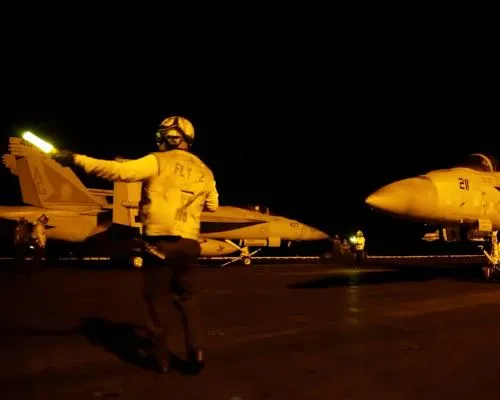 U.S. Continues Intensified Strikes Against Iran Amid Diplomatic Fears
The United States continues its military strikes against Iran amid growing tensions and new threats from President Trump targeting key nuclear sites.
-
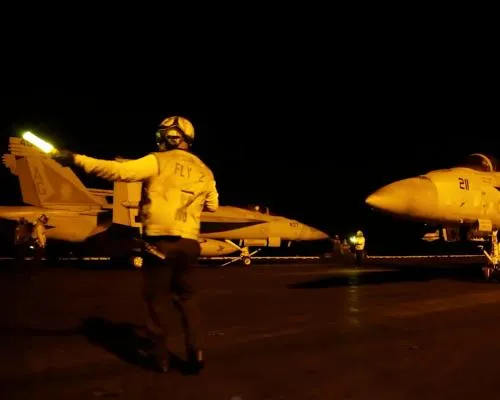 US intensifies military action against Iran amid renewed threats
The US military intensifies its operations against Iran while President Trump threatens further attacks on a key nuclear site, exacerbating regional tensions.
-
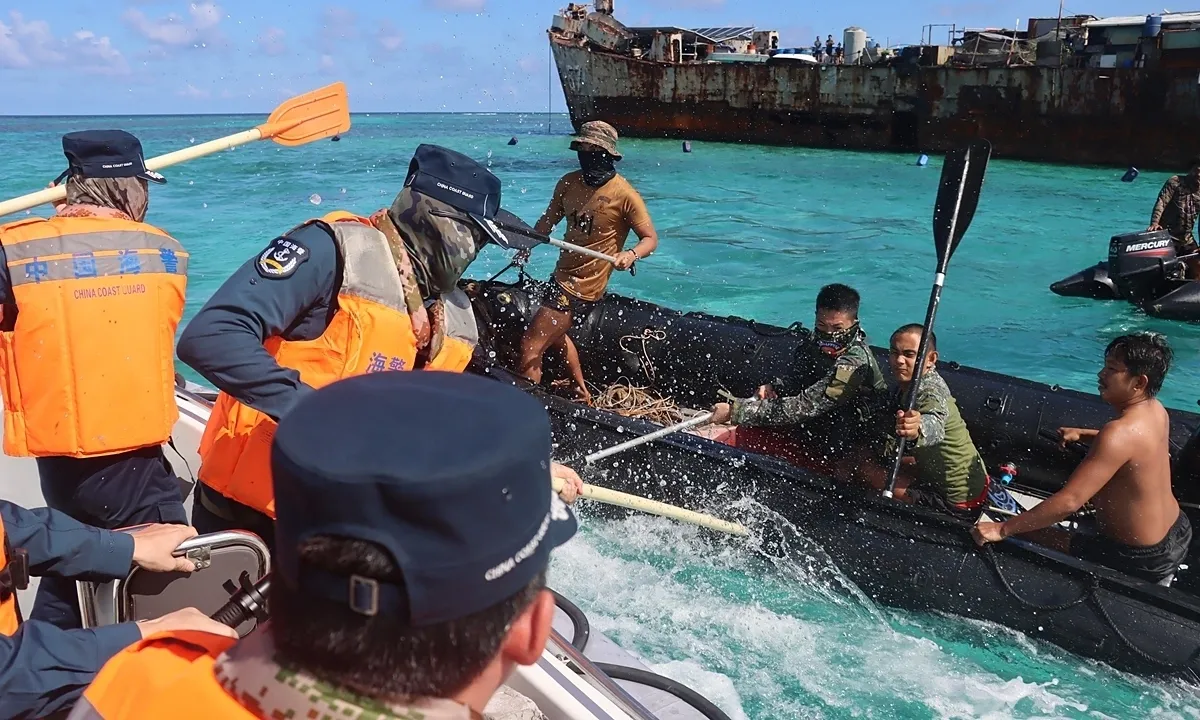 Trung Quốc, Philippines chỉ trích nhau sau vụ đụng độ ở Biển Đông: Ai là bên khiêu khích?
Một vụ đụng độ giữa hải cảnh Trung Quốc và lực lượng Philippines tại bãi Cỏ Mây đã dẫn đến sự chỉ trích lẫn nhau của hai nước. Các bên cáo buộc hành động khiêu khích và bóp méo sự thật trong các tuyên bố.
-
 Ex-Conservative Minister Ann Widdecombe Charged with Murder
Ex-Conservative Minister Ann Widdecombe was found dead after being attacked with a hammer at her home in Devon. Joshua Kerry faces murder charges following an investigation that remains under scrutiny.
-
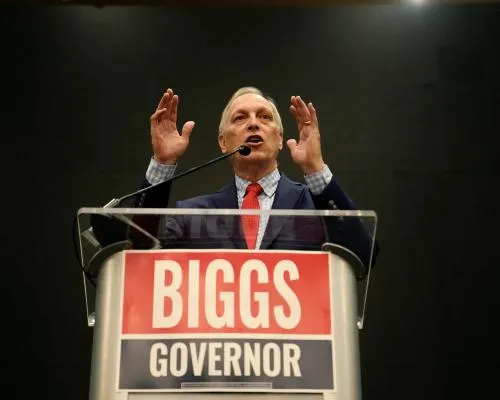 Arizona Republicans Nominate Andy Biggs for Governor in Contested Midterms
Republican Andy Biggs is set to challenge Democrat Katie Hobbs for governor in a highly contested race that reflects broader national trends and political climates.
-
 Central Park Carriage Industry Faces Growing Pressure for Ban
A proposal to ban Central Park's horse-drawn carriages has gained momentum after a tragic accident involving a tourist.
-
 Russia Launches Major Missile Attack on Kyiv and Other Ukrainian Cities
Russia launches one of its biggest missile attacks on Kyiv and other Ukrainian cities, causing damage and casualties while continuing to target civilian infrastructure.
-
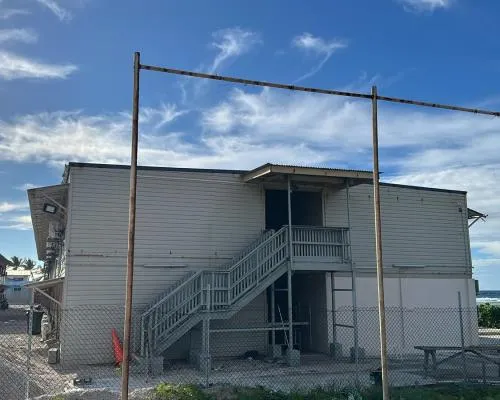 Australian asylum seekers on Nauru face severe food shortages despite government spending
Asylum seekers in Nauru face severe food shortages despite the Australian government spending over $9 million per person annually.
-
 Giây phút Iskander-M tập kích 'tổ hợp tên lửa Thần biển' Ukraine: Video công bố từ UAV
Bài viết cung cấp thông tin chi tiết về vụ việc Nga công bố video tên lửa Iskander-M tập kích tổ hợp phòng thủ bờ Neptune của Ukraine. Đưa ra các thông số kỹ thuật của tên lửa Neptune và phân tích về tầm ảnh hưởng của sự ki??


