Australian asylum seekers on Nauru face severe food shortages despite government spending

- Asylum seekers on Nauru report not being able to afford enough food, even though the Australian government spends over $9m per person annually.
- The Australian government’s $260 fortnightly allowance is insufficient to cover basic needs like clean drinking water and food.
- People are resorting to fishing but often face theft of their equipment and supplies.
Food shortages persist for asylum seekers
A new survey by the Asylum Seeker Resource Centre (ASRC) reveals that most refugees and asylum seekers in Nauru’s detention centers cannot afford enough food, despite the Australian government spending over $9 million per individual each year. The group of more than 100 people, who have been stranded on the tiny Pacific island for an average of two years, have reported skipping meals to make ends meet.
Insufficient funds and rising costs
The ASRC’s survey, conducted between February and April, found that all but one respondent stated that the $260 fortnightly allowance provided by the government was not enough for their basic needs. The minimum 28GB monthly data plan with Digicel, Australia's main internet provider, costs around $112, nearly 20% of the monthly stipend.
Struggling with high prices and shortages
Rakib, a 20-something-year-old asylum seeker from Bangladesh who has been on Nauru for over two years, describes his situation as dire. ‘I think it would be better if they kill us, or if we die,’ he says through a translator. ‘Because you know, like when you die, you get peace.’ The cost of basic food items such as tomatoes and capsicums has increased by up to three times their Australian prices. Additionally, the scarcity of affordable staples like rice poses a significant challenge.
Despite these issues, Rakib reports that people are trying to supplement their diet through fishing but face theft of their gear. ‘We bought a fishing net to try and supplement the food but our nets were stolen and broken three times,’ he explains. ‘We had put the net outside due to the smell, and local Nauruans came and stole it.’
Government response and human rights concerns
A home affairs spokesperson states that the allowance is reviewed regularly to ensure its adequacy based on the local cost of living and aims to promote self-sufficiency. However, critics argue that these measures are insufficient, as evidenced by the survey findings.
The ASRC’s deputy chief executive, Jana Favero, asserts that “the offshore detention system is completely broken” and fails to meet basic standards of safety and human dignity. She adds, “We know we are responsible and that this system destroys people's physical and mental health.”
Source: The Guardian
Guardian News World
565 posts
-
 U.S. Continues Intensified Strikes Against Iran Amid Diplomatic Fears
The United States continues its military strikes against Iran amid growing tensions and new threats from President Trump targeting key nuclear sites.
-
 US intensifies military action against Iran amid renewed threats
The US military intensifies its operations against Iran while President Trump threatens further attacks on a key nuclear site, exacerbating regional tensions.
-
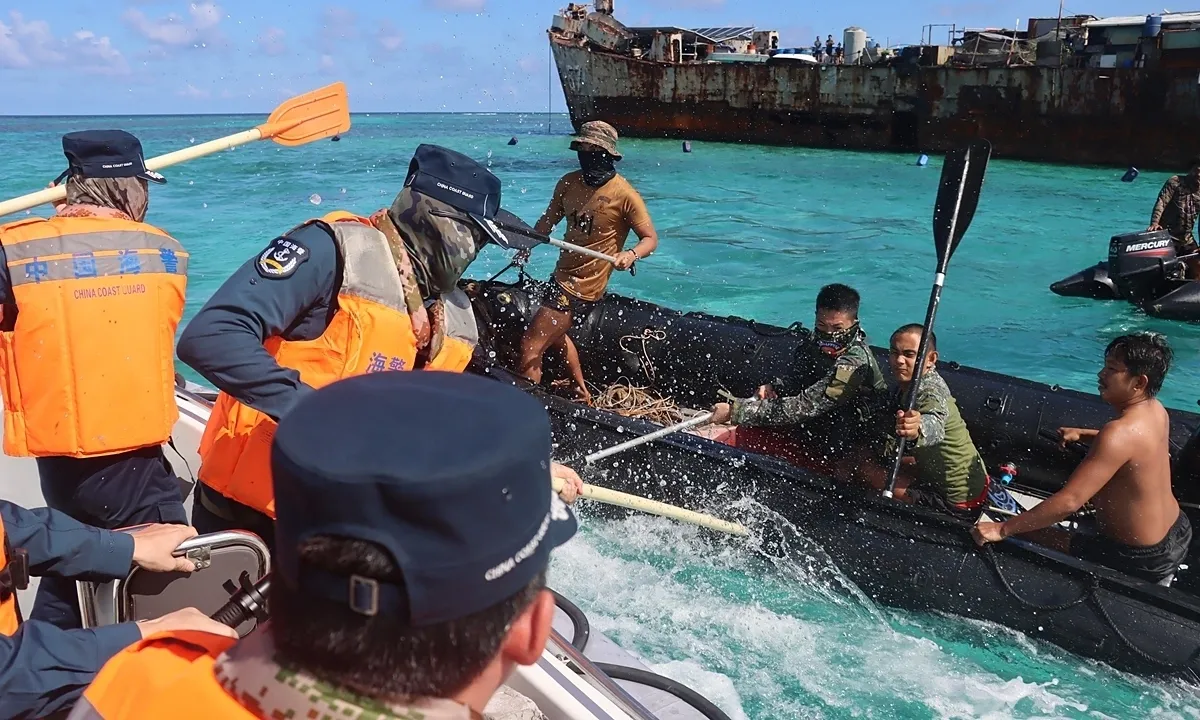 Trung Quốc, Philippines chỉ trích nhau sau vụ đụng độ ở Biển Đông: Ai là bên khiêu khích?
Một vụ đụng độ giữa hải cảnh Trung Quốc và lực lượng Philippines tại bãi Cỏ Mây đã dẫn đến sự chỉ trích lẫn nhau của hai nước. Các bên cáo buộc hành động khiêu khích và bóp méo sự thật trong các tuyên bố.
-
 Ex-Conservative Minister Ann Widdecombe Charged with Murder
Ex-Conservative Minister Ann Widdecombe was found dead after being attacked with a hammer at her home in Devon. Joshua Kerry faces murder charges following an investigation that remains under scrutiny.
-
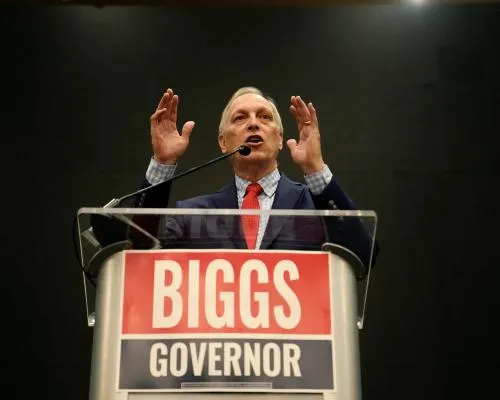 Arizona Republicans Nominate Andy Biggs for Governor in Contested Midterms
Republican Andy Biggs is set to challenge Democrat Katie Hobbs for governor in a highly contested race that reflects broader national trends and political climates.
-
 Central Park Carriage Industry Faces Growing Pressure for Ban
A proposal to ban Central Park's horse-drawn carriages has gained momentum after a tragic accident involving a tourist.
-
 Russia Launches Major Missile Attack on Kyiv and Other Ukrainian Cities
Russia launches one of its biggest missile attacks on Kyiv and other Ukrainian cities, causing damage and casualties while continuing to target civilian infrastructure.
-
 Giây phút Iskander-M tập kích 'tổ hợp tên lửa Thần biển' Ukraine: Video công bố từ UAV
Bài viết cung cấp thông tin chi tiết về vụ việc Nga công bố video tên lửa Iskander-M tập kích tổ hợp phòng thủ bờ Neptune của Ukraine. Đưa ra các thông số kỹ thuật của tên lửa Neptune và phân tích về tầm ảnh hưởng của sự ki??
-
 Ukraine Protests Spread After Fedorov’s Dismissal; Zelenskyy Seeks Poland Reconciliation
Protests continue against the dismissal of Ukraine’s Defence Minister, Mykhailo Fedorov, while President Volodymyr Zelenskyy seeks to mend ties with Poland. Drone attacks and Russian military strikes further escalate the conflict.
-
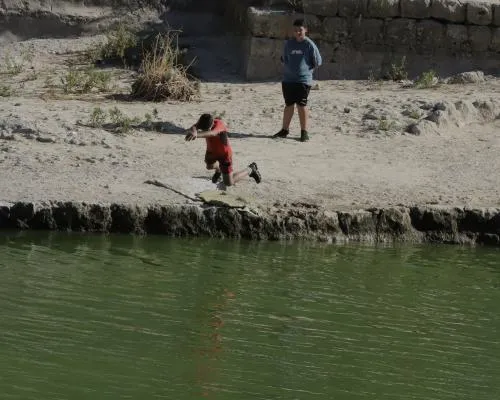 Ancient Water Reservoirs Near Bethlehem Face Israeli Seizure Threat
Israel threatens to seize ancient water reservoirs near Bethlehem, a move that could set a precedent for broader erosion of Palestinian control over historical sites.


