Voices from the Sea: The Impact of Middle East Conflict on Maritime Workers and Port Staff

- Maritime routes in the Middle East, including the Strait of Hormuz, are experiencing disruptions due to ongoing conflict.
- Donald Trump has announced a naval blockade on Iran and increased tariffs on cargoes passing through the strait.
- The Guardian is seeking input from maritime workers, port staff, shipping crews, and their families about how the situation affects their lives.
Disruptions in Maritime Routes
The conflict in the Middle East continues to disrupt shipping across the region, including in the strait of Hormuz, one of the world’s busiest maritime routes. The strait is crucial for global trade as it handles approximately a fifth of the world's oil supplies and sees over 15 million barrels of crude oil pass through each day.
Government Announcements and Measures
In response to the conflict, U.S. President Donald Trump has once again threatened to take control of the Strait of Hormuz, as he announced the reimposition of a naval blockade on Iran and demanded a 20% tariff on all cargoes shipped through the key maritime passage. These measures are intended to exert pressure on Iran while also affecting commercial activities in the region.
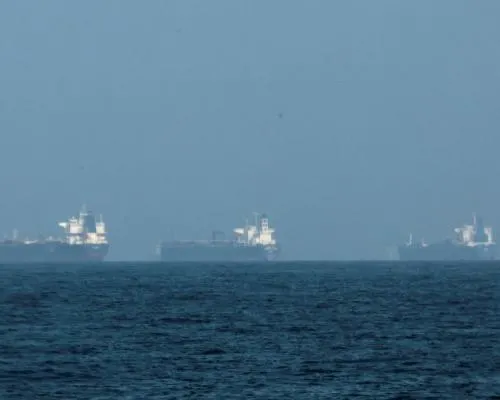
According to industry experts, these tariffs could significantly increase costs for companies relying on Middle Eastern oil imports. For instance, the cost of shipping a single barrel of crude oil from the Persian Gulf to Europe could rise by around $20 per barrel due to the additional taxes imposed under the new tariff regime.
Calls for Input from Maritime Communities
The Guardian is reaching out to those directly involved in maritime operations and their families, seeking first-hand accounts of how the current situation is impacting their work and personal lives. The publication aims to gather insights from maritime workers, port staff, shipping crews, and their loved ones who are affected by these changes.
One such individual is John Smith, a tanker captain whose vessel was recently detained in the Strait of Hormuz due to concerns over potential Iranian sanctions violations. Speaking about his experience, he said: 'The uncertainty we face now is unprecedented. The last few weeks have been particularly challenging as every decision we make on board now has to be carefully considered.'
Port staff at the nearby Jebel Ali Free Zone in Dubai are also reporting increased stress levels due to heightened security measures and longer queues for vessels passing through the strait. Maria Rodriguez, a port operations manager, noted: 'The extra checks and inspections have significantly slowed down our throughput rates, impacting our ability to serve our clients effectively.'
Maritime communities worldwide are watching closely as these developments unfold. The International Chamber of Shipping has called for a de-escalation in tensions, stating that the Strait of Hormuz is too important to be used as a battleground.
Conclusion
The ongoing conflict and its associated measures have far-reaching implications beyond just the immediate region. The global economy stands to suffer from any prolonged disruption in this vital shipping lane, making it crucial for all parties involved to find diplomatic solutions that can restore stability and ensure uninterrupted trade flows.
Source: The Guardian
Business Daily
298 posts
-
 PNJ giãn tiến độ thanh toán với khách bán vàng, bạc: 5 điểm chính
PNJ thay đổi phương thức thanh toán khi thu lại sản phẩm từ khách hàng, kéo dài đến 120 ngày. Khách có thể chọn đổi sang sản phẩm khác để nhận chiết khấu.
-
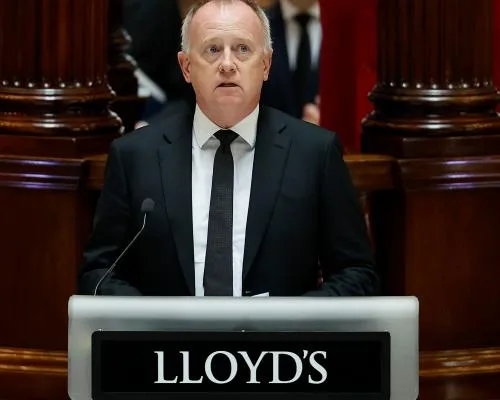 Lloyd's of London Czar John Neal Faced Conflict of Interest Allegations Over Close Relationship
Lloyd's of London has concluded its investigation into former CEO John Neal’s undisclosed close relationship with his female colleague Rebekah Clement, finding it could have created a conflict of interest.
-
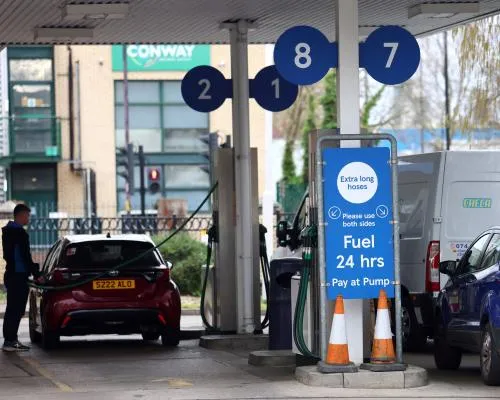 Oil Price Surge and Economic Update: Tensions Escalate Amid US-Iran Conflict
Oil prices hit $95 per barrel amid escalating US-Iran conflict and potential rise of core inflation in the UK. Analysts predict oil could reach over $120 by year-end.
-
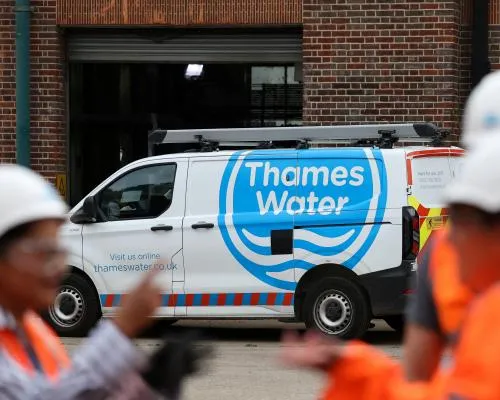 Thames Water Investors Prepare for Potential Nationalization Amid New PM’s Plans
Investors in Thames Water are preparing for potential legal battles as the company faces significant debt issues, while also seeking discussions with the incoming prime minister's government about enhanced public control.
-
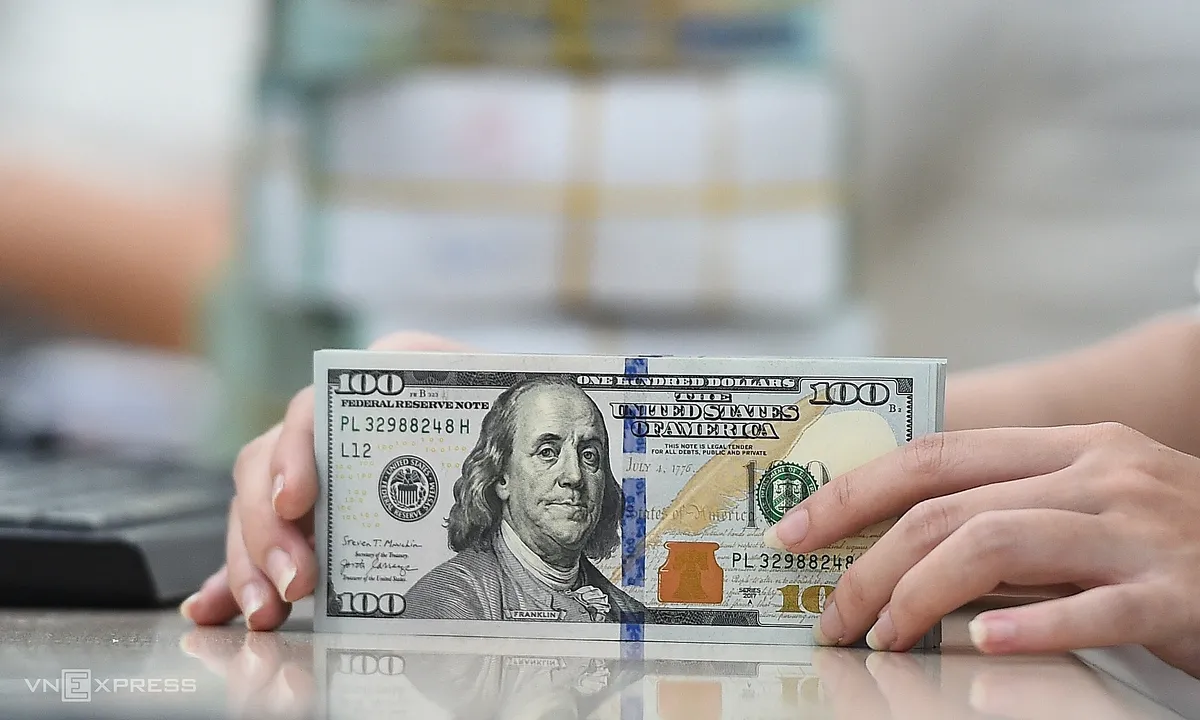 Tỷ giá trung tâm cao nhất 11 tháng, 'chợ đen' giảm do đầu cơ hạ nhiệt
Tỷ giá trung tâm neo cao nhất 11 tháng, song tỷ giá tự do giảm sâu. Phân tích từ chuyên gia cho thấy biến động này là kết quả giữa chiến lược điều hành chủ động và cung cầu thực tế của Ngân hàng Nhà nước.
-
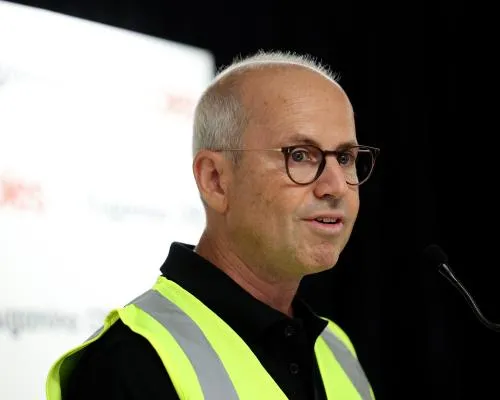 Ocado's Steiner Defends Future Role Amid Succession Speculation
Ocado's CEO Tim Steiner defends his future role amid succession speculation as the company faces reduced profits and boardroom tensions.
-
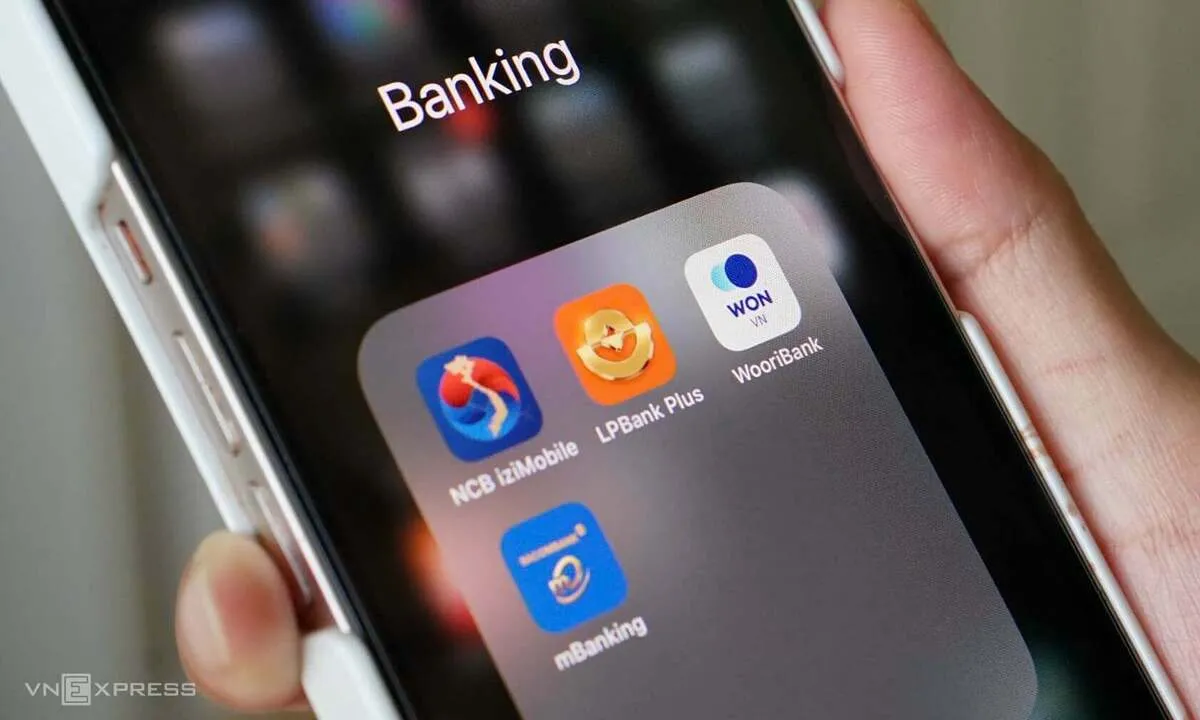 Tài khoản 'ngủ đông' bị đóng: Nhiều ngân hàng lên tiếng
Tài khoản 'ngủ đông' bị đóng: Nhiều ngân hàng thông báo chính sách mới, áp dụng quy định từ Ngân hàng Nhà nước nhằm quản lý hiệu quả hơn.
-
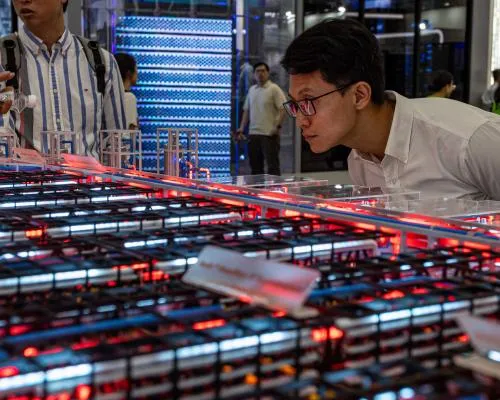 Tech Stocks Plunge Amid Global Economic Turmoil
Global tech stocks plunge amid market volatility driven by chip sell-offs, rising oil prices, and geopolitical tensions.
-
 British Steel Nationalized as Government Aims to Secure Domestic Supply
The UK government has nationalized British Steel, the last producer of primary steel from iron ore in the country, to protect jobs and secure domestic supply.
-
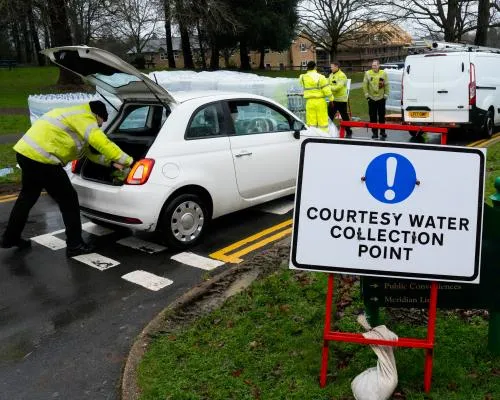 South East Water Faces Uncertain Future Amid Financial Struggles
South East Water faces material uncertainty over its future amid severe financial struggles and service outages. The utility needs new loan facilities by July 2027 to continue operations, but funding discussions are not yet legally committed.
-
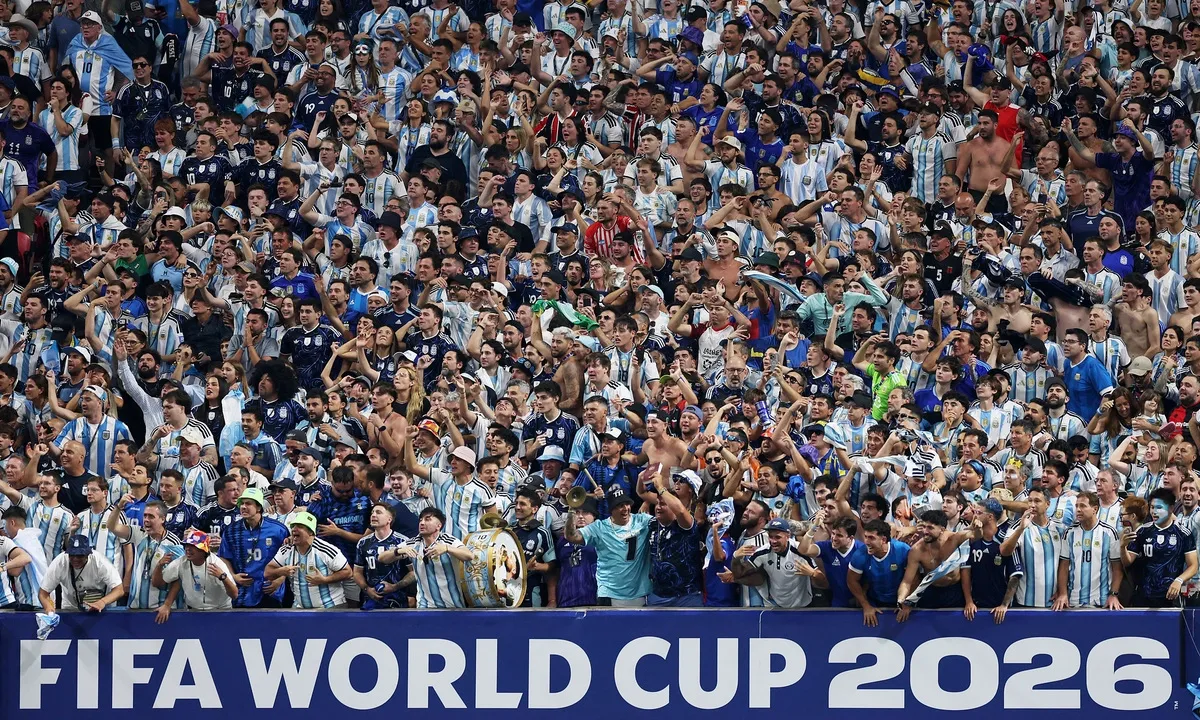 Mua vé World Cup thắng lớn của FIFA: Canh bạc cao ngất thất bại hay thành công?
FIFA đã đặt cược vào việc bán vé World Cup đắt đỏ và cuối cùng cũng thành công lớn, xóa tan lo ngại về ế ẩm dù tình hình bất ổn tại Mỹ. Canh bạc này đã chứng minh sự hiểu biết sâu sắc về thị trường của FIFA.


