- British Steel, last producer of primary steel in the UK, taken into public ownership.
- Government steps in to prevent closure and potential loss of 4,000 jobs at Scunthorpe factory.
- Prime Minister Keir Starmer says decision secures industrial strength and national security.
- Nationalisation expected to pave way for modernization and green steel production.
Overview of British Steel’s Nationalization
The government has formally taken control of British Steel, the UK's last producer of primary steel from iron ore, after a 15-month period under temporary management. This move comes as part of an emergency action to prevent the Scunthorpe factory's closure and the loss of approximately 4,000 jobs.
Background and Reasoning
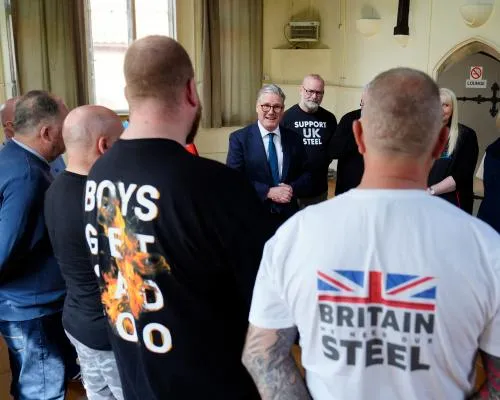
In April last year, Jingye, the Chinese owner, threatened to walk away without taking steps to preserve the blast furnaces in Lincolnshire. This risked shutting down Britain’s only remaining primary steel producer, making the government step in with an emergency recall of parliament under the Steel Industry (Nationalisation) Act. The UK's economic and industrial landscape would have been significantly impacted by such a closure, given that British Steel produces vital long products like rails and girders—essential for the country's security and growth.
Keir Starmer, then Prime Minister, emphasized: 'British Steel is part of the fabric of our nation and a cornerstone of Britain’s industrial strength.' This nationalization ensures the survival of the UK’s steelmaking capability. The government faced considerable pressure from Jingye, who argued that British Steel was a valuable asset worthy of large compensation. However, extensive discussions failed to reach an agreement that would both protect the future of the company and provide value for taxpayers.
Union Response and Government Plans
The decision has been met with relief by unions representing steelworkers, who are grateful for the government's intervention. Alasdair McDiarmid from Community praised it as 'helping to safeguard thousands of jobs.' Peter Kyle, the business secretary, highlighted that the move is crucial to avoid dependency on international markets and maintain industrial resilience.
Gareth Stace, director general of UK Steel, pointed out that British Steel produces vital long products like rails and girders. These are essential for the country's security and growth. The next government will face tough decisions regarding investment in modernizing facilities and transitioning to green steel production. Andy Burnham is expected to take over as prime minister next week, and the nationalisation decision will not be his last difficult one. British Steel’s ageing blast furnaces must be replaced, and a decarbonisation plan to install much less-polluting electric arc furnaces is likely to cost well over a billion pounds.
Conclusion
The nationalization of British Steel under the new government powers represents a significant step towards safeguarding the UK’s industrial strength. While it brings relief and promises a future for thousands of jobs, the challenges ahead are immense. Ensuring that this plant remains competitive in the long term while transitioning to green steel production will require careful planning and substantial investment. The next government must prioritize restoring British Steel to commercial sustainability and securing the necessary financial support for its modernization.
Sources: The Guardian, BBC

Business Daily
298 posts
-
 PNJ giãn tiến độ thanh toán với khách bán vàng, bạc: 5 điểm chính
PNJ thay đổi phương thức thanh toán khi thu lại sản phẩm từ khách hàng, kéo dài đến 120 ngày. Khách có thể chọn đổi sang sản phẩm khác để nhận chiết khấu.
-
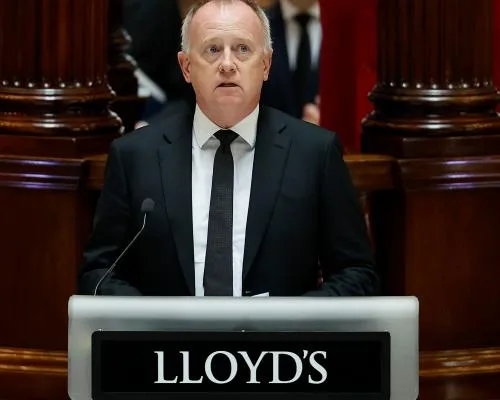 Lloyd's of London Czar John Neal Faced Conflict of Interest Allegations Over Close Relationship
Lloyd's of London has concluded its investigation into former CEO John Neal’s undisclosed close relationship with his female colleague Rebekah Clement, finding it could have created a conflict of interest.
-
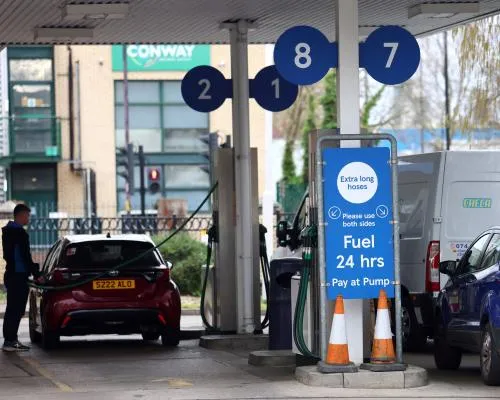 Oil Price Surge and Economic Update: Tensions Escalate Amid US-Iran Conflict
Oil prices hit $95 per barrel amid escalating US-Iran conflict and potential rise of core inflation in the UK. Analysts predict oil could reach over $120 by year-end.
-
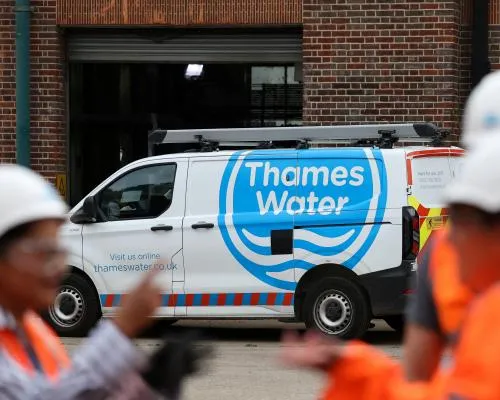 Thames Water Investors Prepare for Potential Nationalization Amid New PM’s Plans
Investors in Thames Water are preparing for potential legal battles as the company faces significant debt issues, while also seeking discussions with the incoming prime minister's government about enhanced public control.
-
 Tỷ giá trung tâm cao nhất 11 tháng, 'chợ đen' giảm do đầu cơ hạ nhiệt
Tỷ giá trung tâm neo cao nhất 11 tháng, song tỷ giá tự do giảm sâu. Phân tích từ chuyên gia cho thấy biến động này là kết quả giữa chiến lược điều hành chủ động và cung cầu thực tế của Ngân hàng Nhà nước.
-
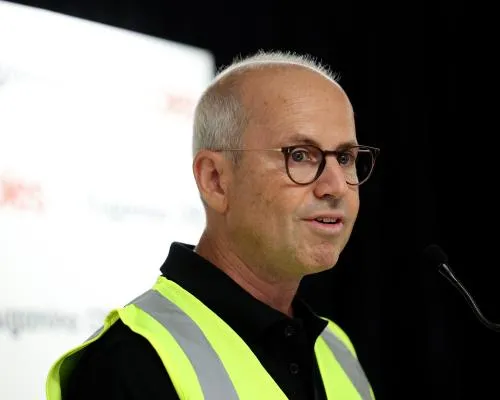 Ocado's Steiner Defends Future Role Amid Succession Speculation
Ocado's CEO Tim Steiner defends his future role amid succession speculation as the company faces reduced profits and boardroom tensions.
-
 Tài khoản 'ngủ đông' bị đóng: Nhiều ngân hàng lên tiếng
Tài khoản 'ngủ đông' bị đóng: Nhiều ngân hàng thông báo chính sách mới, áp dụng quy định từ Ngân hàng Nhà nước nhằm quản lý hiệu quả hơn.
-
 Tech Stocks Plunge Amid Global Economic Turmoil
Global tech stocks plunge amid market volatility driven by chip sell-offs, rising oil prices, and geopolitical tensions.
-
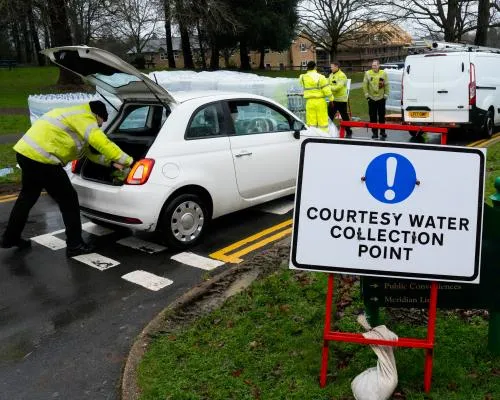 South East Water Faces Uncertain Future Amid Financial Struggles
South East Water faces material uncertainty over its future amid severe financial struggles and service outages. The utility needs new loan facilities by July 2027 to continue operations, but funding discussions are not yet legally committed.
-
 Mua vé World Cup thắng lớn của FIFA: Canh bạc cao ngất thất bại hay thành công?
FIFA đã đặt cược vào việc bán vé World Cup đắt đỏ và cuối cùng cũng thành công lớn, xóa tan lo ngại về ế ẩm dù tình hình bất ổn tại Mỹ. Canh bạc này đã chứng minh sự hiểu biết sâu sắc về thị trường của FIFA.


