In industries such as oil and gas, chemical manufacturing, and storage terminals, managing volatile organic compounds (VOCs) and hazardous emissions is crucial. Vapor Recovery Units (VRUs) play a pivotal role in capturing these vapors, reducing environmental impact, and improving operational efficiency. As environmental regulations tighten worldwide, VRUs have become indispensable for companies striving to meet compliance standards while optimizing resource recovery.
The Vapor Recovery Unit (VRU) market is witnessing substantial growth globally, fueled by increasing environmental regulations, industrial expansion, and the growing need to reduce volatile organic compound (VOC) emissions. As industries across oil & gas, petrochemicals, and storage terminals prioritize sustainability and resource recovery, VRUs have become critical in balancing environmental compliance with operational efficiency.
What is a Vapor Recovery Unit?
A Vapor Recovery Unit is a specialized system designed to capture vapors emitted during the storage, processing, and transportation of hydrocarbons and other volatile liquids. These vapors, if released untreated, contribute to air pollution, greenhouse gas emissions, and potential safety hazards. VRUs collect these vapors, compress and cool them, then recover the valuable hydrocarbons to be reused or sold, thus reducing losses and emissions.
How Do VRUs Work?

VRUs operate by drawing vapors from storage tanks, loading racks, or process equipment into a recovery system where vapors are compressed, cooled, and condensed. The recovered liquids are then routed back into the production process or storage tanks. Any remaining non-condensable gases are typically flared or treated to minimize emissions.
Key Benefits of Vapor Recovery Units
1. Environmental Compliance
VRUs significantly reduce VOC emissions and greenhouse gases, helping companies meet stringent environmental regulations such as the EPA’s New Source Performance Standards (NSPS) and other global emission mandates.
2. Resource Recovery and Cost Savings
By capturing valuable hydrocarbons that would otherwise be lost, VRUs enable operators to recover product volumes, improving profitability and reducing waste.
3. Improved Safety
Minimizing vapor releases reduces the risk of flammable atmospheres and potential explosions, enhancing operational safety.
4. Sustainability and Corporate Responsibility
Implementing VRUs aligns companies with sustainability goals and enhances their reputation as environmentally responsible operators.
Applications Across Industries
Oil & Gas Production and Storage: VRUs capture vapors from crude oil storage tanks, reducing emissions and recovering saleable hydrocarbons.
Petrochemical Plants: Prevent VOC emissions during chemical processing and storage.
Marine Terminals: Control vapor emissions during tanker loading/unloading.
Refineries: Capture vapors in various refining processes to minimize loss and pollution.
Market Trends and Future Outlook
The global VRU market is expected to grow steadily due to increasing regulatory pressures and industry focus on sustainability. Advances in compressor technology, automation, and monitoring systems are enhancing VRU efficiency and reliability. Integration with IoT and data analytics is enabling predictive maintenance and real-time emissions tracking, driving smarter environmental management.
Leading manufacturers like Gardner Denver, Dresser-Rand (Siemens), Atlas Copco, Ingersoll Rand, and John Zink Hamworthy Combustion continue to innovate, providing tailored VRU solutions for diverse industrial needs.
Conclusion
Vapor Recovery Units are essential technology for industries committed to reducing emissions, recovering valuable resources, and maintaining regulatory compliance. As global focus on environmental stewardship intensifies, VRUs will remain a critical component of sustainable industrial operations.

mahima jaiswal
5 posts
-
 Công nghệ chip trong bóng Trionda phát hiện va chạm đến mức nào
Chi tiết về công nghệ bóng Trionda trong World Cup 2026, cách hệ thống cảm biến quán tính IMU phát hiện va chạm chính xác hơn 100 lần mỗi giây.
-
 NASA triển khai robot cứu kính viễn vọngSwift trị giá 250 triệu USD
NASA triển khai robot để cứu kính viễn vọngSwift trị giá 250 triệu USD, đặt ra phương án tương lai cho hoạt động tương tự.
-
 Elon Musk's Social Media Focus on UK Race and Immigration Overshadows SpaceX IPO
An analysis of Elon Musk’s X posts reveals that he focused more on UK race and immigration during SpaceX’s IPO run-up than his own company.
-
 Mark Zuckerberg: CEO công nghệ với đam mê chăn nuôi 'thịt bò tốt nhất thế giới'
CEO Meta Mark Zuckerberg đầu tư vào dự án chăn nuôi để tạo ra loại thịt bò chất lượng cao nhất thế giới.
-
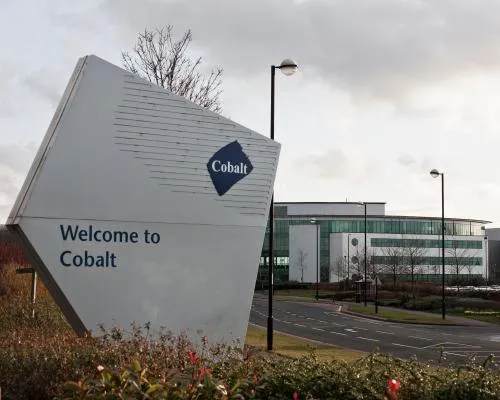 UK’s Stargate UK Datacentre Project: A Hyped but Hypothetical Investment
The Stargate UK datacentre project appears to be a largely hypothetical investment, with key partners failing to visit the proposed site. Local leaders question its feasibility and authenticity.
-
 Cảm biến bóng xác định việt vị: Thế nào để quyết định chính xác?
FIFA sử dụng cảm biến tích hợp trong quả bóng để xác định tình huống việt vị và đưa ra quyết định chính xác.
-
 Blue Origin tái cấu hình phóng sau vụ nổ New Glenn
Blue Origin chuyển cấu hình phóng sau vụ nổ New Glenn để tăng tần suất bay.
-
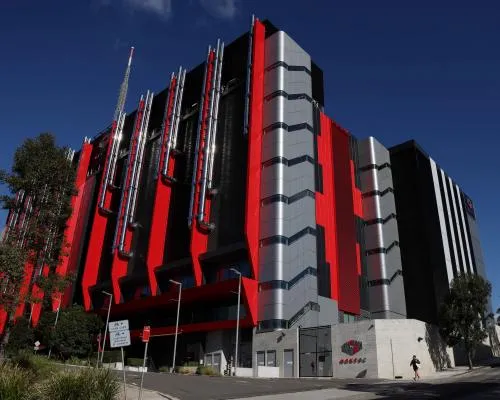 OpenAI's Sydney Office: NSW Government's Hesitation Amid AI Dystopia Fears
NSW government's cautious approach to OpenAI's Sydney office, balancing enthusiasm with environmental concerns.
-
 Vạn Lý Trường Thành Xanh: Trồng Cây Nhanh hơn Rừng Tự Nhiên
Dự án Vạn lý Trường thành Xanh trồng 66 tỷ cây xanh với tốc độ sinh trưởng nhanh hơn, hấp thụ CO2 hiệu quả hơn so với rừng tự nhiên.
-
 AI tools heighten risk for children: Experts urge parents to take caution
As AI tools become more sophisticated, children are at risk of having their photos used by predators to create explicit material. UK watchdogs advise parents to be cautious online.
-
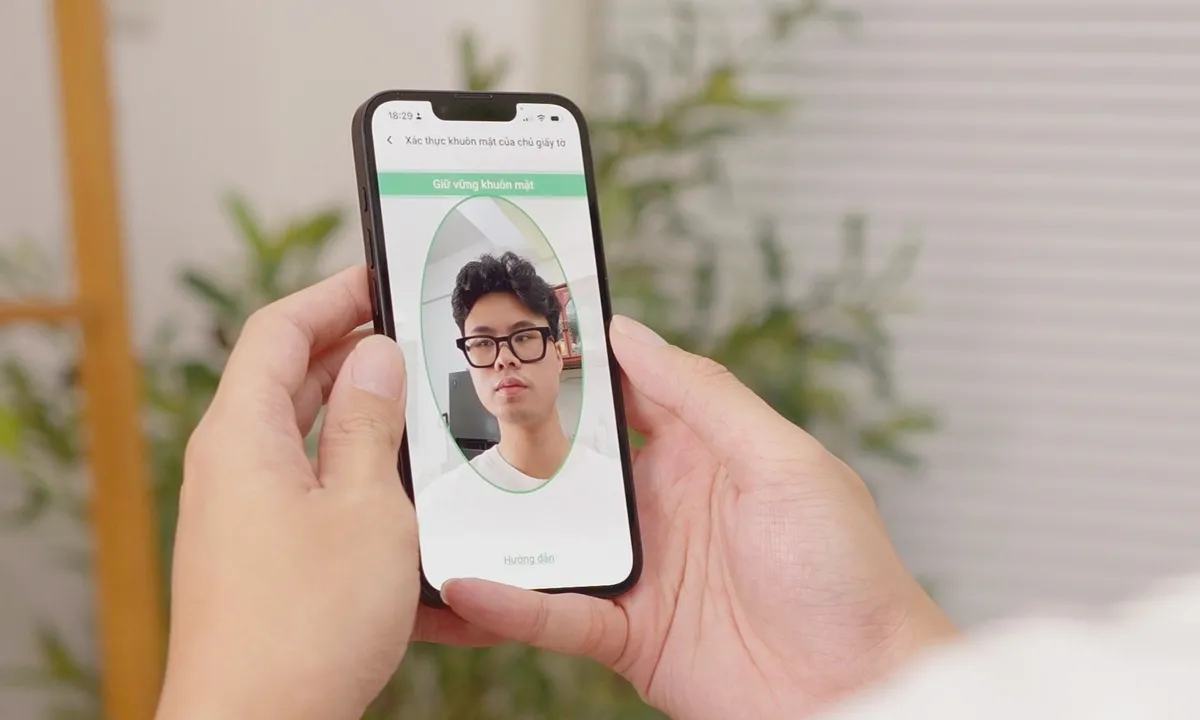 Phương thức xác thực khuôn mặt khi đổi SIM sang điện thoại mới
Bộ Khoa học và Công nghệ yêu cầu xác thực khuôn mặt khi đổi SIM sang máy mới để chống lại sử dụng SIM không chính chủ.


