- Mykhailo Fedorov, a tech-driven defense minister, was abruptly dismissed by President Zelenskyy.
- Fedorov’s removal has caused consternation and protests in Ukraine, as he had been seen as innovative and effective.
- The dismissal highlights ongoing tensions between reform-minded officials and traditional military leaders.
Key Figures Involved
The abrupt dismissal of Mykhailo Fedorov, Ukraine’s defense minister, at precisely the moment Kyiv appeared to be gaining advantages in several spheres of its war with Russia has exposed a troubling flaw in President Volodomyr Zelenskyy’s leadership. Born in 1986, just a year after Ukraine gained independence from Moscow, Fedorov was appointed as defense minister in January and quickly established himself as an advocate for technological innovations in warfare.
A former marketing executive with no military background, Fedorov was seen by many admirers as part of a generation unencumbered by the experience of Soviet bureaucracy. In contrast, General Oleksandr Syrski, who began his career as an artillery officer and is now 60 years old, is a graduate of Moscow’s higher combined arms command school. This conflict between an older, more traditional military leader and Fedorov's tech-driven, improvisational approach was inevitable given their differing ideas on how to fight the war.
Conflict Between Ideologies
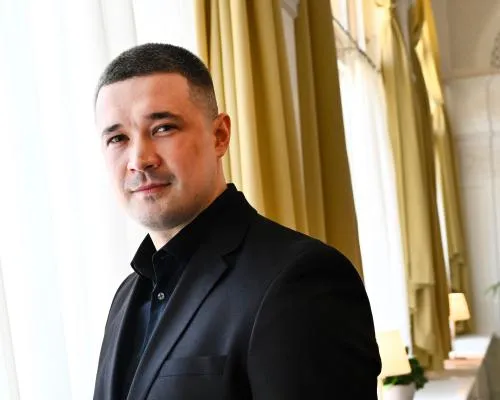
Fedorov’s emphasis on data-driven strategies and his innovative initiatives often clashed with Syrski's preference for more conventional methods. Fedorov had previously requested the replacement of General Syrski, highlighting the ongoing tension between their differing approaches to warfare. His supporters argue that his removal was a strategic move to prevent him from becoming a future political rival. For instance, during his tenure as minister of digital transformation, Fedorov played a crucial role in developing Ukraine’s highly effective drone programme.
A notable example of this conflict is the killing-for-points scheme he proposed, which aimed to reward the most effective army units. This initiative was dismissed by some military officers who viewed it skeptically. Additionally, Fedorov was credited with persuading Elon Musk to turn off unauthorised Russian Starlink access on the battlefield earlier this year, a move described by frontline troops as a significant advantage in their operations.
Reactions and Future Implications
The decision to dismiss Fedorov has sparked demonstrations in Ukraine and raised questions about the effectiveness of Zelenskyy’s team in managing high-level appointments. Despite Russian military blogs celebrating Fedorov's dismissal, President Zelenskyy appointed Yevhen Khmara as interim defense minister on August 12, indicating a continued focus on technological advancements. Khmara, who has experience in drone operations and was previously the head of Ukraine’s state security service’s Alpha unit, is seen as likely to continue many of Fedorov's initiatives.
Ukrainian officials and citizens alike are left questioning whether anyone can genuinely be empowered to lead the war effort effectively. The appointment of Khmara suggests that Fedorov’s tech-driven strategies may persist, but it also highlights the challenges faced by Zelenskyy in assembling a cohesive team.
With new defense ministers appointed frequently, the question remains: Can Ukraine overcome internal divisions to achieve long-term success against Russia? The dismissal of Fedorov has underscored the ongoing struggle between modernization and traditional military thinking. Despite the appointment of Khmara, there is concern that the tensions within Zelenskyy’s team may continue to affect the war effort.
Source: The Guardian

Guardian News World
563 posts
-
 Central Park Carriage Industry Faces Growing Pressure for Ban
A proposal to ban Central Park's horse-drawn carriages has gained momentum after a tragic accident involving a tourist.
-
 Russia Launches Major Missile Attack on Kyiv and Other Ukrainian Cities
Russia launches one of its biggest missile attacks on Kyiv and other Ukrainian cities, causing damage and casualties while continuing to target civilian infrastructure.
-
 Australian asylum seekers on Nauru face severe food shortages despite government spending
Asylum seekers in Nauru face severe food shortages despite the Australian government spending over $9 million per person annually.
-
 Giây phút Iskander-M tập kích 'tổ hợp tên lửa Thần biển' Ukraine: Video công bố từ UAV
Bài viết cung cấp thông tin chi tiết về vụ việc Nga công bố video tên lửa Iskander-M tập kích tổ hợp phòng thủ bờ Neptune của Ukraine. Đưa ra các thông số kỹ thuật của tên lửa Neptune và phân tích về tầm ảnh hưởng của sự ki??
-
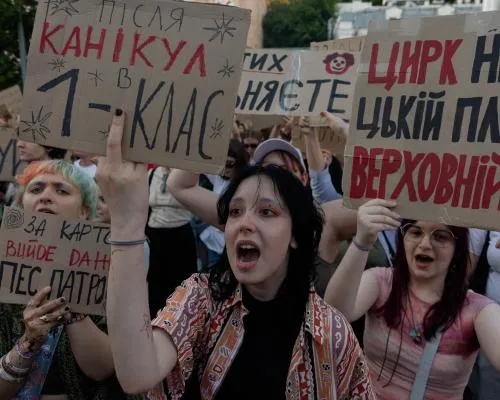 Ukraine Protests Spread After Fedorov’s Dismissal; Zelenskyy Seeks Poland Reconciliation
Protests continue against the dismissal of Ukraine’s Defence Minister, Mykhailo Fedorov, while President Volodymyr Zelenskyy seeks to mend ties with Poland. Drone attacks and Russian military strikes further escalate the conflict.
-
 Ancient Water Reservoirs Near Bethlehem Face Israeli Seizure Threat
Israel threatens to seize ancient water reservoirs near Bethlehem, a move that could set a precedent for broader erosion of Palestinian control over historical sites.
-
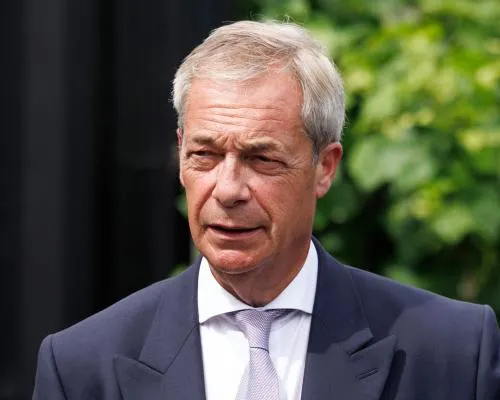 Met Police Arrest Man Over Social Media Threat Against Nigel Farage
Met Police arrests man on suspicion of threatening former UKIP leader Nigel Farage on social media. Calls for increased security funding amid rising concerns over MP safety.
-
 Week in Review: School Days End and Other Stories
This week saw the end of primary school, a $5.6 million settlement in the E Jean Carroll case, critical views on a new 'Little House on the Prairie' series, and campaigns for more accurate weather forecasts.
-
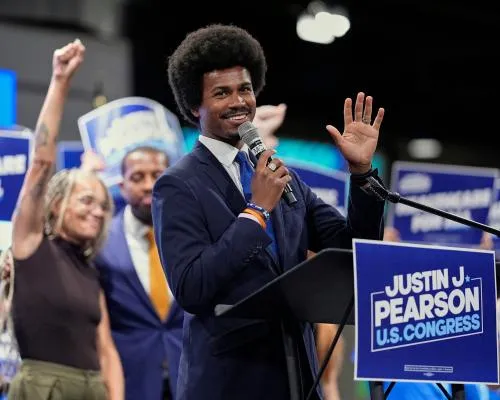 Memphis Rally Supports Progressive Democrat Amid Controversial Taskforce Shootings
Over a thousand people gathered in Memphis to rally for Justin Pearson, a Democratic candidate running for Congress amid controversial shootings by federal taskforce agents.
-
 Republican Norman Joins Race for Senate Seat Left by Lindsey Graham
Republican congressman Ralph Norman announces his candidacy for the Senate seat left by Lindsey Graham, despite Donald Trump's support of Graham's sister.
-
 Andy Burnham's Early Days as Labour Leader: A Swift Transition and Ambitious Plans
Andy Burnham's swift rise to Labour leader following Keir Starmer's resignation brings ambitious plans for devolution and decentralisation, but also challenges in managing expectations within his team.


