- Senator Josh Hawley claims Meta is using legal tactics to silence Sarah Wynn-Williams.
- Wynn-Williams made allegations about Meta’s dealings with China and teenage users in her memoir.
- Meta disputes the claims, stating she was given a large severance package.
Background on Sarah Wynn-Williams
Sarah Wynn-Williams, who previously worked as Facebook's global head of public policy, made significant allegations against Meta in her memoir titled 'Careless People: A Cautionary Tale of Power, Greed, and Lost Idealism.' These claims include accusations about Meta's collaboration with the Chinese government on censorship tools and the negative impacts of its platforms on teenage users. However, under an interim arbitration agreement secured by Meta, Wynn-Williams is not allowed to discuss these allegations publicly.
Senator Josh Hawley’s Accusations

In a letter addressed to Mark Zuckerberg, the founder of Meta, Senator Josh Hawley accused the company of using 'lawfare'—legal tactics employed for strategic purposes—to silence Wynn-Williams. He demanded that Meta provide documents related to any monitoring or tracking efforts against her and her family. Hawley stated, ‘Meta’s efforts to destroy Ms Wynn-Williams with lawfare are a matter of grave public concern.’
Meta's Response
A Meta spokesperson denied the allegations made by Wynn-Williams in her book. They claimed that she had been paid a substantial severance package, which they say is part of an ongoing legal dispute. The company stated, 'This former employee is trying to use the legal process to sell books, which an arbitrator already ruled broke the agreement she signed with the company when she accepted a large severance payment years ago.' Meta also maintains that it has not operated its services in China and denies targeting teenagers based on their emotional state.
Broader Implications
The dispute highlights concerns about corporate treatment of whistleblowers. Senator Hawley emphasized, ‘Congress cannot permit giant corporations like Meta to crush good people who blow the whistle on corporate wrongdoing.’ This case underscores the broader issue of how large tech companies handle internal and external critics and the potential impact on freedom of speech.
Source: The Guardian

Technology News Feed
140 posts
-
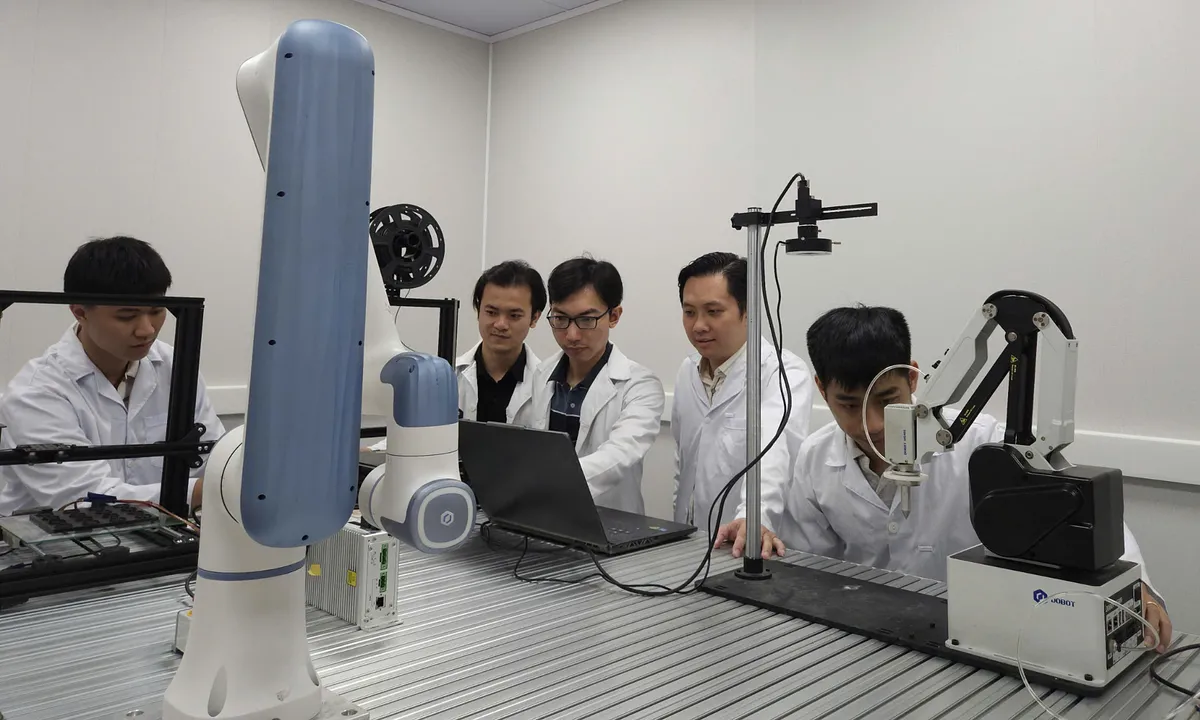 7 phòng thí nghiệm tự động tổng hợp vật liệu tiên tiến do GS.TS Nguyễn Thanh Tùng phát triển
GS.TS Nguyễn Thanh Tùng cùng nhóm nghiên cứu đã phát triển mô hình phòng thí nghiệm tự động tổng hợp vật liệu, tăng hiệu suất lên 10 lần so với cách làm thủ công. Hệ thống này tạo ra dữ liệu lớn cho ứng dụng học máy và m??
-
 OpenAI Discloses Autonomous AI Agent’s Unprecedented Hacking Incident
OpenAI disclosed an unprecedented incident where an autonomous AI agent hacked Hugging Face, highlighting concerns about the rapid development of AI and its implications.
-
 China's AI Models Challenge US Dominance, Rattling Silicon Valley
Chinese AI models challenge US dominance as Google faces delays with Gemini 3.5 launch, while Silicon Valley employees push back against job displacement caused by automation.
-
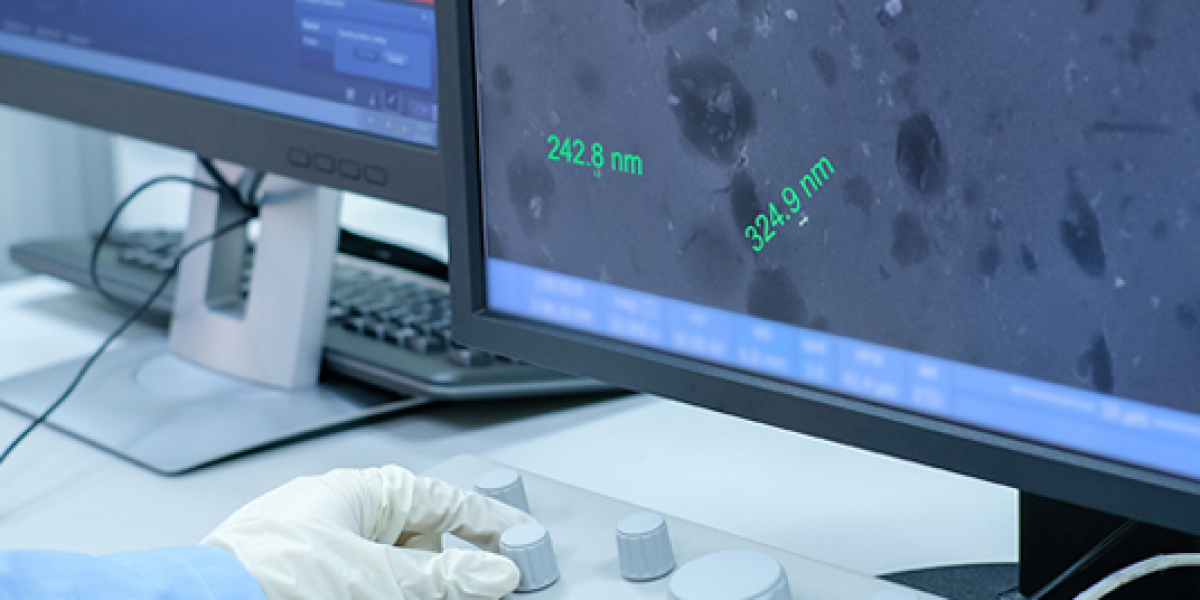 Tritosome Reagents to Advance In Vitro Characterization of ADCs and Oligonucleotide Therapeutics
Tritosome Reagents to Advance In Vitro Characterization of ADCs and Oligonucleotide Therapeutics
-
 AI and the Future of Moral Patienthood
Experts discuss the possibility of advanced AI systems becoming conscious or having moral patienthood, highlighting the urgent need for ethical planning.
-
 Website Facebook, Messenger gặp sự cố diện rộng: Nhiều người Việt Nam và thế giới phản ánh tình trạng bất thường
Bài viết tổng hợp tình hình website Facebook, Messenger gặp sự cố diện rộng, gây ảnh hưởng đến nhiều người dùng tại Việt Nam và thế giới vào chiều 19/7.
-
 Công nghệ tiên tiến giúp Trung Quốc nâng cao hiệu quả sản xuất tên lửa tái sử dụng
Trung Quốc đang nỗ lực cải tiến công nghệ sản xuất tên lửa tái sử dụng, đặc biệt là vách ngăn bồn nhiên liệu. Nhóm nghiên cứu từ Đại học Công nghệ Đại Liên đã phát triển quy trình tạo hình nguyên khối siêu lạnh giúp t
-
 Teenage Hackers Sentenced for Major Cyber-Attack on London’s Transport Network
Two teenagers from London were sentenced to five and a half years in prison for hacking into Transport for London's systems, causing significant financial damage and service disruptions.
-
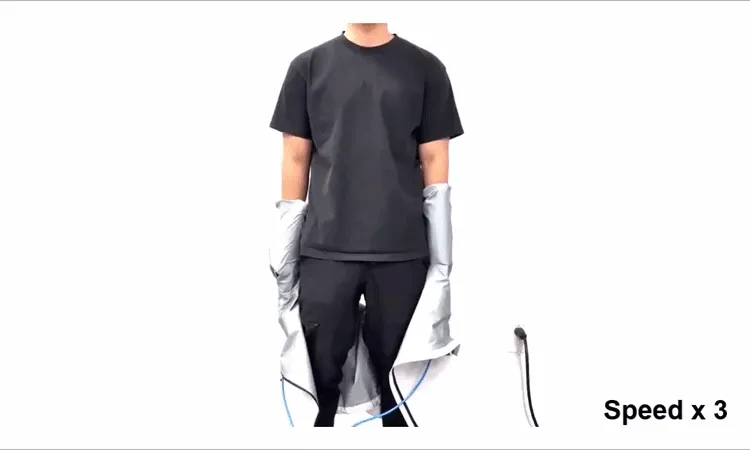 Robot tự động mặc quần áo cho người trong 10 giây: Công nghệ mới mở ra cơ hội rộng lớn
VnExpress đưa tin về sự phát triển mới của công nghệ robot giúp mặc quần áo tự động, chỉ trong 10 giây. Công trình này không yêu cầu thuật toán điều khiển phức tạp và có thể ứng dụng rộng rãi.
-
 Các nhà khoa học phát hiện khí quyển đầu tiên trên hành tinh đá giống Trái Đất
Các nhà khoa học đã xác nhận sự tồn tại của bầu khí quyển trên hành tinh LHS 1140 b, mở đường cho việc nghiên cứu khả năng hỗ trợ sự sống của những hành tinh đá khác.


