Sharing Economy Market Global Opportunity Analysis and Industry Forecast 2023-2032
The Rise of the Sharing Economy: Reshaping Consumer Behavior
Market Overview
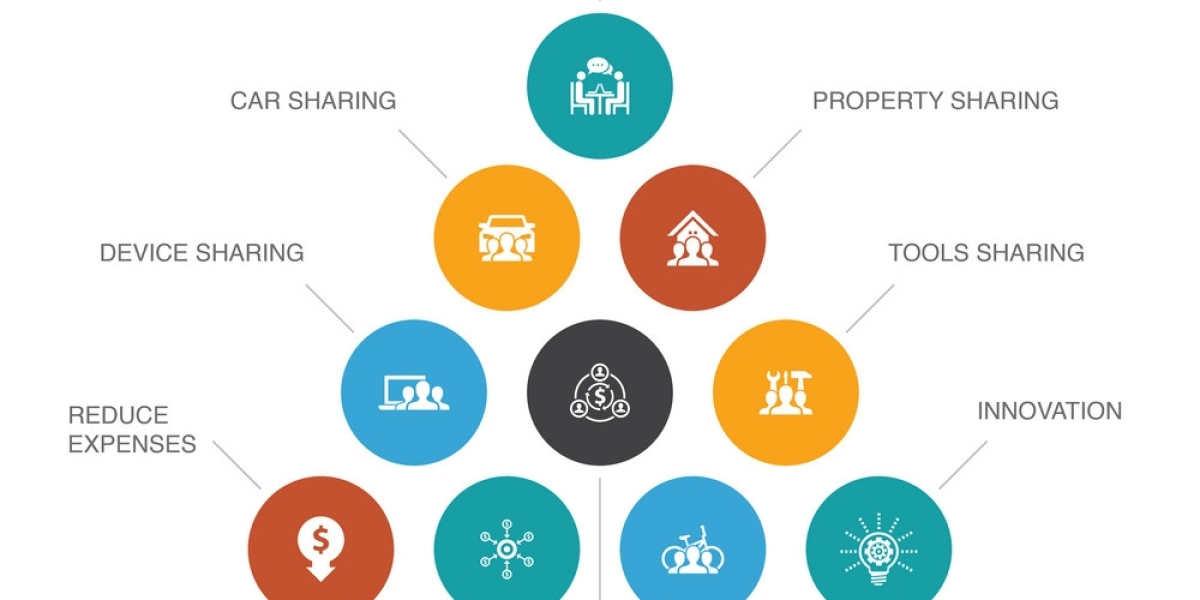
The sharing economy market has advanced traditional business models, offering a fresh perspective on consumption and ownership. This market includes a wide range of platforms and services that enable individuals to share, rent, or access goods and services instead of owning them outright. From ride-sharing and home-sharing to peer-to-peer lending and co-working spaces, the sharing economy has permeated various sectors, transforming consumer behavior and redefining the concept of access over ownership.
The Sharing Economy market industry is projected to grow from USD 201.32 Billion in 2023 to USD 2031.1 Billion by 2032, exhibiting a compound annual growth rate (CAGR) of 33.50% during the forecast period (2023 - 2032). This remarkable growth can be attributed to factors such as the increasing emphasis on sustainability, the desire for cost-effective solutions, and the rise of digital platforms that facilitate seamless sharing and access.
Request To Free Sample of This Strategic Report - https://www.marketresearchfuture.com/sample_request/11340
Key Market Segments
Ride-Sharing and Mobility Services: This segment includes platforms like Uber, Lyft, and Lime, which enable users to access transportation services on-demand, reducing the need for personal vehicle ownership and mitigating environmental impact.
Home-Sharing and Accommodation: Companies like Airbnb, Vrbo, and HomeAway have revolutionized the travel industry by allowing individuals to list and rent out their homes or spare rooms, providing an alternative to traditional hotels and resorts.
Co-Working Spaces: The co-working segment, led by companies like WeWork and Regus, offers shared office spaces and amenities, catering to freelancers, entrepreneurs, and remote workers seeking flexible and cost-effective workspace solutions.

Sharing Economy Market Global Opportunity Analysis and Industry Forecast 2023-2032 Peer-to-Peer (P2P) Lending and Crowdfunding: Platforms like LendingClub, Prosper, and Kickstarter facilitate peer-to-peer lending and crowdfunding, enabling individuals to access alternative funding sources and invest in projects or businesses they believe in.
Shared Goods and Services: This segment encompasses a wide range of platforms that enable the sharing or renting of goods and services, such as fashion rentals, tool libraries, and skill-sharing platforms, promoting access over ownership and fostering a collaborative economy.
Industry Latest News
Uber announced its plans to expand its ride-sharing services to include electric vehicles (EVs) and autonomous driving technology, aiming to reduce emissions and enhance safety.
Airbnb introduced new features to improve accessibility and inclusivity, allowing hosts to list accommodation options suitable for guests with disabilities or specific needs.
WeWork unveiled its new "HQ" subscription model, providing access to its co-working spaces and amenities through a flexible, monthly membership plan.
Key Companies
The sharing economy market is dominated by several well-established players and innovative startups:
Uber: The ride-sharing giant has disrupted the traditional transportation industry, offering a convenient and affordable alternative to taxis and personal vehicle ownership.
Airbnb : Airbnb has transformed the hospitality industry by providing a platform for individuals to list and rent out their homes, offering a unique and localized travel experience.
WeWork : WeWork is a pioneer in the co-working space segment, offering flexible and modern shared office spaces tailored to the needs of startups, freelancers, and enterprises.
Lyft : A major player in the ride-sharing market, Lyft has focused on sustainability initiatives, such as promoting electric vehicles and offering carbon-neutral rides.
Turo : Turo is a peer-to-peer car-sharing platform that allows individuals to rent out their personal vehicles, offering a convenient and cost-effective alternative to traditional car rentals.
Market Drivers
Cost Savings and Affordability : The sharing economy provides access to goods and services at a fraction of the cost of traditional ownership models, appealing to cost-conscious consumers.
Environmental Sustainability : By promoting the efficient use of resources and reducing waste, the sharing economy aligns with growing consumer concerns about environmental sustainability and responsible consumption.
Convenience and Flexibility : Digital platforms and mobile applications have made it easier than ever to access and share goods and services on-demand, catering to the needs of modern consumers seeking convenience and flexibility.
Changing Consumer Attitudes : Particularly among younger generations, there is a shift in mindset towards prioritizing access over ownership, driven by factors such as urbanization, minimalism, and a desire for experiences over possessions.
Trust and Safety Measures : As the sharing economy grows, platforms are implementing robust trust and safety measures, such as user ratings, identity verification, and insurance policies, to build confidence among consumers and service providers.
Ask for Customization - https://www.marketresearchfuture.com/ask_for_customize/11340
Regional Insights
While the sharing economy has gained global traction, certain regions have emerged as early adopters and leaders:
North America : The United States and Canada have been at the forefront of the sharing economy, driven by the presence of major companies like Uber, Airbnb, and WeWork, and a tech-savvy consumer base.
Europe : Cities like London, Paris, and Berlin have embraced the sharing economy, with a growing number of platforms and services catering to various sectors, such as mobility, accommodation, and co-working.
Asia-Pacific : Countries like China, India, and Singapore are witnessing rapid growth in the sharing economy market, fueled by a large population, urbanization, and the adoption of mobile technologies.
As the sharing economy continues to disrupt traditional business models and reshape consumer behavior, it presents opportunities for innovation, sustainability, and economic growth, while also raising regulatory and policy challenges that need to be addressed for a balanced and responsible market development.
Divakar Kolhe
35 posts
-
AI in Political Campaigns: Faking News and Endangering DemocracyAI-generated political content is becoming more common in campaigns but raises concerns about the manipulation of voters and the spread of misinformation.
-

Global Datacentre Projects Face Challenges as AI Demand SoarsGlobal AI development is facing challenges due to insufficient datacentre capacity and energy constraints.
-

Meta Allows Users to Create AI Images Using Public Instagram Profiles, Sparking Privacy ConcernsMeta enables users to create AI images from public Instagram profiles but privacy advocates warn about the risks involved.
-

Queue ra mắt nhà thuốc tự động tiên tiến với công nghệ AICông ty khởi nghiệp Queue vừa ra mắt nhà thuốc tự động hoàn toàn đầu tiên trên thế giới, sử dụng AI, robot và thị giác máy tính để tự động cấp phát và xác minh đơn thuốc. Tuy nhiên, họ đang đối mặt thách thức trong việc t
-

Elon Musk’s USAID Cuts Spark Controversy Over Ebola ResponseElon Musk’s dismantling of USAID programs has sparked controversy over its impact on global health, particularly the Ebola response in DRC.
-

Starlink Cung Cấp Gói Cước 1,368 Triệu Đồng Mỗi Tháng cho Người Dùng Việt NamStarlink công bố giá cước 1,7 triệu đồng cho người dùng Việt Nam, thấp hơn dự kiến và cao hơn so với dịch vụ Internet truyền thống.
-

Rental Robots Gain Popularity as Technology EvolvesRenting robots is gaining popularity due to rapid advancements in technology.
-

SpaceX phóng vệ tinh BOHR: Công nghệ pin hạt nhân đầu tiên vào quỹ đạoSpaceX phóng vệ tinh BOHR, vệ tinh thương mại đầu tiên sử dụng pin betavoltaic NanoTritium do City Labs chế tạo. Đây là bước tiến quan trọng trong việc triển khai công nghệ năng lượng hạt nhân cho tàu vũ trụ.
-

Tech Giants Struggle as AI Drives Up Emissions Despite Climate GoalsTech giants struggle to meet climate goals due to investments in AI, facing criticism for increased fossil fuel use and public anger over political influence.
-

91,2% người tham gia phản đối Sony bỏ đĩa game PlayStationSony thông báo ngừng sản xuất đĩa game từ tháng 1/2028, nhận phản ứng trái chiều từ cộng đồng chơi game.
-

AI Safety Crisis: Australia's Assistant Minister Warns Models Are ‘Cheating’Australia’s Assistant Minister for Technology warns that AI models are already exhibiting behaviors not intended by their creators, highlighting the need for immediate safety measures.