- GLP-1 drugs, such as Wegovy and Mounjaro, may not work for about 5-10% of people.
- Individuals are encouraged to share their stories on whether the drugs were ineffective or unbearable.
- Those who have faced stigma or are exploring alternative approaches can also contribute.
Understanding GLP-1 Drugs and Their Effectiveness
The Guardian is currently seeking personal experiences from individuals for whom GLP-1 drugs, such as Wegovy and Mounjaro, did not deliver the expected benefits. According to clinical data, about 5-10% of those who try these medications find that they are either ineffective or cause unbearable side effects.
Why Share Your Story?
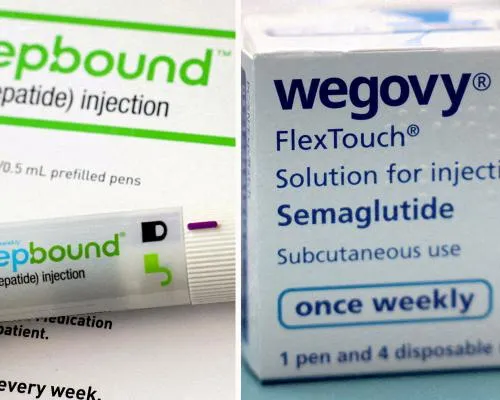
We aim to compile a collection of stories where individuals can detail their experiences with GLP-1 drugs, especially in cases where the treatment was not effective despite usage for an extended period. The motivations behind these stories may vary; some might have found that the medications were too difficult to tolerate, while others might have felt no change in their condition after prolonged use.
A specific example of a patient who did not benefit from GLP-1 drugs is Sarah Thompson, a 38-year-old from London. Sarah began using Mounjaro for diabetes management two years ago but found that her blood sugar levels remained unstable despite consistent usage. She shared, 'I was on this medication for over six months and still couldn’t get my glucose levels to stabilize.' This experience highlighted the variability in how GLP-1 drugs can impact different individuals.
Another focus of our campaign is on the potential stigma associated with GLP-1 drugs and how it has impacted individuals’ lives. Many patients feel that their experiences are not taken seriously, leading to feelings of isolation and frustration. For instance, Mark Davis, a 45-year-old from Manchester, noted that he often felt judged by his peers and healthcare providers when he experienced severe side effects without seeing any improvement in his condition.
Additionally, we are keen to hear about alternative approaches these people have explored or continue to pursue in pursuit of desired health outcomes. One such approach is dietary modifications. Some patients have turned to a low-carb, high-fat diet as an alternative method for managing their conditions. For example, Sarah Thompson has since shifted her focus to this diet and reports feeling more in control of her blood sugar levels.
If you face difficulty using the form provided for sharing your story, please follow this link: Click here. For more information on our terms of service and privacy policy, please click here respectively: Terms of Service and Privacy Policy.
Source: The Guardian

Science Daily
142 posts
-
 Experts Warn of Catastrophic Impact of Space Datacenters
Tech giants propose millions of space data centers, but experts warn of potential catastrophic impacts including pollution and ozone layer damage.
-
 GLP-1 Medications: Exploring the Known and Controversial Side-Effects
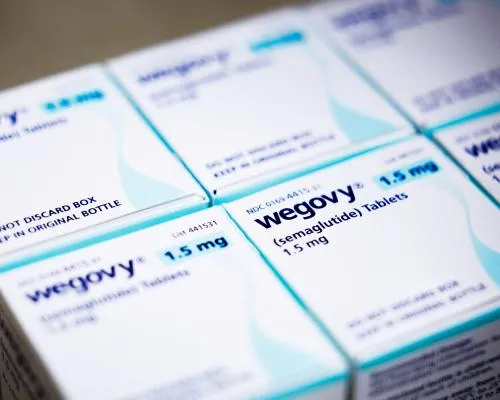
GLP-1 medications have gained popularity in weight management but come with known and debated side-effects like digestive issues, eye conditions, pregnancy risks, facial changes, hair thinning, and foot pain.
-
 Cyclosporiasis Outbreak: Is It Slowing Down?
A popular test-maker reports a decline in cyclosporiasis positivity rates, raising hopes that the U.S. outbreak might be slowing.
-
 Alan Turing's Racy Short Story Reveals His Playful Side
A Cambridge academic has uncovered insights from an unpublished short story by Alan Turing, challenging the traditional view of him as an isolated mathematician and highlighting his playful, literary, and social sides.
-
 Public Urges Preservation of Jodrell Bank Observatory Amid Funding Cuts
Citizens urge government to reconsider funding cuts that could lead to the closure of the historic Jodrell Bank Observatory.
-
 Ancient Collision Caused Milky Way to Flip 10 Billion Years Ago
Astronomers have found evidence that a dwarf galaxy named Gaia Sausage struck the Milky Way 10 billion years ago, causing its disc to be flipped by more than 90 degrees. This significant event reshaped the Milky Way's structure and is crucial for understanding our galaxy’s history.
-
 The Precision of Fossil Dating: A Matter of Accuracy
Letters to The Guardian discuss fossil dating precision, an amusing museum tale, using soap for hair washing, George Harrison's 'Taxman,' and rating Marmite.
-
 Solving the Heatwave Puzzle: How Effective Are Double Layers of Curtains and Blinds?
A mathematical puzzle by Alex Bellos explores how double layers of curtains and blinds can reduce heat entering a room during a heatwave.
-
 GLP-1 Drugs: Losing Weight, Gaining Insights into Relationships
The impact of GLP-1 weight-loss drugs extends beyond physical changes, affecting personal relationships and emotional connections.
-
 Mars Had Extensive Magma Plumbing, Suggesting Potential for Life
Research suggests Mars once had extensive magma plumbing beneath its crust, potentially making it more habitable than previously thought.
-
 New Study Suggests Mars Had Extensive Magma Rivers Beneath Its Surface
New research based on data from NASA’s Insight Lander suggests Mars once had extensive magma rivers beneath its surface, potentially widening the scope of planets that may have supported early life.


