- Curtains reduce sunlight by 50% due to their thermal properties.
- Using two layers of protection (blinds and curtains) can significantly enhance insulation effectiveness.
- Understanding heat flow is crucial for accurate calculations in such scenarios.
Curtain Physics: Blocking the Sun's Heat
During a summer heatwave, it’s common to keep curtains drawn all day to reduce the indoor temperature. The physics of what is happening can be summarized as follows: Solar energy comes through the windows and is absorbed by the curtains. As the curtains get hotter, they eventually reach an equilibrium where they are radiating part of their absorbed heat back towards the window and part into the room.
In other words, curtains block some but not all of the Sun’s energy.

Today’s puzzle involves a scenario with roller blinds and curtains, creating two layers of protection from the Sun. The question is: What percentage of the Sun’s energy gets into the room?
A common initial thought might be that if each layer blocks part of the sunlight, then a combination of both would block half of what is left after the first layer – leading to an overall reduction. However, this isn’t accurate.
To solve it correctly, one must consider how heat flows through these layers until they reach equilibrium. The key insight here is understanding that heat doesn't just pass through in a straightforward manner but rather gets distributed and re-radiated. This means that more than half of the sunlight can still make its way into the room despite having two layers of protection.
The concept of heat flow in such systems is crucial for understanding how to better insulate spaces during extreme weather conditions. By considering multiple layers of protection and their interactions, we can more accurately predict and manage the indoor temperature.
In summary, while it might seem intuitive that two layers would block part of the incoming solar energy, the actual effect is more complex than a simple linear reduction. This puzzle underscores the importance of a holistic approach in understanding real-world heat management solutions.
Source: The Guardian

Science Daily
125 posts
-
 Gunther von Hagens, Creator of Body Worlds, Passes Away at 81
Gunther von Hagens, inventor of plastination and creator of Body Worlds exhibitions, has died at 81. His innovative technique and global displays sparked fascination and controversy alike.
-
 Restricted Eating Hours May Slow Cognitive Decline in Older Adults
A preliminary study suggests that restricting mealtimes and avoiding food before bed may help slow down cognitive decline in older adults.
-
 How Have Weight-Loss Drugs Affected Relationships?
The Guardian seeks to understand how GLP-1 drugs have affected relationships, both positively and negatively.
-
 The Need for Arts and Humanities in Space Exploration Debates
An exploration of why arts and humanities are vital for addressing the complex issues in current debates about space research.
-
 New Study Reveals Four Distinct Thinking Patterns Among Modern Minds
A new study identifies four distinct types of thinkers based on their thoughts, revealing how modern minds process information differently.
-
 GLP-1 Medications: Side Effects and Concerns
Explore the common and emerging side effects of GLP-1 medications, including digestive issues, hair thinning, and potential changes in facial appearance.
-
 Zendaya Wears Controversial Ancient Jewelry at Film Premiere, Sparking Debate
Zendaya’s decision to wear ancient Iranian jewelry at The Odyssey premiere has sparked debate about cultural sensitivity and ethical use of historical artifacts in Hollywood.
-
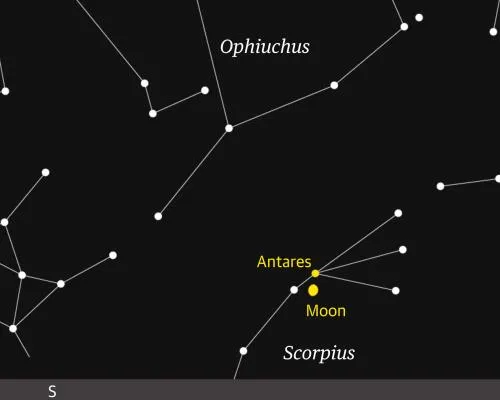 Stargazing Guide: Finding Scorpius in the Night Sky
Learn how to spot the constellation Scorpius and its key star Antares from the UK, where low altitude often obscures full visibility.
-
 Alan Turing's Racy Short Story Offers New Insight into the 'Playful' Side
A Cambridge academic has transcribed Alan Turing's previously overlooked short story, revealing new insights into the playful, funny, and sexually adventurous side of one of history's most influential figures.
-
 Tech Giants’ Space Datacenters Face Criticism Over Environmental Impact
Experts warn that proposed space datacenters from tech giants could release catastrophic levels of pollution and threaten the environment. A new petition demands a review by the FCC.
-
 Tech Giants' Space Data Centers Spark Concerns Over Environmental Impact
A petition has been submitted to the FCC urging a halt to space data center projects due to potential environmental hazards.


