- Thousands protested in Delhi demanding Dharmendra Pradhan's resignation, leading to his downfall and a public celebration.
- The protests highlight institutional corruption and failure of the education system, affecting millions of young Indians.
- Modi’s control over narrative is under threat as social media plays a significant role in spreading dissent.
- This movement could indicate broader dissatisfaction with the BJP's rule and its approach to governance.
Overview of the Cockroach Protests
Good morning. As flames engulfed parts of France and Spain this weekend, in India, Prime Minister Narendra Modi was trying to put out a very different kind of fire. Thousands of people arrived in Delhi on Saturday to demand the resignation of his education minister, Dharmendra Pradhan. When he stepped down in the early afternoon, the protests turned into a demonstration.
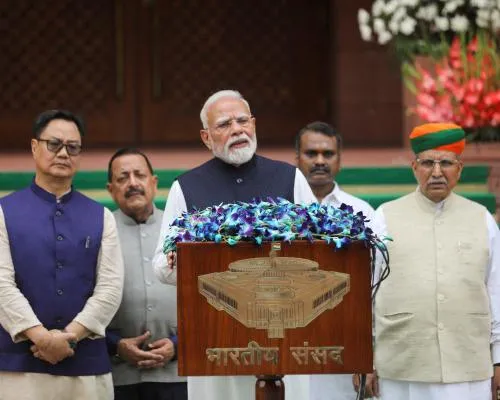
The Cockroach protests that have swept through India this summer are about much more than a single minister. They have humiliated Modi and undermined the BJP's indomitable power. They're also a lesson in using humour to political advantage. Modi likes to present himself as an infallible messiah, but young people have mocked him online and in the streets, calling him a '56-inch monkey.' Parodying his social media addresses has become common.
Modi’s last-ditch attempt at engagement via Instagram failed to quell the unrest. His posts seemed contrived and stilted, leading many to criticize him online.
The protests have exposed vulnerabilities in the BJP's control over narrative and its ability to suppress dissent. Young protesters used social media openly, sharing memes and videos that criticized the government. The incident reveals a growing disconnect between the ruling party and its youthful constituents who are increasingly using digital platforms to voice their discontent.
The protests stem from broader issues plaguing young Indians, including corruption in education, leaking exam papers, and economic inequality. Young people like Abhijeet Dipke initially sparked the movement with a sarcastic tweet about “cockroaches,” which evolved into a larger grassroots campaign known as the Cockroach Janta Party (CJP).
One of the key demands is reforming India’s education system, addressing challenges such as exam paper leaks and unaffordable tuition fees. This has affected millions of students, leading to tragic outcomes like suicide attempts from repeated test retakes.
The protests have drawn young people from across the country, and the CJP created a website listing their demands. The movement could signal a broader shift in the balance of power, with young people taking an active role in challenging established norms.
Source: The Guardian

Guardian News World
589 posts
-
 Sinh tồn kỳ diệu của Kai Sato sau 28 ngày trôi dạt trên Thái Bình Dương
Kai Sato, 39 tuổi, mất tích trên Thái Bình Dương hơn một tháng và được cứu sống sau 28 ngày trôi dạt. Trải qua nhiều khó khăn, anh đã xốc lại tinh thần để duy trì sự sống.
-
 Ukrainian Startup Fire Point Pioneers Long-Range Missile and Drone Production
Fire Point, a Ukrainian startup, is producing long-range missiles and drones at scale, significantly boosting Ukraine's deep-strike capabilities during the ongoing conflict.
-
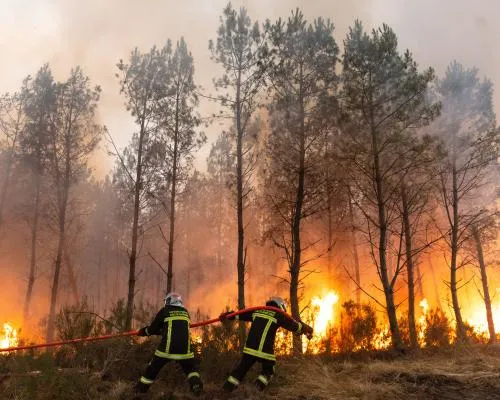 Europe Faces Intense Wildfire Crisis: Spain and France Battle Major Blazes
Europe grapples with intense wildfires in Spain and France, exacerbated by extreme weather conditions. Emergency measures are being implemented amid concerns about future threats.
-
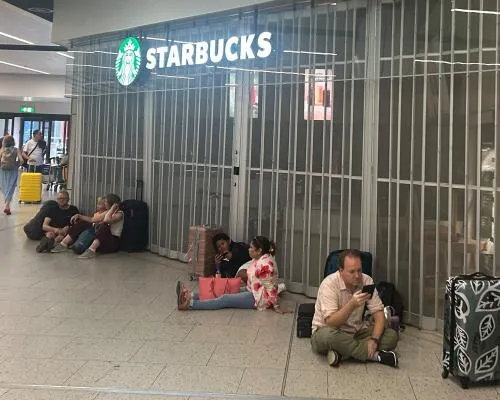 Water Supply Restoration at Gatwick Airport After Hours of Disruption
Gatwick Airport’s water supply issues led to closed toilets and food outlets, causing inconvenience to passengers during a critical travel period.
-
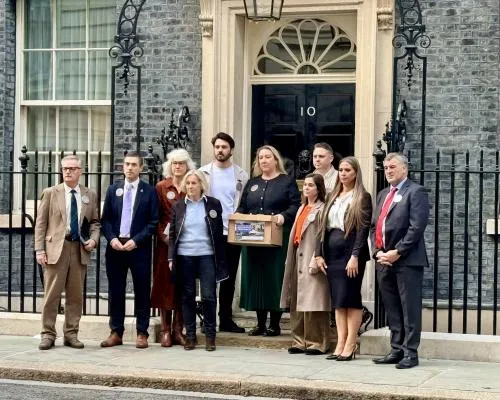 Families of RAF Chinook Crash Victims Call for Prime Minister's Review
Families of RAF Chinook crash victims in 1994 are calling on the new Prime Minister to initiate an independent review amid concerns over potential cover-ups and misinformation.
-
 Taylor Farms' Request for White House Delay Raises Questions During Cyclospora Outbreak
Taylor Farms sought White House intervention during its recall of potentially contaminated iceberg lettuce, raising questions about standard operating procedures in managing food safety outbreaks.
-
 Pentagon Updates Casualty Database Amid Iran Conflict
The Pentagon updated its casualty database, adding over 140 wounded service members, sparking disputes over how casualties are counted.
-
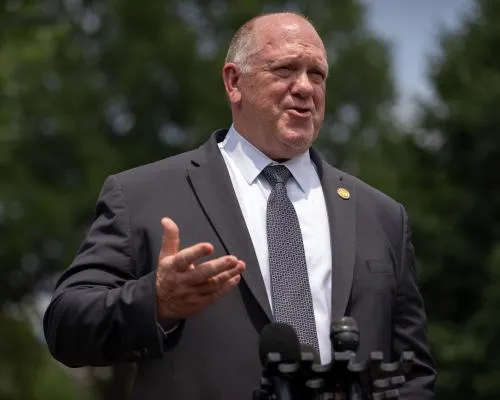 ICE Officer's Background Raises Questions Amid Maine Shooting
Tom Homan, former ‘border czar,’ questions the vetting of an ICE officer involved in a fatal shooting in Maine, raising concerns about the agency's hiring practices.
-
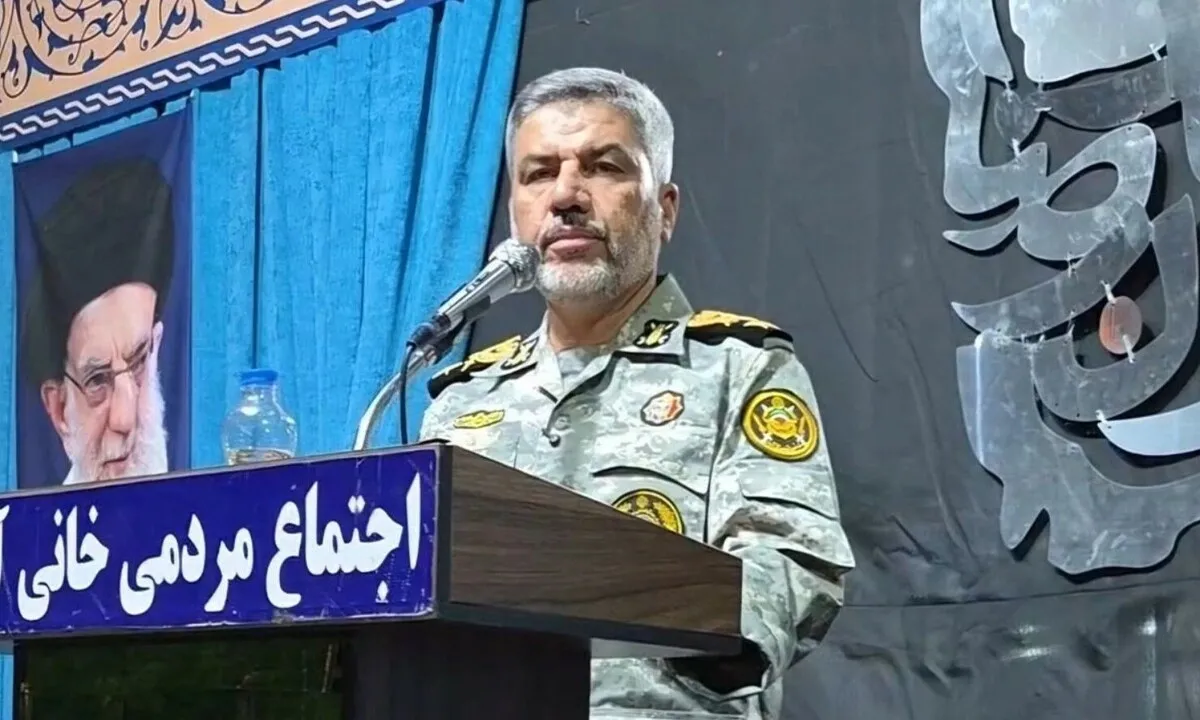 Iran tuyên bố ngừng tập kích, Mỹ hé lộ lý do dừng không kích
Iran tuyên bố ngừng tập kích trả đũa, trong khi Mỹ quyết định tạm dừng không kích để thúc đẩy ngoại giao. Tác động cụ thể đến khu vực Trung Đông và xung đột giữa Iran và Mỹ.
-
 Prediction Markets Gaining Traction in the UK Amid US Boom
UK residents are exploring prediction markets like Polymarket, driven by events such as the World Cup and local political elections, despite regulatory challenges.


