- A study by economists from Claremont Graduate University and Wuhan University identified four distinct groups of thinkers based on their thoughts.
- The groups include worriers, domestics, bodily thinkers, and work-hard, play-hards.
- People's thoughts are dominated by work, household chores, personal well-being, or a combination of career and leisure activities.
- Researchers found that what people think is more predictive of their happiness than other factors.
Study Reveals Distinct Thinking Patterns
A recent study has provided new insights into the diverse ways in which modern minds process information. Economists from Claremont Graduate University and Wuhan University, China, analyzed over 23,000 real-time responses from participants aged between 18 to 65 who used a mobile app to record their thoughts throughout two weeks. The findings revealed four distinct categories of thinkers: worriers, domestics, bodily thinkers, and work-hard, play-hards.
The Worriers
One group was termed 'worriers,' as they spent nearly 60% more time thinking about world events, politics, and social issues compared to the average. Their thoughts frequently revolved around safety, health, and current global crises like the ongoing pandemic. Interestingly, this group also thought about music almost twice as often, possibly seeking emotional relief from their concerns.
The Domestics
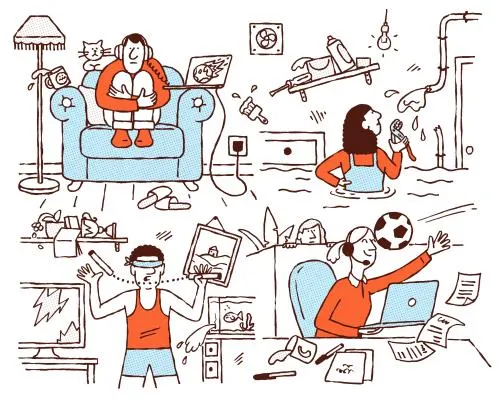
A second category was identified as 'domestics,' who dedicated 50% more of their thoughts to household chores and financial matters. Their minds wandered into the realms of movies, books, and TV series with equal frequency. The words 'solve' and 'debate' were common in their thought processes, indicating a focus on practical and intellectual concerns.
The Bodily Thinkers
'Bodily thinkers,' the third group, spent significantly more time reflecting on their senses, feelings, and overall physical well-being. This group was notably younger with an average age of 32, and a majority were women. They experienced the highest rate of intrusive thoughts, often associated with health concerns and care needs. The prevalence of words like 'ache' and 'overwhelm' in their thoughts suggested they were more attuned to bodily sensations and mental states.
The Work-Hard, Play-Hards
The final category was described as 'work-hard, play-hards,' who balanced their thoughts between work and leisure. They spent 50% more time on job-related matters but also dedicated an additional 25% of their thoughts to hobbies and artistic pursuits. This group reported the highest levels of income and happiness among all four categories.
The researchers noted that while these groups are not definitive, they offer a nuanced view into how human thinking patterns can vary widely within a single population. They caution against generalizing these findings as they only represent participants who fit into the Western, Educated, Industrialized, Rich, and Democratic (WEIRD) demographic.
Dr. Joshua Tasoff, one of the study's authors, emphasized that people may move between these categories, suggesting that thinking patterns are not static but can be influenced by various factors such as health conditions or life events.
Source: The Guardian

Science Daily
125 posts
-
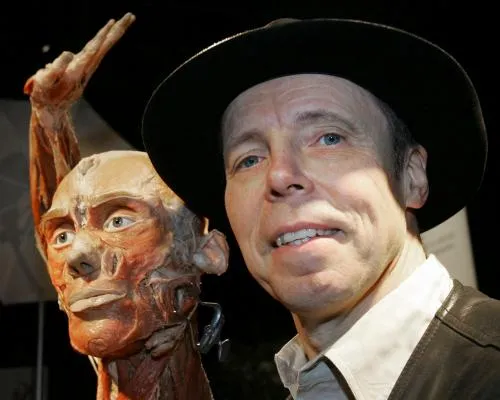 Gunther von Hagens, Creator of Body Worlds, Passes Away at 81
Gunther von Hagens, inventor of plastination and creator of Body Worlds exhibitions, has died at 81. His innovative technique and global displays sparked fascination and controversy alike.
-
 Restricted Eating Hours May Slow Cognitive Decline in Older Adults
A preliminary study suggests that restricting mealtimes and avoiding food before bed may help slow down cognitive decline in older adults.
-
 How Have Weight-Loss Drugs Affected Relationships?
The Guardian seeks to understand how GLP-1 drugs have affected relationships, both positively and negatively.
-
 The Need for Arts and Humanities in Space Exploration Debates
An exploration of why arts and humanities are vital for addressing the complex issues in current debates about space research.
-
 GLP-1 Medications: Side Effects and Concerns
Explore the common and emerging side effects of GLP-1 medications, including digestive issues, hair thinning, and potential changes in facial appearance.
-
 Zendaya Wears Controversial Ancient Jewelry at Film Premiere, Sparking Debate
Zendaya’s decision to wear ancient Iranian jewelry at The Odyssey premiere has sparked debate about cultural sensitivity and ethical use of historical artifacts in Hollywood.
-
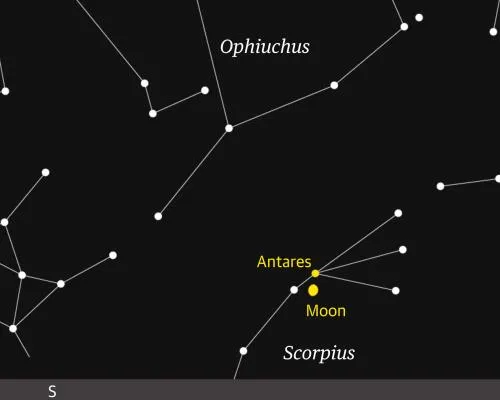 Stargazing Guide: Finding Scorpius in the Night Sky
Learn how to spot the constellation Scorpius and its key star Antares from the UK, where low altitude often obscures full visibility.
-
 Alan Turing's Racy Short Story Offers New Insight into the 'Playful' Side
A Cambridge academic has transcribed Alan Turing's previously overlooked short story, revealing new insights into the playful, funny, and sexually adventurous side of one of history's most influential figures.
-
 Tech Giants’ Space Datacenters Face Criticism Over Environmental Impact
Experts warn that proposed space datacenters from tech giants could release catastrophic levels of pollution and threaten the environment. A new petition demands a review by the FCC.
-
 Tech Giants' Space Data Centers Spark Concerns Over Environmental Impact
A petition has been submitted to the FCC urging a halt to space data center projects due to potential environmental hazards.


