Introduction
A KI Detector is an essential device used to measure and detect radiation levels in various environments. Whether for nuclear safety, medical applications, or scientific research, these detectors play a crucial role in ensuring safety and compliance with radiation exposure standards.
In this article, we will explore what a KI Detector is, how it works, and its key applications.
What is a KI Detector?
A KI Detector (Potassium Iodide Detector) is a device that identifies and measures ionizing radiation, such as alpha, beta, gamma, and X-rays. These detectors help professionals in nuclear plants, medical facilities, and research laboratories monitor radiation levels for safety.
How Does a KI Detector Work?
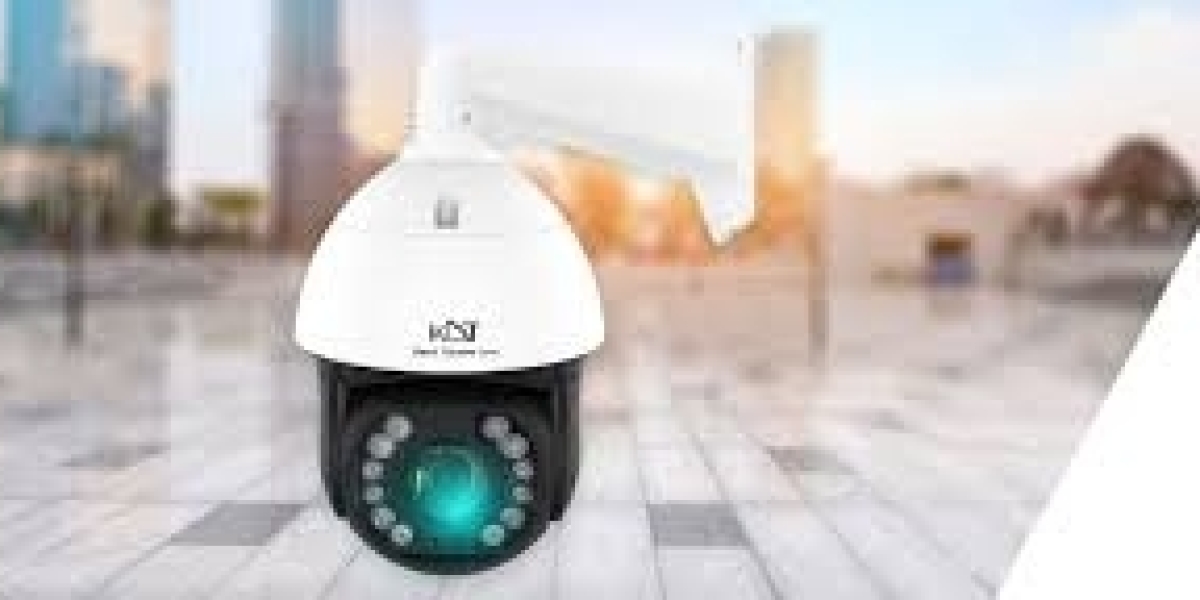
KI Detectors use sensitive sensors that react to radiation by producing an electrical signal. This signal is then measured and displayed on the device, providing accurate radiation level readings. Some advanced models can differentiate between types of radiation and alert users if levels exceed safe limits.
Types of KI Detectors
There are various types of KI Detectors, each designed for specific purposes.
1. Geiger-Muller (GM) Counter
- One of the most common radiation detectors.
- Measures radiation by detecting ionizing particles.
- Used in environmental monitoring, industrial safety, and research.
2. Scintillation Detectors
- Uses crystals to detect and amplify radiation signals.
- Provides high sensitivity and accuracy.
- Used in medical imaging and nuclear physics research.
3. Ionization Chamber Detectors
- Measures radiation by detecting changes in electrical current.
- Used in nuclear power plants and radiation therapy monitoring
Related more article, ai detector
Applications of KI Detector
1. Radiation Safety in Nuclear Power Plants
KI Detectors play a vital role in monitoring radiation leaks and ensuring that nuclear power plants operate within safe limits. These detectors help prevent harmful radiation exposure to workers and the environment.
2. Medical and Healthcare Industry
Hospitals and research labs use KI Detectors for:
- Radiation therapy monitoring (for cancer treatment).
- Medical imaging (X-rays, CT scans, and MRI safety).
- Ensuring patient and worker safety in radiology departments.
3. Industrial and Environmental Monitoring
Certain industries, such as mining, construction, and waste disposal, use KI Detectors to monitor radiation levels and maintain workplace safety. Additionally, environmental agencies use these devices to track radiation exposure in public spaces.
4. Research and Space Exploration
Scientific research institutions and space agencies use KI Detectors for:
- Studying cosmic radiation in space.
- Analyzing radioactive materials in laboratories.
- Developing safer nuclear energy solutions.
Why is a KI Detector Important?
- Protects human health by detecting radiation exposure.
- Ensures compliance with safety regulations in nuclear and medical industries.
- Prevents environmental contamination by monitoring radiation leaks.
- Supports scientific advancements in physics, medicine, and space exploration.
Choosing the Right KI Detector
:
Accuracy & Sensitivity – Ensure it can detect low radiation levels.
Portability – Handheld models are ideal for fieldwork.
Data Logging – Some advanced models store data for analysis.
Radiation Type Detection – Choose a detector based on the type of radiation you need to measure.
Conclusion
A KI Detector is a critical tool for radiation detection and safety. Whether in nuclear power plants, medical facilities, industrial sites, or research labs, these devices help protect lives and the environment from harmful radiation exposure. Investing in a high-quality KI Detector ensures better monitoring, compliance, and safety in radiation-prone environments.

mars liktan
1 posts
-
 Công nghệ chip trong bóng Trionda phát hiện va chạm đến mức nào
Chi tiết về công nghệ bóng Trionda trong World Cup 2026, cách hệ thống cảm biến quán tính IMU phát hiện va chạm chính xác hơn 100 lần mỗi giây.
-
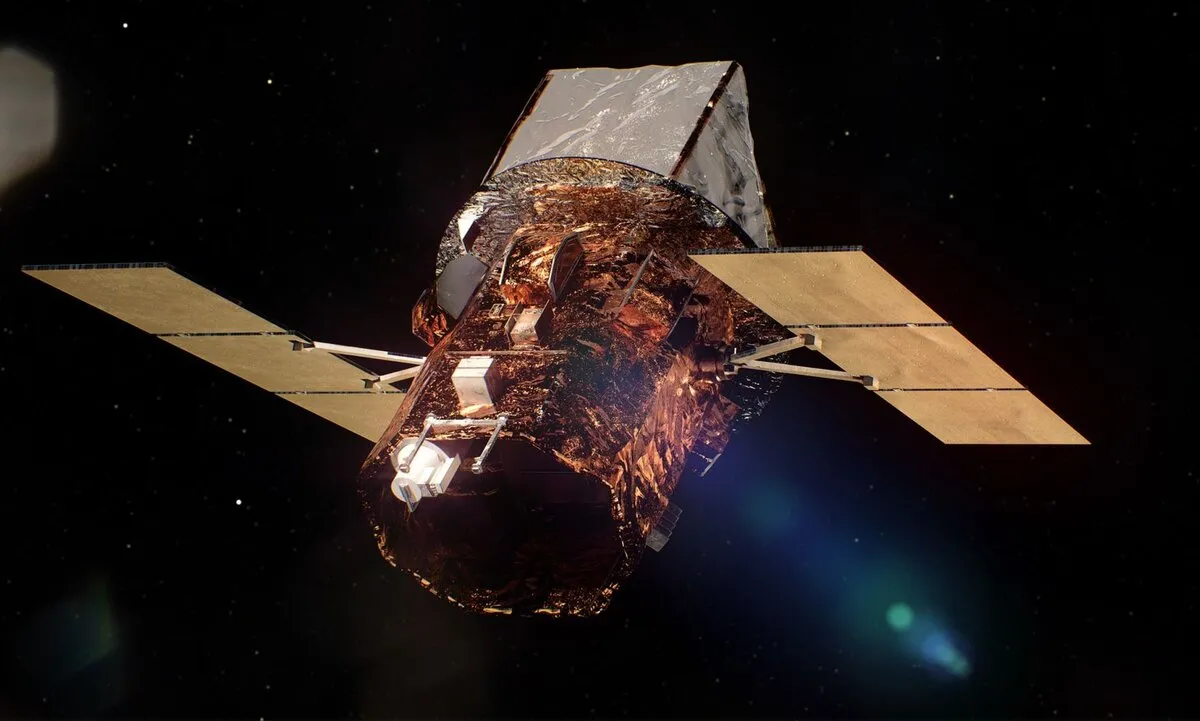 NASA triển khai robot cứu kính viễn vọngSwift trị giá 250 triệu USD
NASA triển khai robot để cứu kính viễn vọngSwift trị giá 250 triệu USD, đặt ra phương án tương lai cho hoạt động tương tự.
-
 Elon Musk's Social Media Focus on UK Race and Immigration Overshadows SpaceX IPO
An analysis of Elon Musk’s X posts reveals that he focused more on UK race and immigration during SpaceX’s IPO run-up than his own company.
-
 Mark Zuckerberg: CEO công nghệ với đam mê chăn nuôi 'thịt bò tốt nhất thế giới'
CEO Meta Mark Zuckerberg đầu tư vào dự án chăn nuôi để tạo ra loại thịt bò chất lượng cao nhất thế giới.
-
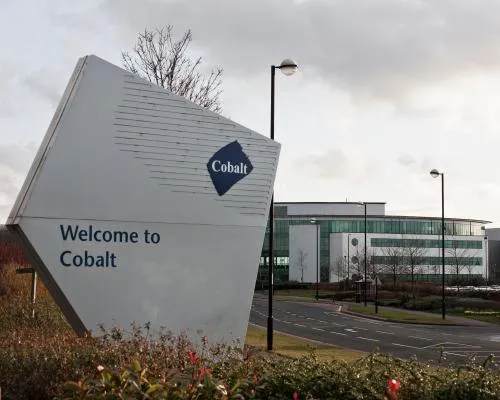 UK’s Stargate UK Datacentre Project: A Hyped but Hypothetical Investment
The Stargate UK datacentre project appears to be a largely hypothetical investment, with key partners failing to visit the proposed site. Local leaders question its feasibility and authenticity.
-
 Cảm biến bóng xác định việt vị: Thế nào để quyết định chính xác?
FIFA sử dụng cảm biến tích hợp trong quả bóng để xác định tình huống việt vị và đưa ra quyết định chính xác.
-
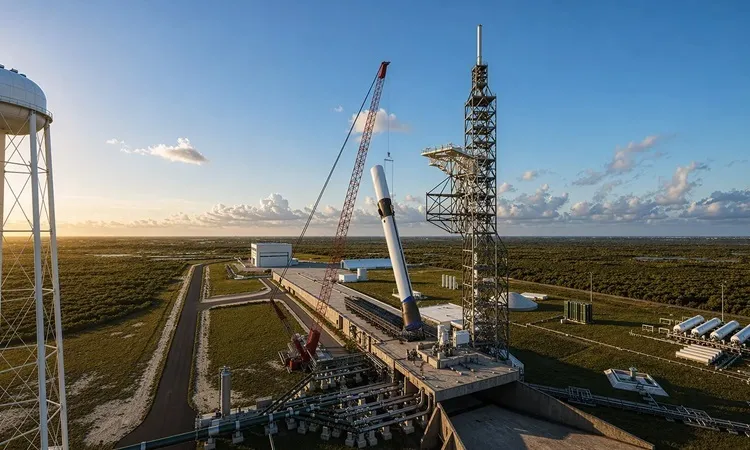 Blue Origin tái cấu hình phóng sau vụ nổ New Glenn
Blue Origin chuyển cấu hình phóng sau vụ nổ New Glenn để tăng tần suất bay.
-
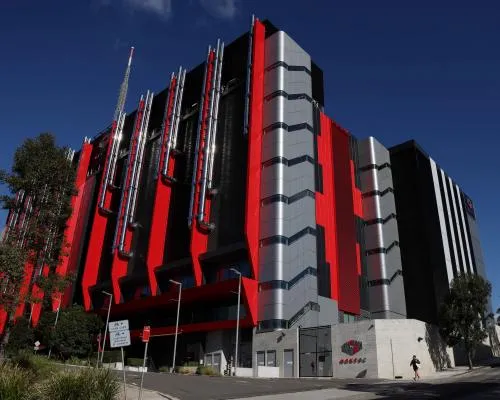 OpenAI's Sydney Office: NSW Government's Hesitation Amid AI Dystopia Fears
NSW government's cautious approach to OpenAI's Sydney office, balancing enthusiasm with environmental concerns.
-
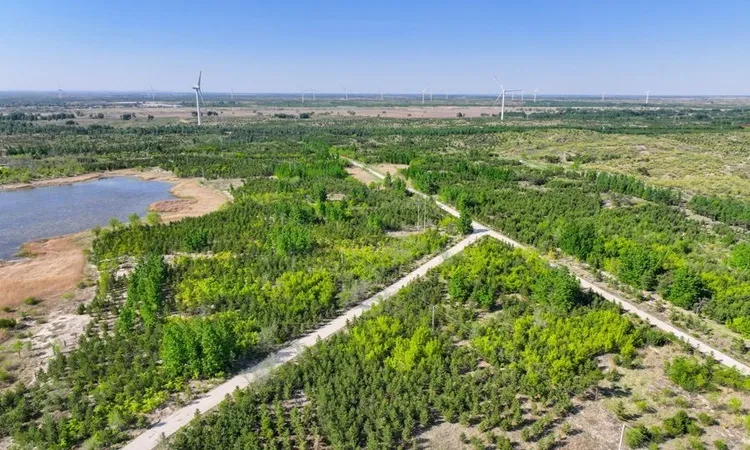 Vạn Lý Trường Thành Xanh: Trồng Cây Nhanh hơn Rừng Tự Nhiên
Dự án Vạn lý Trường thành Xanh trồng 66 tỷ cây xanh với tốc độ sinh trưởng nhanh hơn, hấp thụ CO2 hiệu quả hơn so với rừng tự nhiên.
-
 AI tools heighten risk for children: Experts urge parents to take caution
As AI tools become more sophisticated, children are at risk of having their photos used by predators to create explicit material. UK watchdogs advise parents to be cautious online.
-
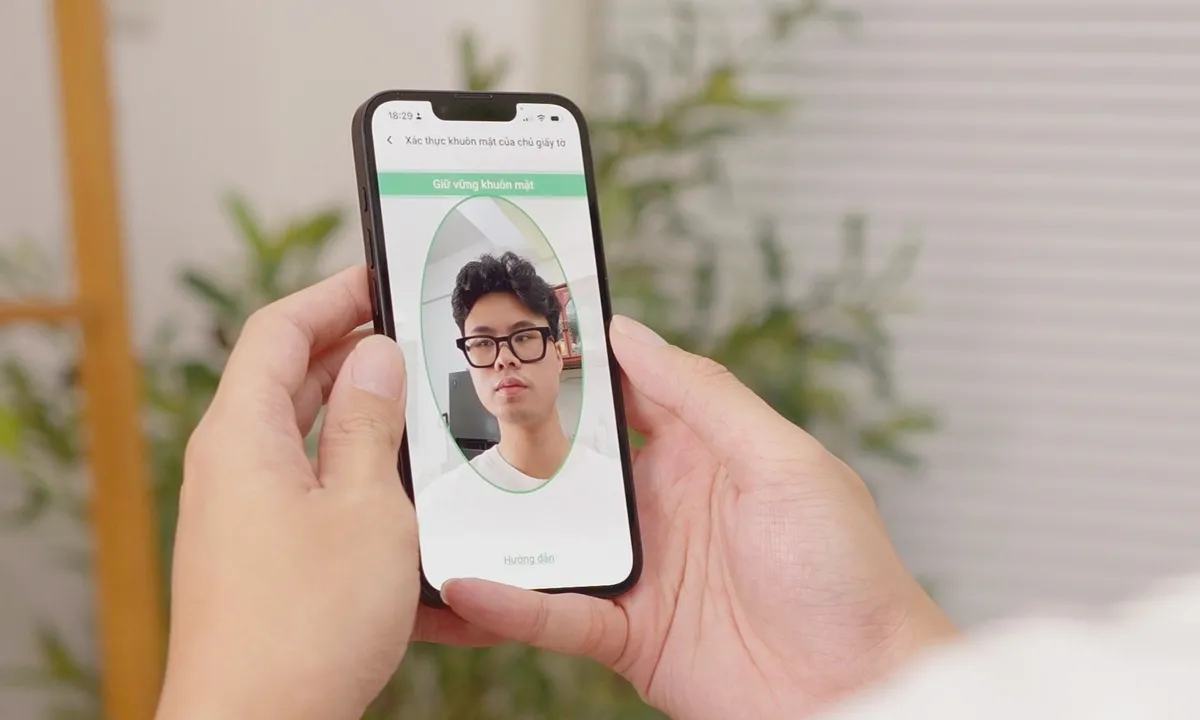 Phương thức xác thực khuôn mặt khi đổi SIM sang điện thoại mới
Bộ Khoa học và Công nghệ yêu cầu xác thực khuôn mặt khi đổi SIM sang máy mới để chống lại sử dụng SIM không chính chủ.


