- Argentine victory at World Cup sparked interest in prediction markets among UK residents.
- UK gamblers can bypass regulations by using virtual private networks (VPNs) to access sites like Polymarket.
- Experts debate whether these markets will gain popularity in the UK due to existing legal and cultural barriers.
Interest Spurred by World Cup
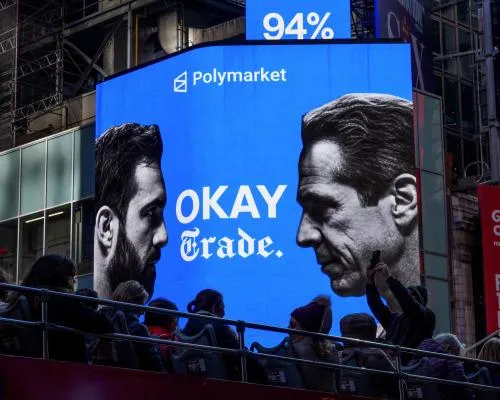
The excitement of the 2022 FIFA World Cup led one father-son duo from Reading, England, to explore prediction markets. Dode Dahroug, a former RAF pilot, discovered Polymarket through his teenager, who was curious about how it works. Dahroug used live odds data to predict upcoming goals, creating an entertaining illusion of insider knowledge.
Regulatory Challenges and Bypass Methods
In the United States, prediction markets like Polymarket have seen a surge in popularity since 2018 when the US Supreme Court lifted a federal ban on sports betting. However, their growth is limited by state regulations, with some areas still prohibiting such activities. UK residents can sidestep these restrictions using virtual private networks (VPNs), allowing them to access prediction markets legally.
Expert Opinions and Market Potential
Gambling analyst Alun Bowden from Eilers & Krejcik Gaming believes that while the prediction market phenomenon is likely to spread, its success in the UK remains uncertain. He contrasts it with well-established betting exchanges such as Betfair, which are not as popular among British gamblers.
However, James Bradley of Fairer Finance warns about potential risks associated with these markets. He points out that the large volume of bets placed on UK political events suggests a significant number of British users might be evading regulatory requirements through the use of VPNs. Bradley also expresses concerns over the potential impact on democracy if prediction markets were to become mainstream.
Current State and Future Outlook
Despite these challenges, some smaller UK gambling operators are adapting by offering prediction market features similar to those found in US platforms. This includes Smarkets, which recently revamped its user interface to better align with the American style of prediction markets.
While there is a growing interest and engagement with prediction markets globally, their acceptance in the UK may depend on overcoming legal and cultural hurdles that currently limit their popularity. As these markets continue to evolve, they will face scrutiny not only from regulators but also from those concerned about their broader social implications.
Source: The Guardian

Guardian News World
589 posts
-
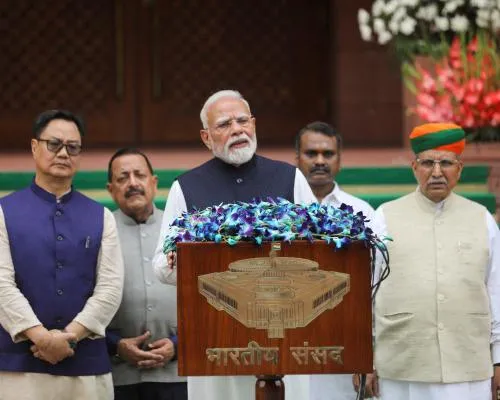 India’s Cockroach Protests Spark Youth Rebellion Against Modi Regime
Thousand-strong protests in Delhi against India's Education Minister Dharmendra Pradhan mark a significant moment of public defiance against the ruling BJP government.
-
 Sinh tồn kỳ diệu của Kai Sato sau 28 ngày trôi dạt trên Thái Bình Dương
Kai Sato, 39 tuổi, mất tích trên Thái Bình Dương hơn một tháng và được cứu sống sau 28 ngày trôi dạt. Trải qua nhiều khó khăn, anh đã xốc lại tinh thần để duy trì sự sống.
-
 Ukrainian Startup Fire Point Pioneers Long-Range Missile and Drone Production
Fire Point, a Ukrainian startup, is producing long-range missiles and drones at scale, significantly boosting Ukraine's deep-strike capabilities during the ongoing conflict.
-
 Europe Faces Intense Wildfire Crisis: Spain and France Battle Major Blazes
Europe grapples with intense wildfires in Spain and France, exacerbated by extreme weather conditions. Emergency measures are being implemented amid concerns about future threats.
-
 Water Supply Restoration at Gatwick Airport After Hours of Disruption
Gatwick Airport’s water supply issues led to closed toilets and food outlets, causing inconvenience to passengers during a critical travel period.
-
 Families of RAF Chinook Crash Victims Call for Prime Minister's Review
Families of RAF Chinook crash victims in 1994 are calling on the new Prime Minister to initiate an independent review amid concerns over potential cover-ups and misinformation.
-
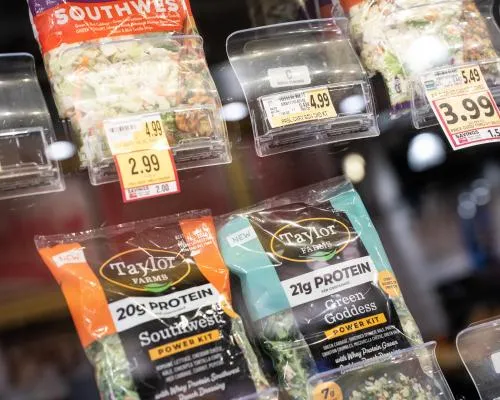 Taylor Farms' Request for White House Delay Raises Questions During Cyclospora Outbreak
Taylor Farms sought White House intervention during its recall of potentially contaminated iceberg lettuce, raising questions about standard operating procedures in managing food safety outbreaks.
-
 Pentagon Updates Casualty Database Amid Iran Conflict
The Pentagon updated its casualty database, adding over 140 wounded service members, sparking disputes over how casualties are counted.
-
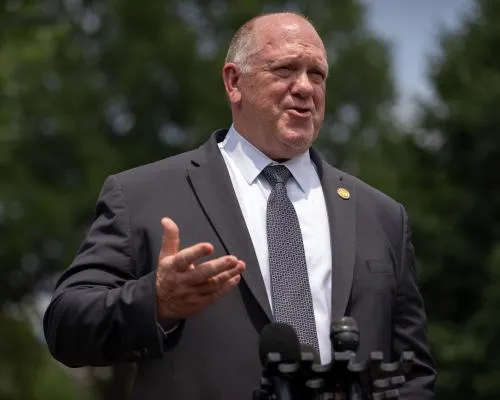 ICE Officer's Background Raises Questions Amid Maine Shooting
Tom Homan, former ‘border czar,’ questions the vetting of an ICE officer involved in a fatal shooting in Maine, raising concerns about the agency's hiring practices.
-
 Iran tuyên bố ngừng tập kích, Mỹ hé lộ lý do dừng không kích
Iran tuyên bố ngừng tập kích trả đũa, trong khi Mỹ quyết định tạm dừng không kích để thúc đẩy ngoại giao. Tác động cụ thể đến khu vực Trung Đông và xung đột giữa Iran và Mỹ.


