- European Commission proposes changes to emissions trading system, potentially weakening its effectiveness.
- Critics argue reforms will give industries a less stringent and cheaper path to reduce greenhouse gas emissions.
- Reforms could allow for an additional 2 billion tonnes of CO2 emissions, raising questions about meeting climate targets.
Overview of the European Emissions Trading System
The European Union’s flagship carbon market, known as the Emissions Trading System (ETS), has been crucial in reducing greenhouse gas emissions. Since its launch in 2005, it has succeeded in cutting emissions by 47% compared to 2005 levels.
Proposed Reforms and Their Impact

In a recent review of the ETS, the European Commission proposed several changes aimed at aligning with the EU’s ambitious climate goals. These reforms include extending the system to cover municipal waste and flights within a 5,000km radius of central Europe for the first time. However, they also propose giving industries more lenient pathways to reduce emissions by providing free pollution permits over longer periods.
Criticisms and Concerns
The proposed changes have faced significant criticism from environmental groups and some member states. Critics argue that these reforms would weaken the ETS, making it less effective in driving down greenhouse gas emissions. For instance, the number of free allowances for heavy industries could be extended until 2038 instead of 2034, potentially allowing an additional 2 billion tonnes of CO2 to be emitted.
Industry and Legislative Reactions
The European Commission defends its proposals, stating that the reforms are necessary to ensure a fair competition environment for EU industries. However, industry groups remain divided. Some support the changes, while others express concerns about increased bureaucratic complexity and uncertainty regarding international carbon credits.
Despite these challenges, there is consensus among member states on the need to strengthen climate protection measures. The draft law will now undergo negotiations in the European Parliament before it can be implemented.
The reforms come at a time when Europe is grappling with energy security concerns following conflicts like the Iran war and increased reliance on imported fossil fuels. Industry insiders argue that robust ETS mechanisms are essential for maintaining jobs and growth through climate-friendly production, while environmental advocates stress the importance of maintaining effective pollution pricing to drive clean technology investments.
Source: The Guardian

Green News
270 posts
-
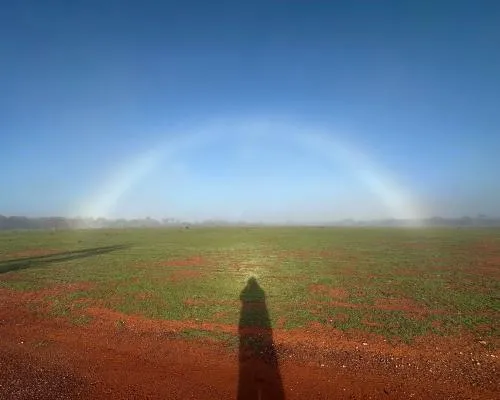 Rare Fogbows: A Meteorological Rarity in Australia
Fogbows are rare optical illusions seen in Australia during specific weather conditions. Learn about their formation and the factors required for them to appear.
-
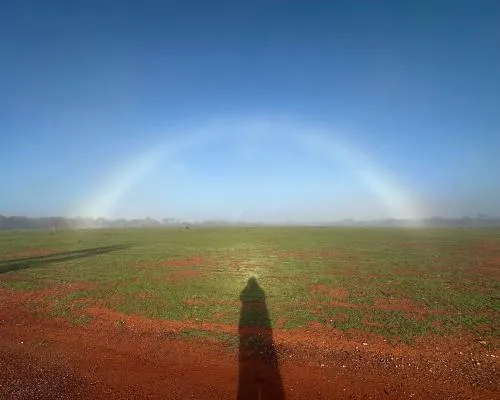 Mysterious Fogbows Emerge in Australia: A Rare Optical Illusion
Fogbows, rare atmospheric phenomena similar to rainbows but appearing in foggy conditions, have been observed in Australia. These fleeting illusions require precise alignment of sun and dense yet not too thick fog for visibility.
-
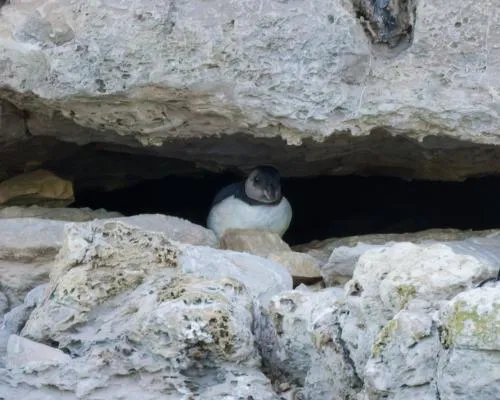 Rare Puffling Sighted After Three Decades on Dorset Coast
A rare puffling has been spotted on Dorset's coast after three decades, renewing hopes for the local puffin population.
-
 Water Leaks Outstrip Hosepipe Ban Savings in England and Wales
A new study reveals that water companies in England and Wales are losing five times more water through leaks than they could save with a hosepipe ban. Environmental campaigners warn of increasing droughts due to climate change.
-
 U.S. Voters Link Extreme Weather to Climate Crisis, Despite Trump’s Denials
A new survey reveals that the majority of American voters link extreme weather events, including heatwaves and floods, to the climate crisis. Despite Republican skepticism, the findings indicate growing public concern that surpasses political polarization on this issue.
-
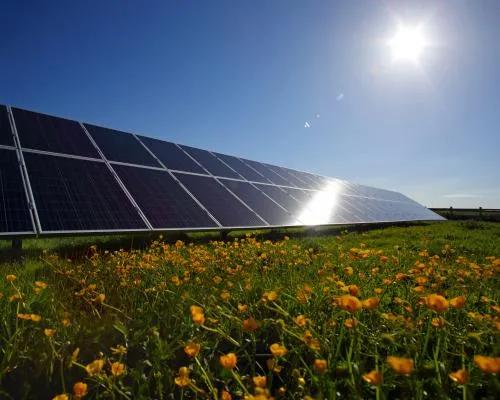 Carbon Capture as a Shield for Fossil Fuel Expansion Contested
An analysis of the arguments against using carbon capture as a shield for fossil fuel expansion, highlighting methane emissions and the superiority of renewable energy sources.
-
 UK Poultry Expansion Plan Met with Environmental and Food Security Concerns
Campaigners argue that the UK's proposed poultry growth plan could undermine national security due to its resource-intensive nature and reliance on imported feed.
-
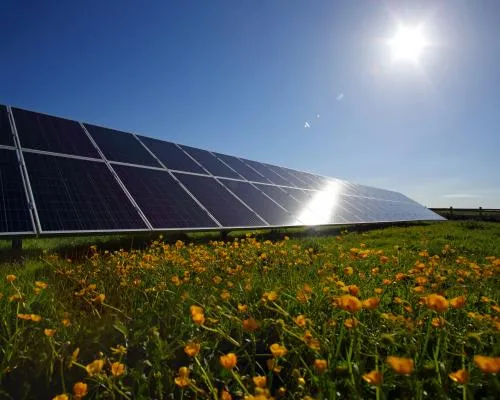 Critics Argue Carbon Capture Is a Deceptive Tool for Fossil Fuel Expansion
A letter in The Guardian discusses the high costs and limited effectiveness of carbon capture technologies compared to renewable energy sources, while critics argue these measures may merely serve as a cover for expanding fossil fuel industries.
-
 Topless Trends: The Scottish Custom of Taps Aff
Letters from readers discuss traditional Scottish practices like 'taps aff' and related debates on attire, prison conditions, and educational methods.
-
 Rare Sight: Red-Necked Phalarope Returns to Irish Marsh
A rare sighting of the red-necked phalarope, last seen breeding in Annagh Marsh for over 30 years, adds wonder and significance to a magical Irish coastal habitat.
-
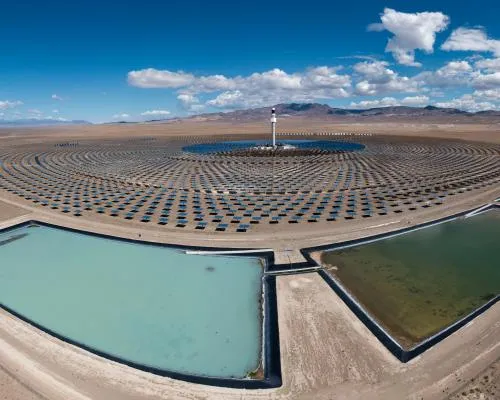 Innovative Energy Storage Solutions Revolutionize Clean Power
New battery technologies like cryobatteries, molten salt storage, sand batteries, and sweat-powered wearables are transforming the way we store and use renewable energy.


