- Paul Biya, Cameroon's president, has not been seen in public for 53 days.
- Speculation abounds that he may be ill or dead, despite official statements to the contrary.
- Cameroonians express concern over the absence’s impact on governance and economic stability.
Cameroon's president, Paul Biya, has been absent from public view for an unprecedented 53 days. The 93-year-old leader left for a private stay in Switzerland on June 7th, 2024 (year unspecified), alongside his wife, Chantal. Despite the duration of this absence, neither the president nor the first lady have addressed the country or been seen publicly since then.
Government Reactions and Statements
The government's response to Biya’s extended absence has been mixed, with conflicting statements from key officials. René Emmanuel Sadi, the minister of communication, claimed that President Biya is working from his Geneva residence and dismissed rumors about his condition as 'pure fantasy.' In contrast, Grégoire Owona, the labour minister, suggested that the president was simply on annual leave.
During another absence in October 2024, Cameroonian authorities banned any discussion of Biya’s health. However, local media have continued to publish claims that he is critically ill, and social media has seen a resurgence of jokes about him being a work-from-abroad president or a remote-work president.
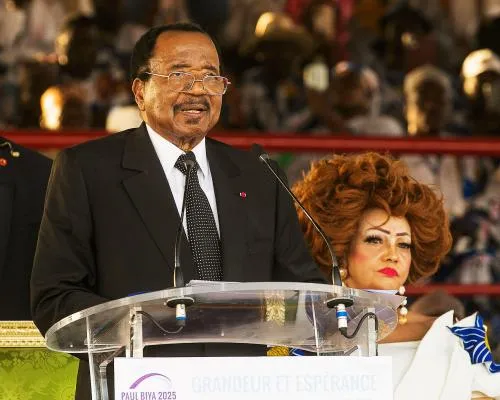
Background to the Story
Biya's prolonged absences are not new; in recent years, he has spent much of his time at the five-star InterContinental hotel in Geneva. There is no official timetable for his return from this latest trip abroad. This lack of clarity has raised significant concerns among Cameroonian citizens and opposition parties.
Mamadou Mota, vice-president of the Cameroon Renaissance Movement party, noted a 'glaring institutional vacuum' during Biya's absence. He argued that a country cannot be governed by remote control while critical socioeconomic challenges go unaddressed. Mota’s concerns are particularly relevant given the upcoming elections in 2027.
Concerns and Warnings
The absence of official information has further undermined public trust in the government, potentially affecting economic stability. Cameroonian authorities have previously dismissed any discussion about Biya's health status, but local media continue to publish rumors. This situation has created a sense of uncertainty among investors who are hesitant to commit resources due to the lack of clarity regarding political leadership.
Cameroon’s economy is the largest in central Africa, yet high unemployment rates, inflation, and poor public infrastructure have stymied the prospects for its young population. According to Kohtem Sambit, secretary general of the opposition Movement for Patriotism and People's Prosperity, 'The [ruling] CPDM party appears more interested in holding on to power than addressing the concerns of Cameroonians.' He also highlighted that a debt of over 21 billion Central African francs was signed by someone whose whereabouts are unknown.
In response to Owona’s remarks about annual leave, Sambit emphasized that the president is still accountable to the Cameroonian people because he is paid with taxpayers' money. He further called for an impartial procedure to determine any 'temporary or permanent incapacity of the head of state.'
Political Instability and Future Concerns
The absence has also sparked political instability, as Biya's son and stepson jockey for position. Public disagreements between cabinet ministers have become commonplace. In April 2024, parliament reintroduced the office of vice-president as part of a constitutional overhaul, but the position remains unfilled. This leaves Cameroon without a designated deputy should the president become incapacitated.
As Biya’s son and stepson vie for power, public disagreements between cabinet ministers have increased. Last week, Jean Nkuete, the party's secretary general, convened a rare meeting of senior party officials. The CPDM described the gathering only as an 'important working session' without releasing any further details or agenda.
For businessman Nji Lucas, Biya’s prolonged absence has become an economic concern: ‘I do not have confidence because it is almost as if the country i
Source: The Guardian

Guardian News World
609 posts
-
 Second State Reports Suspected Mass Bird Flu Deaths Amid Ongoing Outbreak
Aerial surveillance in South Australia and Victoria confirms multiple mass mortality events linked to H5 bird flu, raising concerns for ongoing wildlife impact.
-
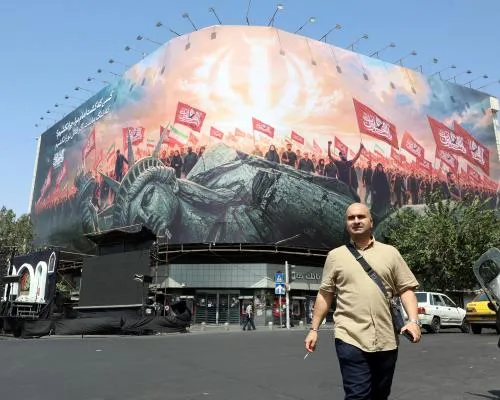 Iran Rejects US Talks Claims Amid Ongoing Regional Tensions
Iran denies upcoming talks with the US amid rising tensions, while crude oil prices fall and military operations continue in Lebanon.
-
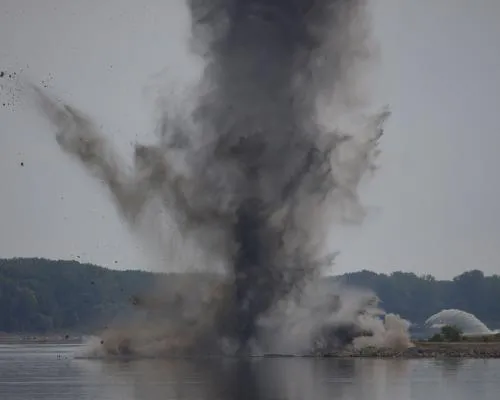 Europe Grapples with Severe Heatwave and Energy Crisis
Europe is facing a severe energy crunch due to extreme weather conditions, impacting nuclear power plants and hydropower generation across multiple countries.
-
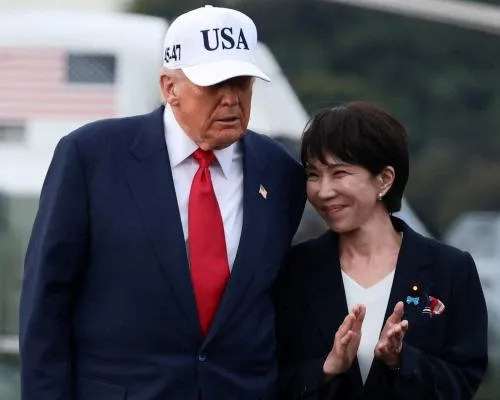 ASIA MENGINTVERNASIKAN RIEL JAPAN SEMBAYANG KEHAWATIRAN EKONOMI
ASIA MENGINTVERNASEKAN RIEL JAPAN SEMBAYANG KEHAWATIRAN EKONOMI
-
 'Nghĩa địa tàu chiến' Đức Quốc xã trồi lên giữa sông do hạn hán: Nhiều di tích lịch sử bị phơi bày
Hạn hán và nắng nóng kỷ lục đã làm mực nước sông Danube ở châu Âu xuống thấp, phơi bày nhiều di tích lịch sử dưới lòng sông. Tình trạng này không chỉ ảnh hưởng đến giao thông thủy, mà còn gây khó khăn cho ngành công nghiệ
-
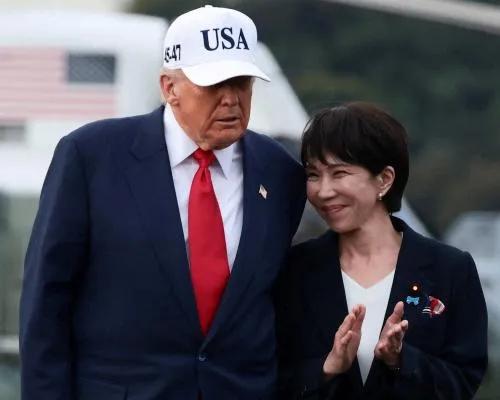 US Intervenes to Support Japanese Yen Amid Economic Concerns
The United States has intervened to support Japan's weakening yen, marking a rare cooperation that could impact global economic dynamics.
-
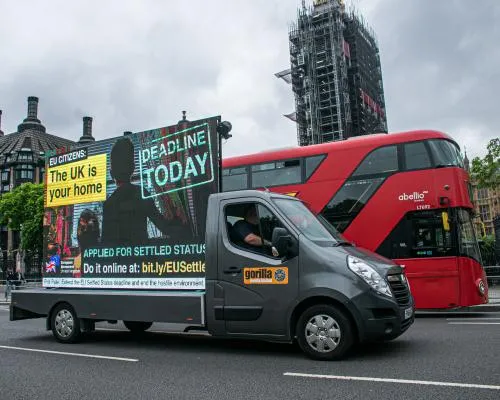 UK Kementerian Dalam Negeri Meninjau Hak Penginapan Warga Eropa
 -
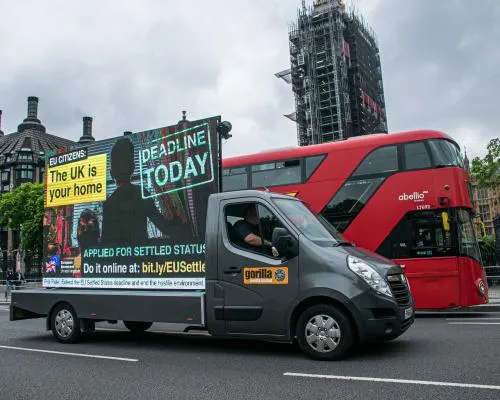 Cartas del Home Office Ponen en Juego los Derechos de Residencia de Cíos de la UE
El Home Office revisa algunos derechos de residencia post-Brexit de ciudadanos de la UE, potencialmente afectando a miles de personas que han construido sus vidas en el país.
-
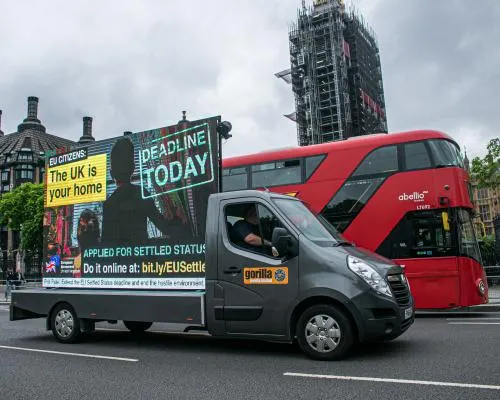 UK Home Office Letters Question EU Citizens' Residency Rights
The UK Home Office is reviewing some EU citizens' Brexit-related residency rights, potentially affecting thousands of people who have built their lives in the country.
-
 Police Failed to Arrest Suspect Before Infant’s Tragic Death
Cleveland police failed to arrest a man who had breached a non-molestation order before he sexually assaulted and killed his girlfriend's two-year-old daughter. Simpson was convicted alongside Walker for their roles in the murder, leading to life sentences.
-
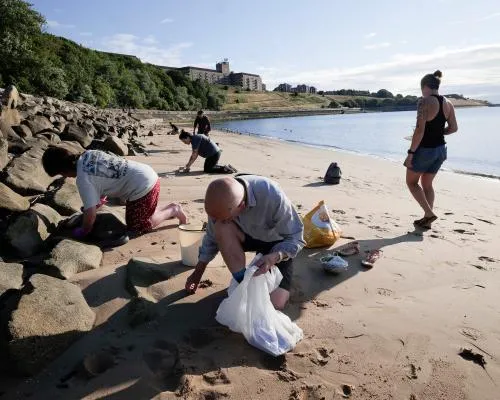 Voluntários se Mobilizam no Nordeste do Reino Unido para Limpar Descarga de Nurdles
Milhares de voluntários estão empenhados em uma gigantesca operação de limpeza na costa nordeste da Inglaterra, em resposta a uma descarga de partículas plásticas conhecidas como nurdles após um acidente de navio.


