- Employees have no automatic right to take time off for a match.
- Employers can investigate suspicious sick leaves but should avoid jumping to conclusions.
- Flexible working arrangements could improve morale and productivity.
What are the workplace policies regarding taking time off for the World Cup?
With England’s World Cup games kicking off at unconventional hours, employees might find themselves needing to take time off from work. Nicole Humphreys from Mayo Wynne Baxter highlights that there is no automatic right to leave work early or take a day off without prior notice. Employers typically have policies for requesting holidays which often require several days' notice.
For those who wish to take an unexpected day off, they must ensure their request aligns with the company's holiday policy. If not given proper notice, taking leave might result in disciplinary action or even a warning on the employee’s record. However, if work is essential and the absence cannot be avoided, employees may have to make up for lost time.
How should employers handle sick leaves claimed due to World Cup results?
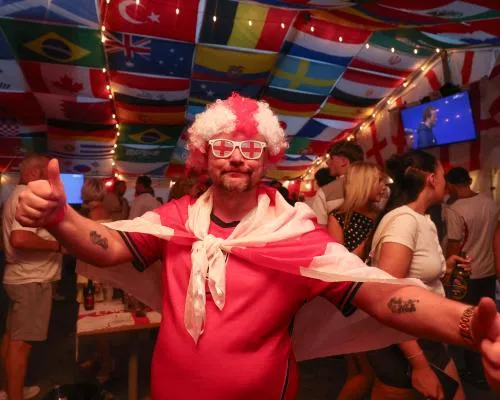
Employers must approach claims of illness with caution but also with an open mind. Joanne Moseley from Irwin Mitchel advises that while employees should have a clear explanation for their absence, employers can investigate if suspicions arise. This includes verifying the reason given and checking for inconsistencies in the employee's behavior or social media activity.
Self-certification may be required to substantiate claims of illness, but employers must remain vigilant without being overly suspicious. The TUC has called on companies to maintain a balance between understanding employee needs and maintaining workplace discipline.
Handling lateness due to the World Cup match
Avoiding late arrivals can be tricky for those working early morning hours when the game is still in progress. Typically, employers do not take action unless tardiness becomes a recurring issue. The Trades Union Congress (TUC) suggests that workplaces should consider flexible options like later start times or remote work to accommodate viewers.
If England secures an early victory, future games will be scheduled at more manageable hours, easing the challenge of balancing work and cheering for the team. However, if you are in a job requiring you to stay late, you may face increased pressure to arrive on time. Employers could offer additional support or incentives to maintain productivity.
What should employers do to avoid unfairness?
Employers need to ensure fair treatment of their workforce by considering various team loyalties and accommodating requests for leave or flexible working hours. Vivek Dodd from Skillcast advises that policies should be applied consistently across the board, regardless of which national team employees support.
Danielle Parsons from Irwin Mitchell warns against the precarious nature of hospitality work, where sudden changes in shift patterns can impact workers with family responsibilities. Employers must ensure compliance with minimum wage laws and other legal protections, particularly during extended working hours due to the World Cup.
Conclusion
The upcoming World Cup games promise both excitement and workplace challenges. While some employers may be lenient in accommodating workers' interests, others might face difficulties balancing their business needs with employees' personal commitments. As England's success stories unfold, employers are encouraged to adopt flexible working practices that could enhance employee satisfaction and maintain productivity.
Source: The Guardian

Uk News Feed
285 posts
-
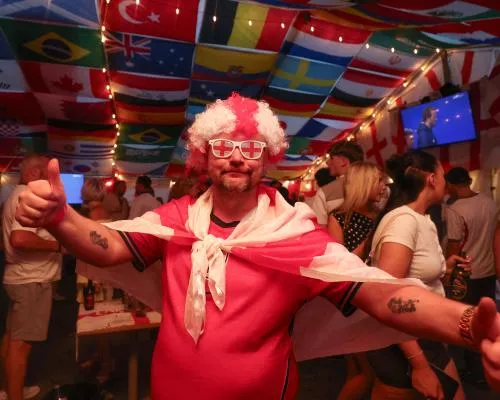 Workplace Implications of World Cup Kick-Off Times
This article explores how World Cup kick-off times affect workplace attendance and rights, offering advice for both workers and employers.
-
 US Candidates Face Backlash Over Gaza Protests
US congressional candidates face controversy over their stances on Israel-Palestine conflict during protests, highlighting its role in US politics.
-
 US Elections and Israel-Palestine Conflict Spark Controversies
US congressional elections have been dramatically affected by the Israel-Palestine conflict, with incidents involving candidates in California and New York sparking significant debates.
-
 Indonesia thu hồi thi thể phi công Mỹ trong chiến dịch không đối kháng
Quân đội Indonesia triển khai trực thăng thu hồi thi thể phi công Mỹ bị phe ly khai ở Tây Papua.
-
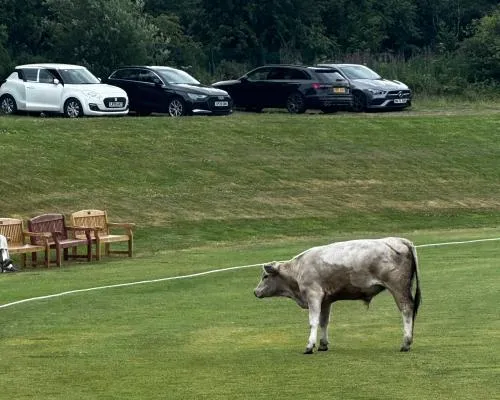 Cricket Match Abandoned After Runaway Bull Charges Playing Field
A cricket match in Burnopfield near Newcastle had to be abandoned after a runaway 800kg bull charged at players and spectators, causing safety concerns.
-
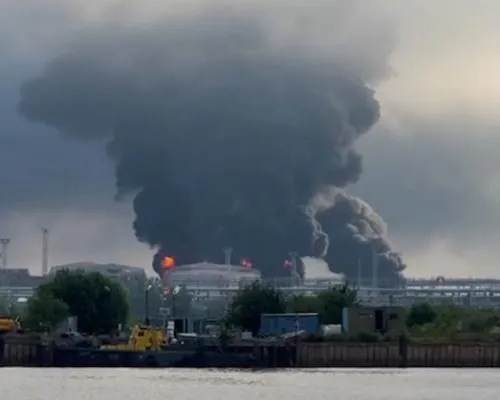 Ukrainian Drone Strikes Hit Russian Ports Amid Intensified Military Campaign
Ukraine launched a large-scale overnight drone attack on St Petersburg's oil terminal, causing minor damage but no casualties. The strikes target critical Russian infrastructure as part of Ukraine’s long-range sanctions strategy.
-
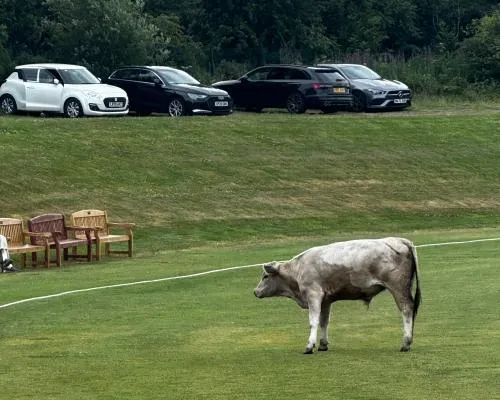 Cricket Match Interrupted by Runaway Bull
A cricket game was interrupted by a runaway bull, leading to its abrupt abandonment after posing significant safety risks.
-
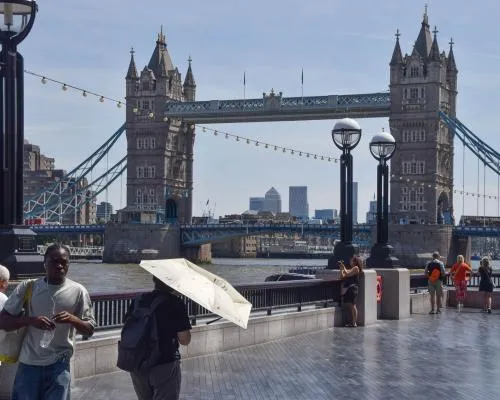 UK set for week-long heatwave with 34C forecast
The United Kingdom is bracing for a week-long heatwave with peak temperatures reaching 34C in the south-east by Thursday or Friday.
-
 UK Expects Week-Long Heatwave with Peak at 34C
The UK faces a week-long heatwave with temperatures peaking at 34C in the south-east, prompting health alerts and water restrictions.
-
 Trump Lawyers Seek Delay in Payment to E Jean Carroll
Trump’s legal team seeks court permission to delay payment of a $5.8 million judgment to E Jean Carroll, who claims she was sexually abused by the former president.


