Social media is now a potent instrument of expression, networking, and business in the digital age of communication. Facebook, Instagram, X (Twitter), and WhatsApp platforms connect millions of Indians every day. But this convenience is accompanied by the emergence of cyber crimes on social media- online harassment, stalking, trolling, and defamation.
These crimes may lead to emotional distress, negative publicity, and even loss of money. Fortunately, the Indian legislation has various legal remedies against cybercrimes on social media. The best cybercrime lawyer in India can also help the victims substantiate their case by ensuring that their rights are well taken care of by the law.
Common Social Media Cyber Crimes in India
- Online Harassment and Cyberstalking
Releaseless abusive, threatening, or obscene messages sent on social media.
- Defamation
Posting, publishing, or sharing false statements, memes, or posts to damage the reputation of a person.
- Impersonation and Fake Accounts

Faking social media accounts to trick people, swindle customers, or slander a person.
- Obscene Content and Morphed Images
Posting morphed material or personal photos without the owner's permission.
- Trolling and Bullying
Using a group of online assaults to intimidate or embarrass a target.
Legal Provisions Against Social Media Cyber Crimes
There are several laws in India to fight against victims of online harassment and defamation. The most important legal remedies are:
- Information Technology (IT) Act, 2000
- Section 66A (repealed in 2015, but covered up by alternate sections): Previously addressed offensive messages.
- Section 66C and 66D: Cracks down on identity theft and impersonation.
- Section 67 & 67A: Imposes a penalty on the publication of obscene or sexually explicit material on the Internet.
- Indian Penal Code (IPC), 1860
- Section 354D: Prosecutes stalking, such as cyberstalking.
- Sections 499 and 500: Relate to defamation and impose prison/fine.
- Section 507: Discusses threatening crimes of anonymity.
- Other Safeguards
The victims may also make complaints according to the provisions of the Criminal Procedure Code (CrPC) or go to the civil courts to seek damages.
Remedies Available to Victims
- Filing a Complaint with Cyber Crime Cells
Victims can approach the nearest Cyber Crime Cell or file complaints online via the National Cyber Crime Reporting Portal (cybercrime.gov.in). Complaints should include evidence such as screenshots, chat history, and links.
- Filing an FIR with the Police
In case the crime is grave, the victims must insist on an FIR at the local police station as per applicable sections of the IPC.
- Civil Remedies
Besides criminal, victims may initiate civil actions in the form of an award of damages and compensation in the event of defamation or loss of reputation.
- Approaching Social Media Platforms
The majority of the platforms have their own systems of reporting abuse, blocking accounts, or deleting offensive content. This must be done immediately, together with legal redress.
Why Legal Assistance Matters
Although laws are in place, it is not very straightforward when dealing with cybercrime cases. An understanding is needed to collect digital evidence, make the appropriate complaint, and see the investigation through. India has the best cybercrime lawyer who can:
- Write a good cybercrime complaint.
- Keep evidence stored appropriately.
- Defend victims of criminal or civil litigation.
- Provoke more serious intervention by law enforcement agencies.
Otherwise, most complaints will be rejected because of technical problems or insufficient evidence without professional assistance.
Preventive Measures for Social Media Users
- Do not provide personal sensitive information in a public setting.
- Use tough passwords and have two-factor authentication.
- Periodically check privacy settings on social networks.
- Immediately report suspicious profiles.
- Preserve electronic evidence before deleting bigotry.
Conclusion
Cyber crimes are increasing rapidly through social media, like harassment, defamation, and identity theft in India, with millions of victims suffering emotionally and reputationally. Luckily, Indian law offers solutions with the IT Act, 2000, and the IPC, as well as the means of complaints with cyber cells and police stations.
Nevertheless, the victims are advised to seek the best lawyer in India to help in achieving the desired justice. An accomplished attorney can work through the intricate cyber law, build the case with adequate evidence, and bring the perpetrator to book.

RightToLaw
14 posts
-
 Biểu tượng hip-hop Hàn Quốc Kim Sung-jae bất ngờ qua đời với 28 vết kim trên cánh tay
Nam ca sĩ hip-hop Kim Sung-jae ra mắt solo nhưng ngay một ngày sau đó được phát hiện tử vong với 28 vết kim trên cánh tay, gây ra nhiều nghi vấn về nguyên nhân tử vong và kết luận của tòa án.
-
 Cựu giám đốc Đại học Huế và đồng phạm lĩnh án 13 năm tù
Cựu giám đốc Đại học Huế Lê Anh Phương và đồng phạm bị tuyên phạt 13 năm tù về tội lạm dụng chức vụ chiếm đoạt tài sản từ việc thu phí cao hơn quy định.
-
 Caso buôn lậu kim cương quy mô lớn được lật tẩy qua livestream bán hàng tại Thanh Hóa
Công an Thanh Hóa phát hiện một chuyên án về buôn lậu kim cương qua livestream bán hàng, với 38 người bị khởi tố.
-
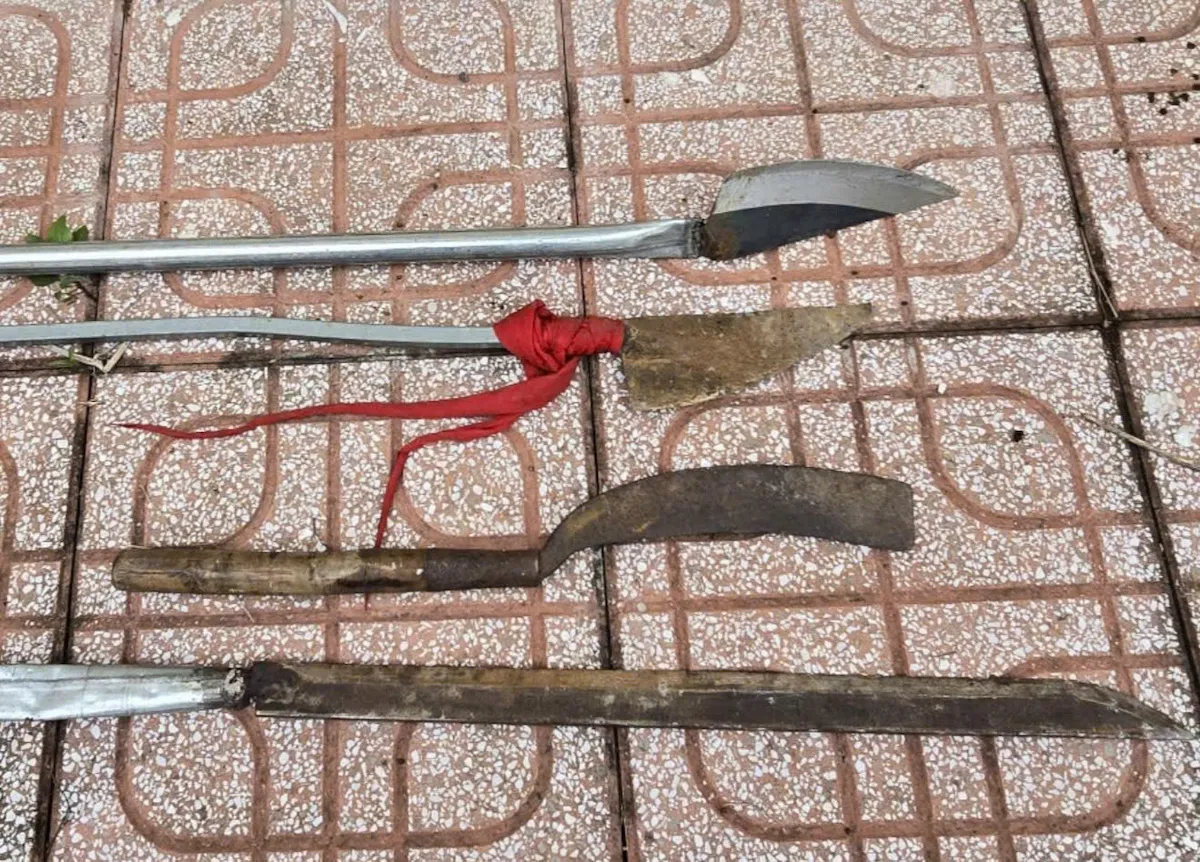 Bắt giữ 16 thanh thiếu niên dùng dao phóng lợn cản trở cảnh sát
Nhóm thanh thiếu niên ở Đồng Nai bị tạm giữ vì dùng dao phóng lợn cản trở cảnh sát khi bị truy đuổi.
-
 Phản ứng gay gắt từ nữ tiếp viên karaoke dẫn đến vụ đánh thương tích
Vụ đánh nữ tiếp viên karaoke gây thương tích nghiêm trọng dẫn đến việc ông Hà Mạnh Dũng bị khởi tố và bắt giam.
-
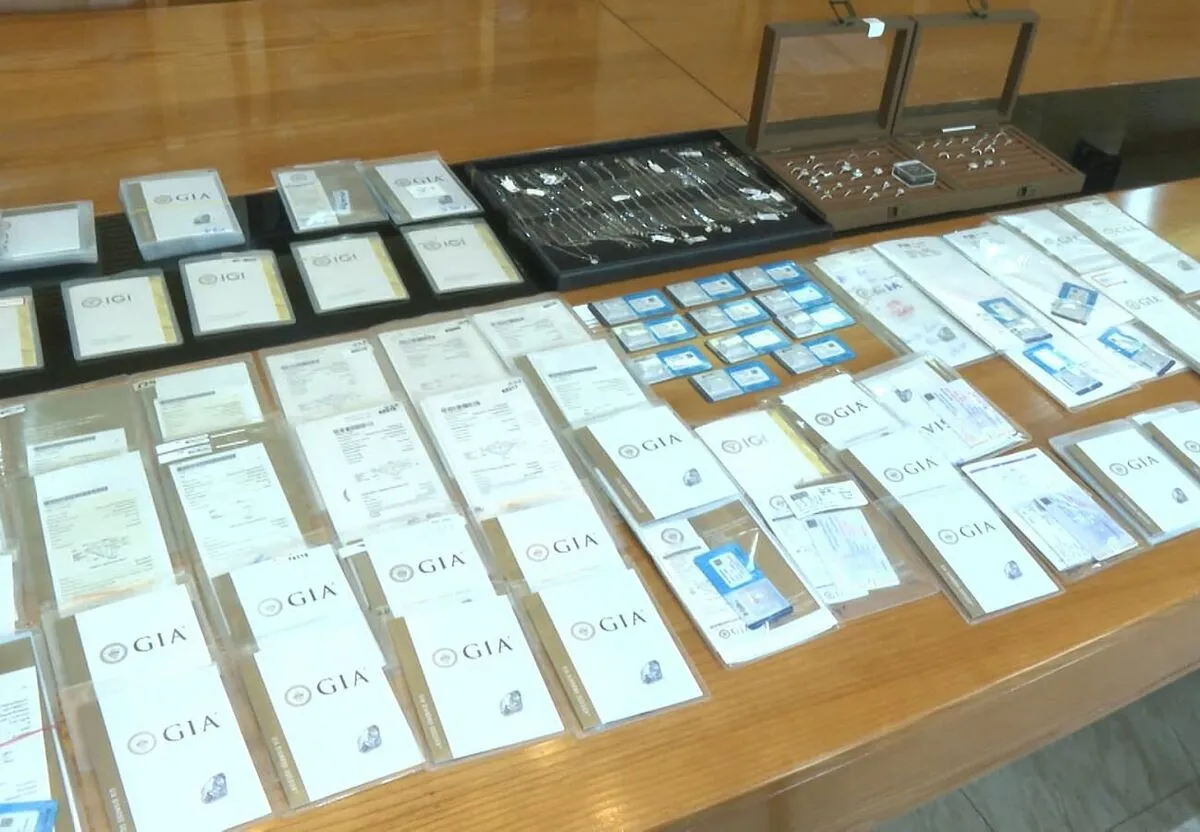 Triệt phá đường dây buôn lậu kim cương quy mô lớn
Công an tỉnh Thanh Hóa triệt phá đường dây buôn lậu kim cương từ Hong Kong vào Việt Nam với 22 nghi can bị khởi tố, thu giữ hơn 1.100 viên kim cương và doanh thu ước tính 280 tỷ đồng.
-
 Việc giao công việc ngoài giờ hành chính và quy định kỷ luật
Việc giao công việc sau giờ hành chính có thể dẫn đến kỷ luật lao động nếu người lao động không hoàn thành nhiệm vụ, nhưng không áp dụng nếu không thỏa thuận làm thêm.
-
 Người đàn ông bị bắn tử vong trước quán nước ở Đắk Lắk: Nghi vấn mâu thuẫn nợ nần
Người đàn ông 47 tuổi bị bắn tử vong trước quán nước ở Đắk Lắk, nghi vấn mâu thuẫn nợ nần; cơ quan điều tra đang truy bắt nghi phạm.
-
 Đánh nữ tiếp viên karaoke vì bị phản ứng: Vụ án Cố ý gây thương tích
Hà Mạnh Dũng bị khởi tố và bắt giam vì hành vi cố ý gây thương tích đối với nữ tiếp viên khi bị phản ứng sau hành vi đụng chạm thân thể tại quán karaoke Golden Bell.
-
 8 nữ sinh bị bắt vì vụ hỏa hoạn khiến 16 bạn học tử vong
8 nữ sinh bị bắt với tội danh phóng hỏa tại trường nội trú nữ sau thảm kịch khiến 16 bạn học tử vong.
-
 Bị cáo buộc nhập lậu hơn 18 tấn việt quất tươi về Việt Nam tiêu thụ
Dương Thế Mạnh, tổng giám đốc Công ty TNHH phát triển nông nghiệp Greenland, bị khởi tố vì nhập lậu hơn 18 tấn việt quất tươi vào Việt Nam, gây lo ngại về quản lý biên giới.


