- Council crackdown targets caravans in agricultural fields, impacting homeless individuals.
- Cornwall's economy attracts tourists but limits long-term housing for locals.
- Over 23,000 people are on the social housing waiting list in the county.
Homelessness Crisis Among Van Dwellers
In a tightening grip of local regulations, thousands of people living in vans and caravans across Cornwall face eviction due to planning infringements. Dawn, a 59-year-old former care worker who now cleans holiday lets in Cornwall, recently received an unexpected notice from the council after her horsebox home was captured on aerial photos. This situation has left her heartbroken as she struggles with the prospect of once again losing her only shelter.
Impact of Tourism on Housing Market
The influx of tourists driving through Cornwall’s picturesque landscapes has created a lucrative market for short-term rentals, such as Airbnb properties and holiday homes. This boom in tourism has left many locals unable to find affordable long-term housing. With around 13,000 visitors owning second homes in the county, the competition for long-term rentals is fierce, driving up prices significantly.
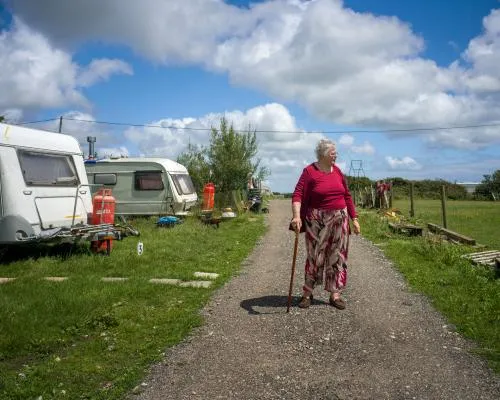
Around 4 million tourists visit Cornwall annually, drawn by its picturesque coves and seaside villages. This tourism boom has made it more lucrative for landlords to own one of an estimated 24,000 Airbnbs and holiday lets rather than let houses longer term to local people. With about 13,000 visitors also owning second homes in Cornwall, there is fierce competition for longer rentals in many areas, driving prices high.
Community of Vulnerable Individuals
The situation at Potters Farm near Falmouth highlights the plight of those facing homelessness. The 75-year-old owner, Sue Nicholls, rents pitches to about 35 people who otherwise would be left with no option but to live in precarious conditions. Many of these individuals were referred to her by a local homeless charity after being identified as homeless by the council.
One man who came to Nicholls was living under a bridge in nearby Penryn for three months before he moved there. All residents now face possible eviction. “If the council decides they can’t stay, where will they go?” Nicholls said. “Everyone here is vulnerable with serious mental and physical health problems.” Nicholls claimed the council had known for years she was taking in homeless people and never told her she needed a licence.
Despite the scrutiny from the council, Nicholls remains committed to helping vulnerable residents find a safe and stable place to stay. “I’ve now used all my savings to apply for individual planning permission for every caravan and I’ve demonstrated that I am meeting every one of their safety and environmental standards,” she said.
Residential Evictions and Council Response
The Cornwall council has announced that it will enforce planning regulations more strictly, targeting caravans in agricultural fields. In one instance, the council served notices on half of the infringements, affecting those living in vans like Dawn. A spokesperson for the council acknowledged the sensitive nature of these issues but emphasized their role in ensuring appropriate development and protecting local amenities.
While enforcement is strict, the council has also received criticism over its approach. Dawn’s case highlights the human impact of such policies. “The constant packing up and moving was exhausting and stressful,” she said. She could not even afford a room in a shared house on her wages. “Last winter the roof leaked and I was living with damp and mould,” she added.
As Dawn and others like her face eviction, the council’s actions have sparked widespread concern among vulnerable individuals who rely on vans and caravans as temporary homes. The situation has highlighted the urgent need for a balanced approach that considers both regulatory compliance and the human impact of such policies.
Conclusion
The crackdown on planning violations in Cornwall has sparked widespread concern among vulnerable individuals who rely on vans and caravans as temporary homes. As the number of social housing applicants continues to rise, the situation highlights the urgent need for a balanced approach that considers both regulatory compliance and the human impact of such policies.
Source: The Guardian

Uk News Feed
281 posts
-
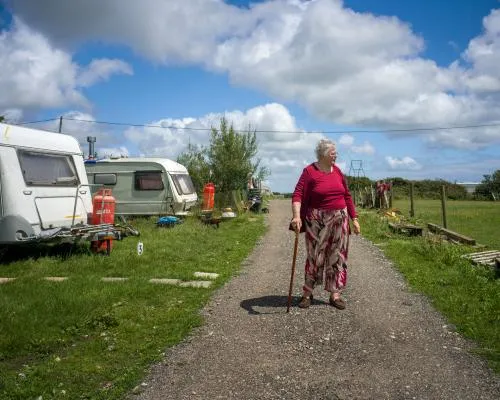 Council Crackdown Threatens Homeless Residents in Cornwall
Cornwall’s council crackdown on planning infringements is leading to potential evictions among van dwellers and horsebox residents who have been struggling with housing shortages and high costs.
-
 Cape Verde: Đảo quốc nhỏ trở thành hiện tượng tại World Cup 2026
Cape Verde gây bất ngờ tại World Cup 2026 khi đội bóng quốc đảo nhỏ đầu tiên tham dự giải này thể hiện ấn tượng.
-
 Trump's Independence Day Address Sparks Controversy with Anti-Communist Rhetoric
President Donald Trump launched Independence Day celebrations by delivering an anti-communist speech at Mount Rushmore, focusing on upcoming midterm elections.
-
 Khóa huấn luyện 'helo dunker': Cách lính Mỹ thoát hiểm trong tình huống nguy cấp
Khóa huấn luyện 'helo dunker' giúp lính thủy đánh bộ Mỹ học cách thoát khỏi trực thăng bị lật úp và chìm xuống nước, nâng cao khả năng sinh tồn trong tình huống khẩn cấp.
-
 Pope Leo Honors US Immigration History During Lampedusa Visit
Pope Leo uses his first major address in the U.S. to praise its history of welcoming immigrants, while visiting Lampedusa to highlight the plight of refugees.
-
 The Week in Brief: Margo Leadbetter's Legacy and Serena Williams' Return
This week, the passing of Penelope Keith brought back memories of classic sitcoms, while Serena Williams' Wimbledon comeback sparked discussions on ageless athletic prowess. Meanwhile, the eagerly anticipated Bayeux Tapestry exhibit at the British Museum highlighted a surge in histor
-
 Great American State Fair Struggles with Heat and Low Attendance
The Great American State Fair faced challenges with low turnout and heat issues, despite initial hype by President Trump.
-
 Việt Nam trao trả hài cốt quân nhân Mỹ tìm thấy ở Quảng Trị: Sự kiện mang tính biểu tượng
Việt Nam và Mỹ tổ chức lễ trao trả hài cốt quân nhân mất tích từ đợt khai quật ở Quảng Trị, thể hiện thiện chí và nỗ lực hợp tác của cả hai quốc gia.
-
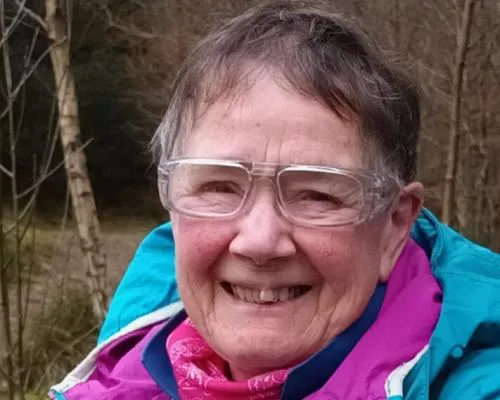 Community Activist Sheila MacKay Honored for Lifelong Fight Against Injustice
Sheila MacKay dedicated her life to community work, education, and activism for peace and justice, co-founding the Gareloch Horts group that continues its fight against nuclear weapons.
-
 Romanians Sentenced for Attack on Iranian Journalist Outside London Home
Two Romanians have been jailed for a knife attack on an Iranian journalist in Wimbledon, which prosecutors say was carried out on behalf of the Iranian regime.


