Vibration Control System Market Capturing Opportunities in High-Speed Trains and Advanced Rail Infrastructure Projects

The global vibration control system market is witnessing substantial growth as high-speed train systems and advanced rail infrastructure projects continue to expand across developed and emerging economies. With governments investing heavily in modernizing rail transport, the demand for vibration control solutions that enhance safety, stability, and passenger comfort has significantly increased.
Railway networks—especially high-speed and urban transit systems—require robust vibration isolation technologies to address mechanical stress, environmental vibrations, and structural fatigue. As a result, vibration control systems are becoming essential components in the design and maintenance of next-generation rail infrastructure.
1. Why Vibration Control Is Vital in High-Speed Rail
High-speed rail systems operate at velocities that intensify the impact of mechanical vibrations on both rolling stock and infrastructure. Without adequate vibration control, trains can experience:
- Decreased ride quality
- Accelerated wear on tracks, wheels, and bogies
- Safety risks due to unstable operations at high speeds
- Increased maintenance frequency and operational downtime
- Noise pollution impacting both passengers and nearby communities
Vibration control systems are engineered to counteract these challenges, ensuring smoother operation, reduced component fatigue, and longer equipment lifespan.
2. Key Components of Rail Vibration Control Systems
Modern railway vibration control involves a combination of passive, active, and hybrid damping solutions tailored to both vehicle and track systems.
Primary and Secondary Suspension Systems
These systems isolate the car body from track-induced vibrations, improving stability and passenger comfort.
Elastomeric Pads and Bushings
Installed between wheels, axles, and frames, these dampers absorb shocks and reduce vibration transmission throughout the train.
Floating Slab Tracks and Ballast Mats
Used in track construction to minimize ground-borne vibrations and protect urban environments from rail noise.
Active Vibration Control Units
Deployed in advanced trains, these real-time systems use sensors and actuators to adjust damping based on train speed, load, and track conditions.
3. Enhancing Passenger Comfort and Ride Quality
One of the main goals of integrating vibration control systems in rail transport is to improve the passenger experience. Vibrations from uneven tracks or wheel-rail contact can lead to:
- Motion sickness
- Discomfort during long journeys
- Unstable seating and standing conditions
- Disturbances in onboard equipment like infotainment or Wi-Fi systems
By stabilizing motion and reducing oscillation, vibration control technologies create a quieter, more pleasant, and safer ride for travelers—an important factor in increasing ridership.
4. Applications in Advanced Rail Infrastructure Projects
As countries invest in futuristic rail systems, vibration control is becoming standard in key infrastructure components:
- Bridges and elevated tracks: Equipped with expansion joints, dampers, and base isolation to handle dynamic train loads.
- Underground tunnels: Require special vibration control to protect nearby structures and reduce noise transfer to surface buildings.
- Rail stations and terminals: Use floating floors and vibration-absorbing materials to maintain structural integrity and passenger comfort.
- Smart railway systems: Employ IoT-enabled vibration sensors for real-time monitoring and predictive maintenance of tracks and rolling stock.
These applications ensure both infrastructure durability and optimal operational efficiency.
5. Global Growth Drivers
Several macroeconomic and technological trends are driving the expansion of the vibration control system market in the rail sector:
- Rising investment in high-speed rail projects in countries like China, India, Japan, France, and the U.S.
- Urbanization and the push for sustainable mass transit solutions
- Government initiatives promoting green transportation infrastructure
- Adoption of smart rail systems and predictive maintenance technologies
- Increased focus on passenger safety and experience
As rail systems become faster, smarter, and more complex, the need for advanced vibration mitigation will only intensify.
6. Future Innovations in Rail Vibration Control
Ongoing research and innovation are leading to next-generation solutions for the rail industry:
- AI-powered control systems that automatically adapt damping based on real-time feedback
- Advanced composite materials offering higher durability and flexibility in vibration absorption
- Modular damping components for easier integration and maintenance
- Wireless monitoring networks enabling continuous performance diagnostics across entire rail fleets
These advancements will enable safer, quieter, and more efficient rail systems, especially in high-density urban environments and long-distance routes.
Conclusion
The vibration control system market is capturing critical opportunities in the growing global rail sector, especially in high-speed train and infrastructure development. With the increasing demand for comfort, efficiency, and sustainability in public transport, vibration control technologies are becoming indispensable for modern rail systems. From track design to rolling stock performance, these systems are enhancing safety, extending equipment life, and ensuring a smoother ride—positioning them as essential components of the future of rail.
Aradhana Nair
41 posts
-
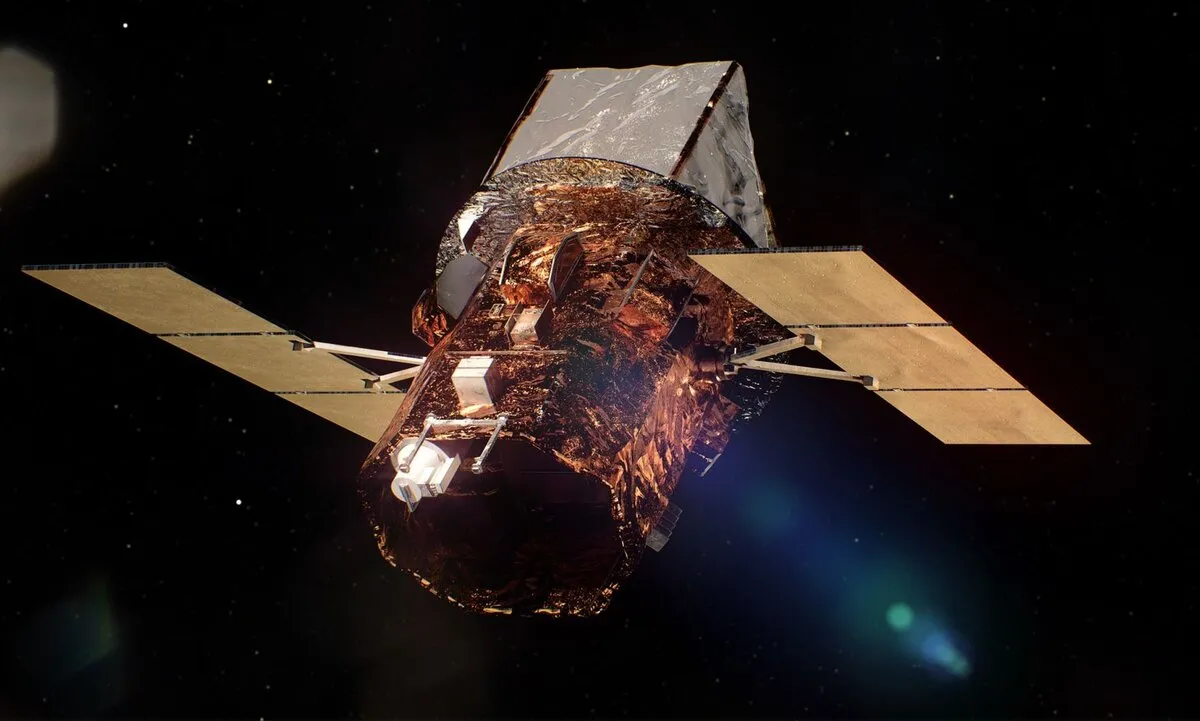 NASA triển khai robot cứu kính viễn vọngSwift trị giá 250 triệu USD
NASA triển khai robot để cứu kính viễn vọngSwift trị giá 250 triệu USD, đặt ra phương án tương lai cho hoạt động tương tự.
-
 Elon Musk's Social Media Focus on UK Race and Immigration Overshadows SpaceX IPO
An analysis of Elon Musk’s X posts reveals that he focused more on UK race and immigration during SpaceX’s IPO run-up than his own company.
-
 Mark Zuckerberg: CEO công nghệ với đam mê chăn nuôi 'thịt bò tốt nhất thế giới'
CEO Meta Mark Zuckerberg đầu tư vào dự án chăn nuôi để tạo ra loại thịt bò chất lượng cao nhất thế giới.
-
 UK’s Stargate UK Datacentre Project: A Hyped but Hypothetical Investment
The Stargate UK datacentre project appears to be a largely hypothetical investment, with key partners failing to visit the proposed site. Local leaders question its feasibility and authenticity.
-
 Cảm biến bóng xác định việt vị: Thế nào để quyết định chính xác?
FIFA sử dụng cảm biến tích hợp trong quả bóng để xác định tình huống việt vị và đưa ra quyết định chính xác.
-
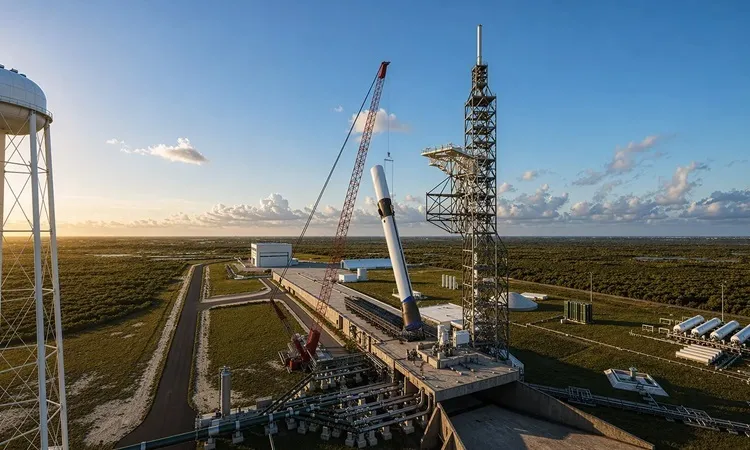 Blue Origin tái cấu hình phóng sau vụ nổ New Glenn
Blue Origin chuyển cấu hình phóng sau vụ nổ New Glenn để tăng tần suất bay.
-
 OpenAI's Sydney Office: NSW Government's Hesitation Amid AI Dystopia Fears
NSW government's cautious approach to OpenAI's Sydney office, balancing enthusiasm with environmental concerns.
-
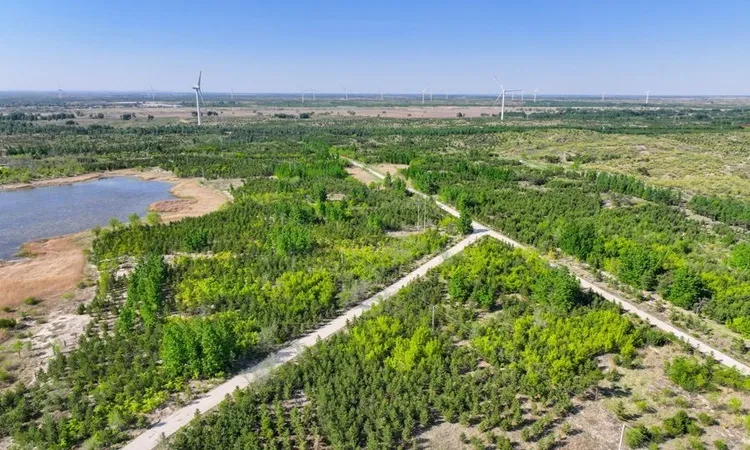 Vạn Lý Trường Thành Xanh: Trồng Cây Nhanh hơn Rừng Tự Nhiên
Dự án Vạn lý Trường thành Xanh trồng 66 tỷ cây xanh với tốc độ sinh trưởng nhanh hơn, hấp thụ CO2 hiệu quả hơn so với rừng tự nhiên.
-
 AI tools heighten risk for children: Experts urge parents to take caution
As AI tools become more sophisticated, children are at risk of having their photos used by predators to create explicit material. UK watchdogs advise parents to be cautious online.
-
 Phương thức xác thực khuôn mặt khi đổi SIM sang điện thoại mới
Bộ Khoa học và Công nghệ yêu cầu xác thực khuôn mặt khi đổi SIM sang máy mới để chống lại sử dụng SIM không chính chủ.
-
 The Ethical Direction of AI: Philosophers vs. Practicalities
Letters to The Guardian discuss the role of ethics in artificial intelligence development, questioning whether philosophical considerations are overshadowed by economic and practical concerns.


