- US launches new military strikes against Iran over attacks on vessels in the Strait of Hormuz.
- Iran vows response after US targets military sites in southern parts of the country.
- Tensions rise as oil prices increase due to renewed hostilities, threatening global shipping and energy markets.
What Happened
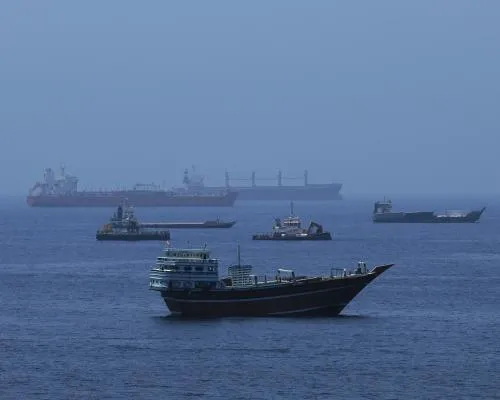
The United States has conducted a series of new strikes against Iran following attacks on commercial vessels in the Strait of Hormuz. According to US Central Command, over 80 targets were hit as part of these military actions. The comments come as Iran’s top joint military command accused the US army of conducting “blatant aggression” and vowed a “crushing response.” This marks the first known US strikes against Iran since late last month, when there were several days of counterstrikes between both nations.The strikes targeted Iranian air defense systems, port facilities, coastal surveillance systems, ground-to-air missiles, launch sites for anti-ship cruise missiles and drones, as well as other strategic infrastructure in various locations including port facilities and launch sites. A US military official confirmed that these attacks were in response to Iranian attacks a day earlier on three commercial vessels transiting the Strait of Hormuz.
Iranian state media reported numerous explosions around the strait, including six on the island of Qeshm, seven in the city of Sirik, and more in the major port city of Bandar Abbas. The US Treasury cancelled a license that allowed Iran to produce, sell, and deliver crude oil through 21 August, further impacting global markets.
Reactions to the Strikes
The Iranian leadership has been actively using Khamenei's recent funeral to consolidate its control and maintain its narrative. The US strike on southern Iran followed President Trump’s earlier threats, reflecting his stance that negotiations or military action will determine outcomes. Iranian president Masoud Pezeshkian, who was in Iraq to participate in the funeral ceremonies, left for Iran after the US strikes on southern Iran, state television reported.Iran’s foreign ministry lashed out against the US, vowing to “take whatever measures it deems necessary to safeguard its national interests and security.” Kazem Gharibabadi, Iran’s deputy foreign minister, insisted that Iran would “take decisive actions to safeguard its national interests and security.”
Qatar accused Iran of attacking commercial vessels, including the huge Qatari liquefied natural gas tanker, the Al Rekayyat, which was reportedly struck overnight by a drone causing engine damage. The cause was not immediately clear.
The US responded by revoking a temporary sanctions waiver for Iranian oil, impacting global markets and increasing oil prices. The West Texas Intermediate crude benchmark increased 2.63% to $72.29 per barrel, marking a notable rise from Tuesday's increase of 2.76%.
Background and Implications
The fragile ceasefire between the US and Iran has been under strain, particularly over control of the Strait of Hormuz. This waterway is crucial for global shipping and energy supplies, making any conflict here highly significant. Analysts suggest that Iran uses such attacks to exert leverage during negotiations.A day after Iranian strikes on three commercial vessels, the US launched fresh strikes on Iran. This marks a significant escalation in tensions between both countries, raising concerns about the stability of global oil markets and regional security. Analysts warn that continued hostilities could disrupt shipping and lead to further price hikes.
Oil prices increased by more than 2.5% after markets opened on Wednesday due to renewed tensions in the Middle East. The West Texas Intermediate crude benchmark was up 2.63% at $72.29 per barrel, marking a notable rise from Tuesday's increase of 2.76%. Continued hostilities could disrupt global shipping and lead to further price hikes.
What Comes Next
The US strikes on Iran are expected to last for hours, targeting Iranian military infrastructure in various locations including port facilities and launch sites. The response from both sides indicates a potential for prolonged conflict, raising concerns about the stability of global oil markets and regional security.A day after the US strike, several reports emerged indicating that black smoke behind Bandar Abbas fish market caused by “enemy projectiles” had set fire to several civilian fishing boats. Additionally, Iran’s Fars news agency reported that there were six explosions on Qeshm island and seven in Sirik city.
The conflict is expected to continue with both sides showing no signs of backing down. Analysts predict that the global oil market will remain volatile, and any further escalation could lead to a significant disruption of trade routes through the Strait of Hormuz.
Source: The Guardian

Guardian News World
492 posts
-
 US Strikes Iran in Retaliation; Tensions Escalate Amid War of Words
US strikes on Iranian targets after ship bombings; Iran vows retaliation amid rising tensions.
-
 US Military Launches New Strikes in Iran as Trump Warns of Further Retaliation
The United States launches new military strikes against Iran following attacks on commercial vessels in the Strait of Hormuz. Regional leaders urge restraint as tensions rise.
-
 Ukraine tập kích nhà máy lọc dầu Nga qua biên giới, mở rộng chiến dịch không gian
Ukraine tiếp tục mở rộng chiến dịch tấn công trên không, sử dụng UAV tầm xa mới để tập kích mục tiêu tại Siberia và Azov.
-
 Celebrities set to headline World Cup final halftime show
Famous artists to perform at World Cup final halftime show, with millions predicted to watch.
-
 Landslide Tragedy Claims Eight Lives at Girls' School in Bangladesh
Landslide caused by heavy monsoon rains kills eight at a girls' school near the coast in Bangladesh.
-
 US Conducts Strikes Against Iranian Military Boats
US launches retaliatory strikes after attacks on oil tankers in Strait of Hormuz.
-
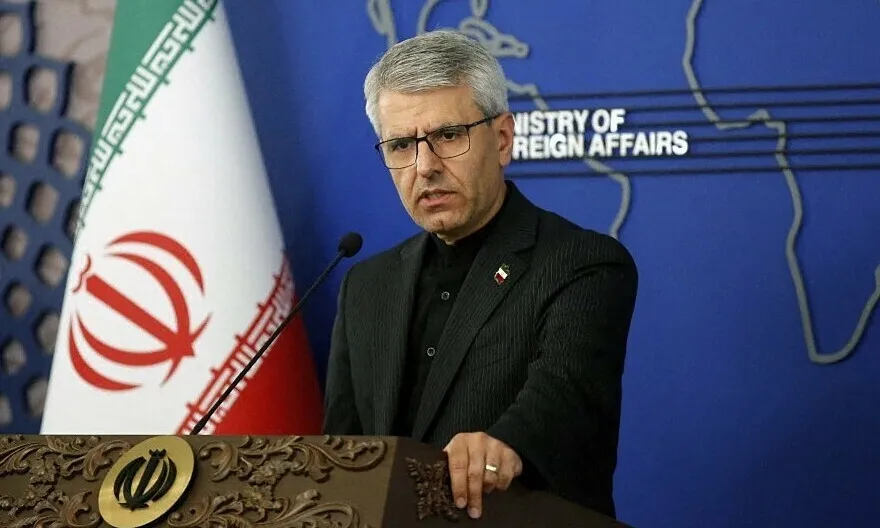 Iran cảnh báo đóng eo biển Hormuz nếu Mỹ tiếp tục gây hấn
Bài viết tổng hợp phản ứng mạnh mẽ từ phía Iran sau khi Tổng thống Trump tuyên bố lệnh ngừng bắn với nước này đã kết thúc, cho thấy các bước đi nguy hiểm có thể dẫn tới căng thẳng mới trong khu vực.
-
 UK Data Commissioner Sues Woman Who Raised Harassment Claims
UK science and technology secretary Liz Kendall criticizes former ICO chief John Edwards for suing a whistleblower who reported sexual harassment and bullying.
-
 Judge Rules for E Jean Carroll: $5.8M from Trump Escrow Released After High Court Rejection
Judge orders release of $5.8 million owed by Trump after Supreme Court denied his appeal on sexual abuse and defamation lawsuit.
-
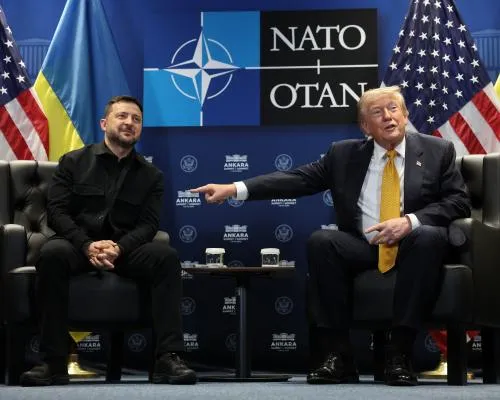 NATO Summit: Trump Praises Zelenskyy, Discusses Ukraine's Future
At the NATO summit in Ankara, US President Trump praised Ukrainian President Zelenskyy and discussed potential security guarantees and peace negotiations. Ukraine may receive permission to produce Patriot missiles locally.
-
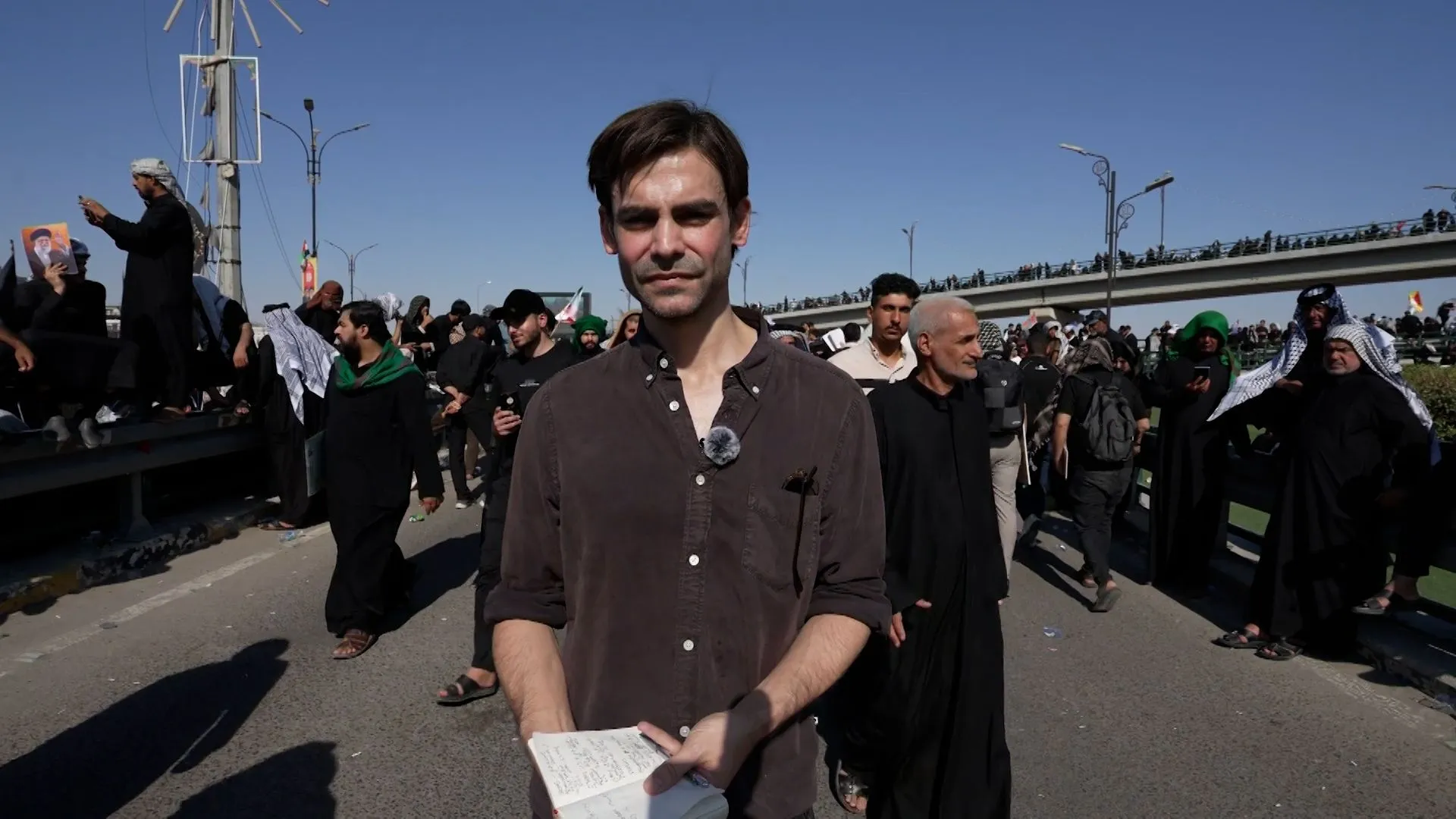 Iran's Supreme Leader's Coffin Arrives in Najaf amid Large Crowds
Thousands of people gather in Najaf to pay respects as the coffin of Iran’s former supreme leader arrives.


