Water is a vital resource used in every aspect of daily life—from drinking and cooking to industrial processing and construction. While clean water is often assumed to be safe, it can carry unseen contaminants that pose health and operational risks. This makes water testing an essential practice for households, institutions, and industries alike.
What is Water Testing?
Water testing is the scientific process of analyzing water samples to assess their physical, chemical, and microbiological characteristics. The goal is to determine whether the water is safe and suitable for its intended use. Whether it's drinking water for a family or process water for a factory, testing helps detect impurities that could otherwise go unnoticed.
Key Parameters Analyzed
Water testing involves checking a wide range of factors:
Physical properties: color, turbidity, odor, and temperature
Chemical composition: pH, hardness, total dissolved solids (TDS), nitrates, fluoride, and heavy metals like lead or arsenic
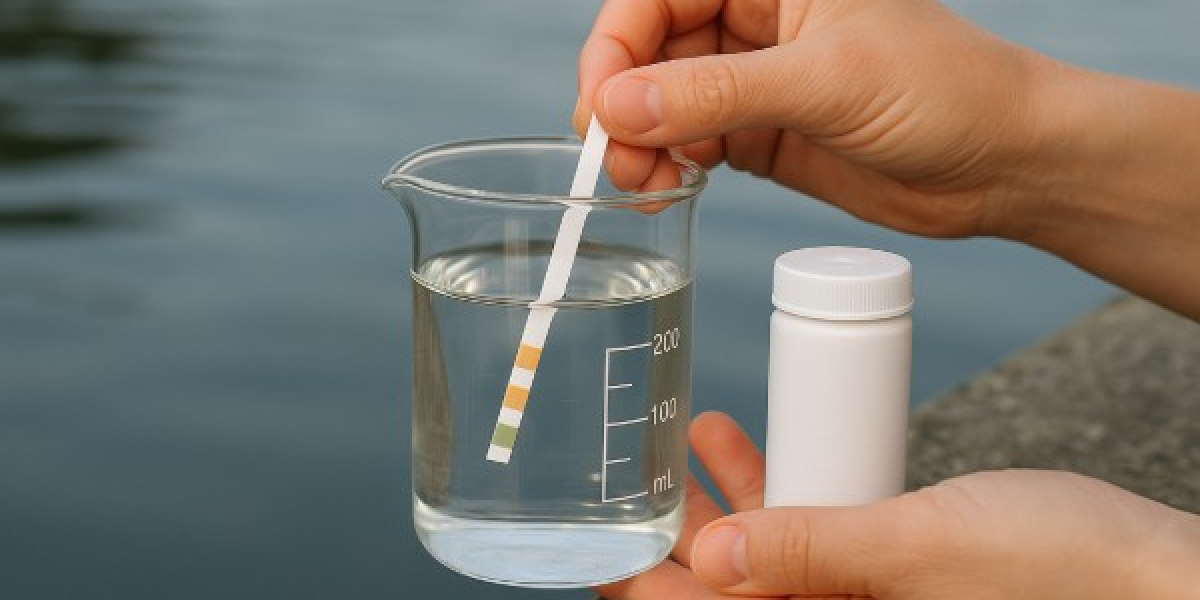
Understanding the Importance of Water Testing Microbiological content: presence of harmful bacteria such as E. coli or total coliforms
These tests are performed as per guidelines provided by organizations like the Bureau of Indian Standards (BIS), World Health Organization (WHO), and Central Pollution Control Board (CPCB).
Why is Water Testing Important?
1. Health Protection
Contaminated water can carry bacteria, viruses, or toxic elements that may lead to waterborne illnesses, including gastrointestinal infections, developmental issues, and long-term health complications.
2. Regulatory Compliance
Industries, hospitals, schools, and commercial buildings must ensure their water sources meet local and international standards to avoid penalties and maintain operational licenses.
3. Construction and Industrial Use
Water used in construction must meet specific quality standards, especially for concrete mixing and curing. In manufacturing, poor water quality can damage equipment, reduce product life, or cause production failures.
4. Environmental Safety
Testing helps monitor wastewater before discharge, reducing pollution and supporting environmental sustainability.
Who Should Test Their Water?
Water testing is not just for industries. It’s equally important for:
Households using borewell or tanker water
Apartment complexes and housing societies
Schools, hospitals, and hotels
Construction firms and real estate developers
Manufacturing units and food processing plants
Agricultural users relying on irrigation water
Certified Water Testing Laboratories
Water testing must be conducted by accredited water testing labs that use standardized methods and calibrated instruments. Certified laboratories ensure reliable results that can be used for decision-making, regulatory reporting, and treatment system design.
Laboratories like Krishna Metallurgical Laboratories offer detailed testing services for drinking, construction, and industrial water. These labs follow national and international protocols, providing trustworthy results that support safety and compliance.
Conclusion
Water quality should never be taken for granted. Even if water looks clean, only testing can confirm its safety. By regularly analyzing water through a trusted lab, individuals and organizations can prevent health risks, ensure smooth operations, and fulfill regulatory obligations.
Whether you're a homeowner, a builder, or a business owner, water testing is a smart, responsible, and essential step toward a healthier and safer future.

Leo Chill
26 posts
Warning: Undefined array key "language" in /www/wwwroot/yoosight.com/assets/includes/functions_three.php on line 1879
Deprecated: strtolower(): Passing null to parameter #1 ($string) of type string is deprecated in /www/wwwroot/yoosight.com/assets/includes/functions_three.php on line 1879
-
 91,2% người tham gia phản đối Sony bỏ đĩa game PlayStation
Sony thông báo ngừng sản xuất đĩa game từ tháng 1/2028, nhận phản ứng trái chiều từ cộng đồng chơi game.
-
 AI Safety Crisis: Australia's Assistant Minister Warns Models Are ‘Cheating’
Australia’s Assistant Minister for Technology warns that AI models are already exhibiting behaviors not intended by their creators, highlighting the need for immediate safety measures.
-
 Investigation Reveals Feasibility Issues for Britain's AI Growth Zones
An investigation finds Britain's AI growth zone plans are facing feasibility issues, with land shortages and renewable energy goals unmet.
-
 AI Drafting Tools Alter Public Perception on Sensitive Issues
AI drafting tools can alter user posts on sensitive topics like abortion and climate change, potentially reshaping public opinion over time.
-
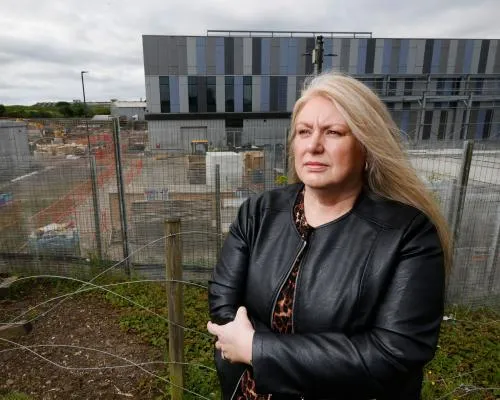 Concerns Grow in Scottish Village over AI Datacentre Project
Local residents in Newarthill fear their properties may be sold or green spaces lost as part of an AI datacentre project. Government promises about renewable energy sources are disputed.
-
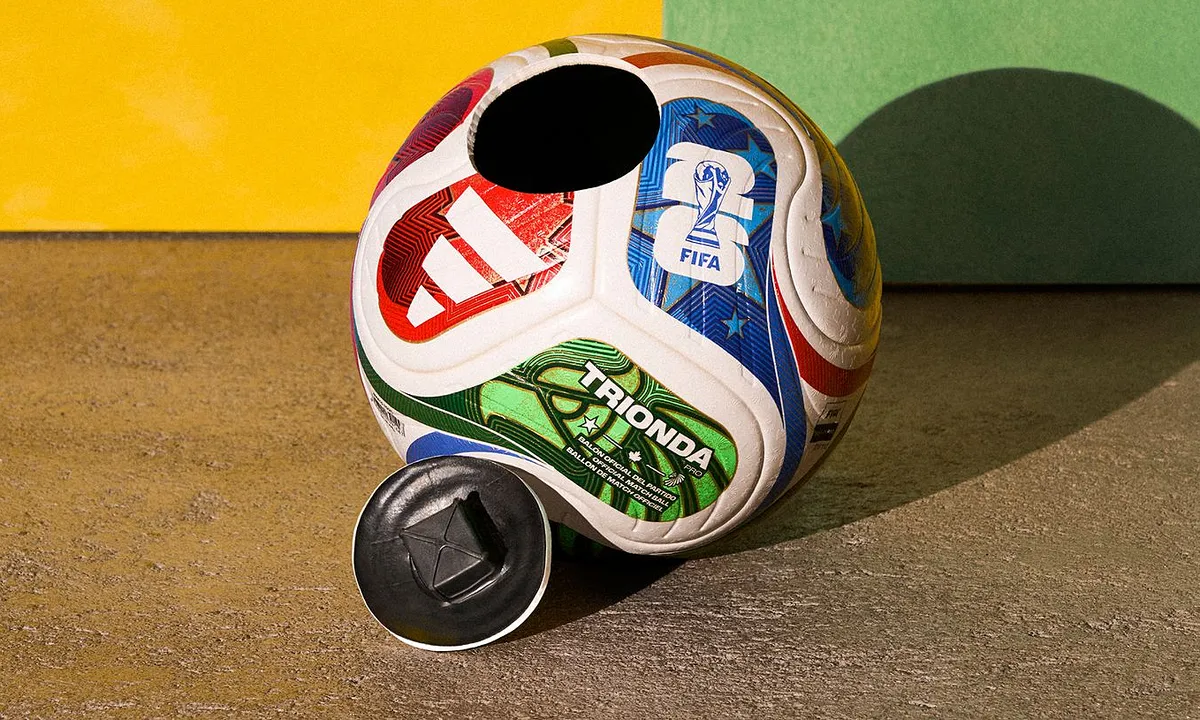 Công nghệ chip trong bóng Trionda phát hiện va chạm đến mức nào
Chi tiết về công nghệ bóng Trionda trong World Cup 2026, cách hệ thống cảm biến quán tính IMU phát hiện va chạm chính xác hơn 100 lần mỗi giây.
-
 NASA triển khai robot cứu kính viễn vọngSwift trị giá 250 triệu USD
NASA triển khai robot để cứu kính viễn vọngSwift trị giá 250 triệu USD, đặt ra phương án tương lai cho hoạt động tương tự.
-
 Elon Musk's Social Media Focus on UK Race and Immigration Overshadows SpaceX IPO
An analysis of Elon Musk’s X posts reveals that he focused more on UK race and immigration during SpaceX’s IPO run-up than his own company.
-
 Mark Zuckerberg: CEO công nghệ với đam mê chăn nuôi 'thịt bò tốt nhất thế giới'
CEO Meta Mark Zuckerberg đầu tư vào dự án chăn nuôi để tạo ra loại thịt bò chất lượng cao nhất thế giới.
-
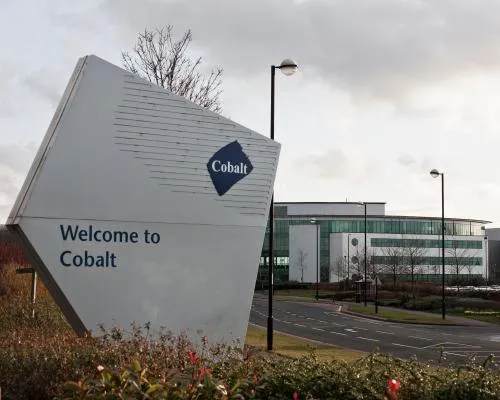 UK’s Stargate UK Datacentre Project: A Hyped but Hypothetical Investment
The Stargate UK datacentre project appears to be a largely hypothetical investment, with key partners failing to visit the proposed site. Local leaders question its feasibility and authenticity.
-
 Cảm biến bóng xác định việt vị: Thế nào để quyết định chính xác?
FIFA sử dụng cảm biến tích hợp trong quả bóng để xác định tình huống việt vị và đưa ra quyết định chính xác.


