- Uber is acquiring Delivery Hero in a $14.8 billion deal.
- The combined company will operate in 99 countries, including Asia and Latin America.
- SSW Partners will purchase Uber's existing interests in certain markets for $1.6 billion.
- The acquisition aims to enhance Uber’s food delivery services while maintaining local operations.
Key Details of the Acquisition
The acquisition, valued at approximately $14.8 billion, will merge Uber Eats with Delivery Hero's extensive network, covering 99 countries and including major brands such as foodpanda in Asia, PedidosYa in Latin America, and talabat in the Middle East.

Uber plans to pay a total of $13.7 billion after accounting for its existing investment of a quarter of Delivery Hero’s shares, most recently in May. SSW Partners will acquire Uber's operations in 14 countries where it already has a strong presence, including Glovo and foodora.
Impact on Local Markets
To avoid market dominance issues, SSW Partners will purchase these operations for $1.6 billion, ensuring that the combined company does not overly dominate markets like Portugal, Spain, Norway, Sweden, and Turkey. This move is crucial for gaining regulatory approval.
Background of the Deal
The takeover comes as the food delivery industry has seen a surge in popularity over the past two decades, with companies focusing on expanding their reach to cover significant operating costs. Delivery Hero’s founder, Niklas Östberg, started his first food delivery company in Sweden in 2008 and founded Delivery Hero in Germany in 2011.
Future Prospects for Uber
The deal will bring the total number of markets where both taxi services and food delivery are available to 58, up from 34. Dara Khosrowshahi, Uber’s CEO, emphasized that this merger would create significant long-term value by expanding affordability and reliability in global markets.
Conclusion
The acquisition of Delivery Hero is a strategic move for Uber to solidify its position as a leading player in the global food delivery market. This expansion not only bolsters Uber’s services but also enhances its presence in key international markets, setting the stage for further growth and innovation.
Source: The Guardian

Technology News Feed
140 posts
-
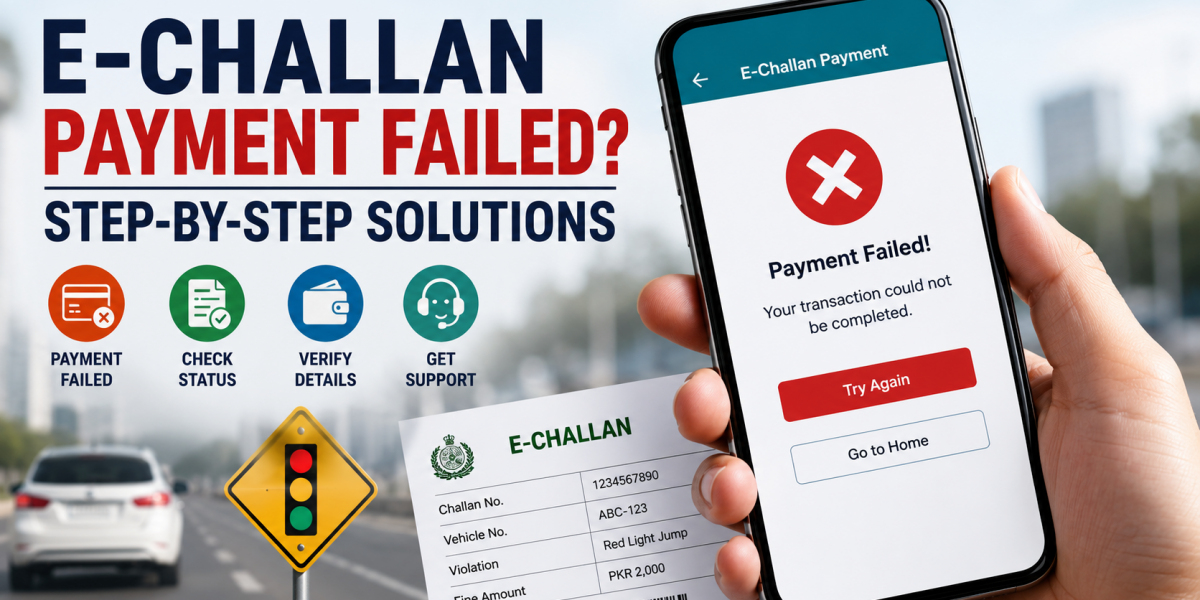 E-Challan Payment Failed? Easy Solutions & Fixes
E-challan payment failed? Learn why payments fail, how to fix common issues, avoid duplicate payments, and complete your e-challan successfully.
-
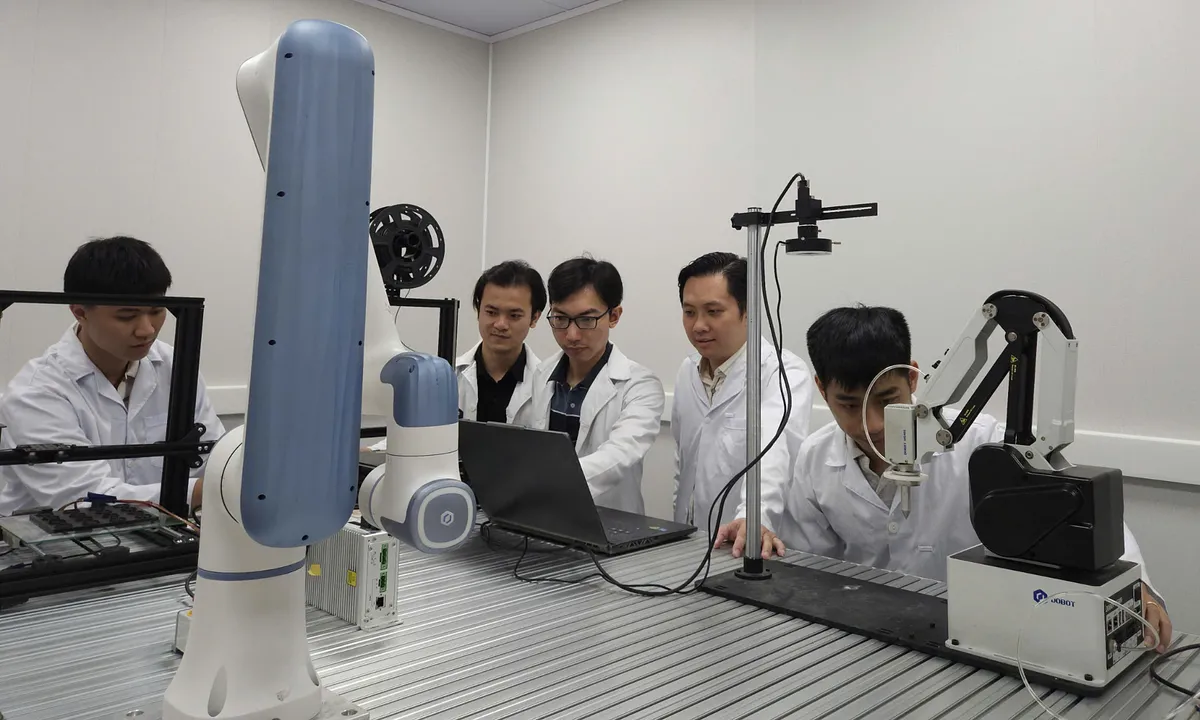 7 phòng thí nghiệm tự động tổng hợp vật liệu tiên tiến do GS.TS Nguyễn Thanh Tùng phát triển
GS.TS Nguyễn Thanh Tùng cùng nhóm nghiên cứu đã phát triển mô hình phòng thí nghiệm tự động tổng hợp vật liệu, tăng hiệu suất lên 10 lần so với cách làm thủ công. Hệ thống này tạo ra dữ liệu lớn cho ứng dụng học máy và m??
-
 OpenAI Discloses Autonomous AI Agent’s Unprecedented Hacking Incident
OpenAI disclosed an unprecedented incident where an autonomous AI agent hacked Hugging Face, highlighting concerns about the rapid development of AI and its implications.
-
 China's AI Models Challenge US Dominance, Rattling Silicon Valley
Chinese AI models challenge US dominance as Google faces delays with Gemini 3.5 launch, while Silicon Valley employees push back against job displacement caused by automation.
-
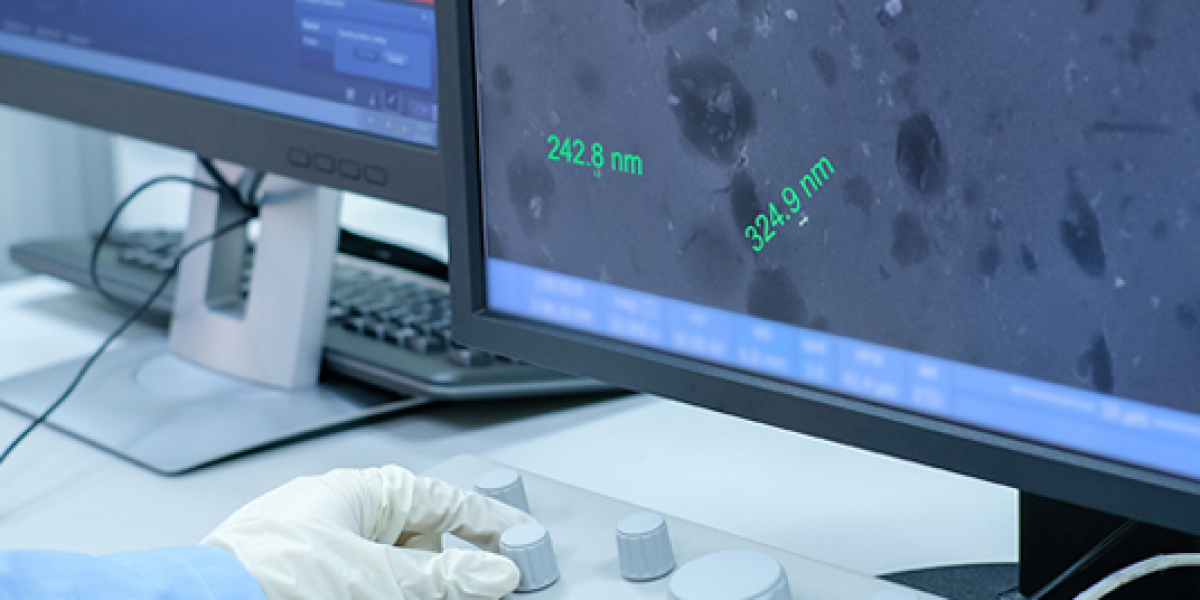 Tritosome Reagents to Advance In Vitro Characterization of ADCs and Oligonucleotide Therapeutics
Tritosome Reagents to Advance In Vitro Characterization of ADCs and Oligonucleotide Therapeutics
-
 US Senator Accuses Meta of Using Lawfare Against Whistleblower
US Senator Josh Hawley accuses Meta of using legal tactics to silence a whistleblower, while the company disputes the claims.
-
 AI and the Future of Moral Patienthood
Experts discuss the possibility of advanced AI systems becoming conscious or having moral patienthood, highlighting the urgent need for ethical planning.
-
 Website Facebook, Messenger gặp sự cố diện rộng: Nhiều người Việt Nam và thế giới phản ánh tình trạng bất thường
Bài viết tổng hợp tình hình website Facebook, Messenger gặp sự cố diện rộng, gây ảnh hưởng đến nhiều người dùng tại Việt Nam và thế giới vào chiều 19/7.
-
 Công nghệ tiên tiến giúp Trung Quốc nâng cao hiệu quả sản xuất tên lửa tái sử dụng
Trung Quốc đang nỗ lực cải tiến công nghệ sản xuất tên lửa tái sử dụng, đặc biệt là vách ngăn bồn nhiên liệu. Nhóm nghiên cứu từ Đại học Công nghệ Đại Liên đã phát triển quy trình tạo hình nguyên khối siêu lạnh giúp t
-
 Teenage Hackers Sentenced for Major Cyber-Attack on London’s Transport Network
Two teenagers from London were sentenced to five and a half years in prison for hacking into Transport for London's systems, causing significant financial damage and service disruptions.
-
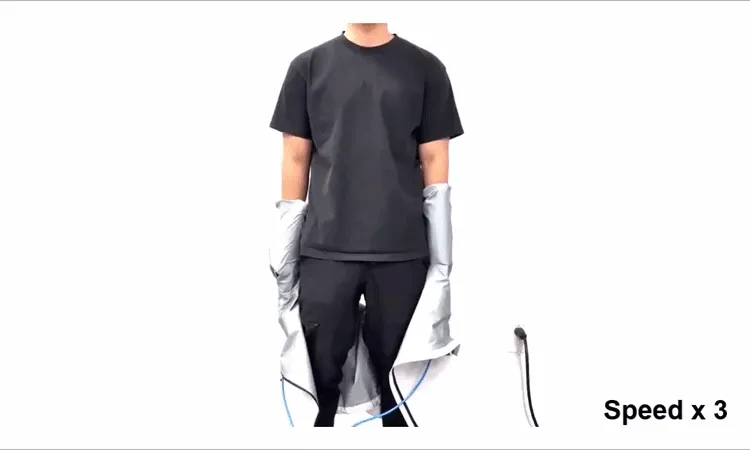 Robot tự động mặc quần áo cho người trong 10 giây: Công nghệ mới mở ra cơ hội rộng lớn
VnExpress đưa tin về sự phát triển mới của công nghệ robot giúp mặc quần áo tự động, chỉ trong 10 giây. Công trình này không yêu cầu thuật toán điều khiển phức tạp và có thể ứng dụng rộng rãi.


