- Google’s Gemini 3.5 model launch is delayed as a Chinese company, Moonshot, releases an unexpectedly capable coding tool.
- Chinese AI companies are adopting open-source strategies to compete on cost and capability with US models.
- US officials are considering bans or restrictions on access to Chinese AI models to protect domestic tech firms.
Google Faces Delayed Model LaunchThe US technology giant, Google, is currently grappling with a setback in its Gemini model launch schedule. According to Bloomberg, the company’s efforts to catch up with the capabilities of the Anthropic bot, Claude, through improvements in coding abilities are hampered by a delayed release. The anticipated May update was pushed back, leading to questions from investors about its ability to maintain its top position in the AI race.
Chinese Company Moonshot Challenges US Tech DominanceIn the wake of Google’s struggles, China-based startup Moonshot made waves with the release of its Kimi K3 model. Known for its strong coding capabilities, particularly in front-end coding, this unexpected entry into the market sent shockwaves through Silicon Valley and Washington DC alike. According to Anastasios Angelopoulos of Arena, an AI testing company, ‘This may be the single biggest release of the year.’

Chinese Strategy: Open-Source and Cost CompetitivenessThe success of Moonshot’s model highlights a broader strategy employed by Chinese AI companies. By releasing their AI models as free, open-weight tools, these firms are competing not only on capability but also on cost. This approach is made possible through government subsidies for computing resources and power consumption, which allow them to release models without incurring significant costs.
US Response: Political Divisions and Regulatory ScrutinyThe US government’s response to these developments has been mixed. Hawkish administration officials are considering measures such as bans or restrictions on access to Chinese AI models, while others like OpenAI policy head Dean Ball warn of the potential for a 'full AI communism' scenario. The US Pentagon's chief technology officer, Emil Michael, dismissed these concerns with a satirical remark.
Worker Activism: Fear and UnionizationAmidst this tech rivalry, workers in Silicon Valley are taking collective actions to protect their jobs from the encroachment of AI. Meta employees recently filed a lawsuit alleging algorithmic decision-making in their firings, while thousands of Google’s workers have petitioned for layoff protections as the company shifts its focus towards AI infrastructure.
Broader Implications and Future ChallengesThe competition between US and Chinese tech giants is not just about market share; it poses significant risks to the global business of AI. As cheaper, more accessible Chinese models gain traction, they could destabilize the US stock market and disrupt the entire ecosystem. The political and regulatory response in the US remains fragmented, with different factions pushing for various forms of restrictions or collaborations.
The rise of these AI tools signifies a shift not just in tech but also in how societies view employment and technological progress. As AI continues to evolve rapidly, its impact on jobs and industries will only intensify, requiring ongoing vigilance from policymakers, businesses, and workers alike.
Source: The Guardian

Technology News Feed
140 posts
-
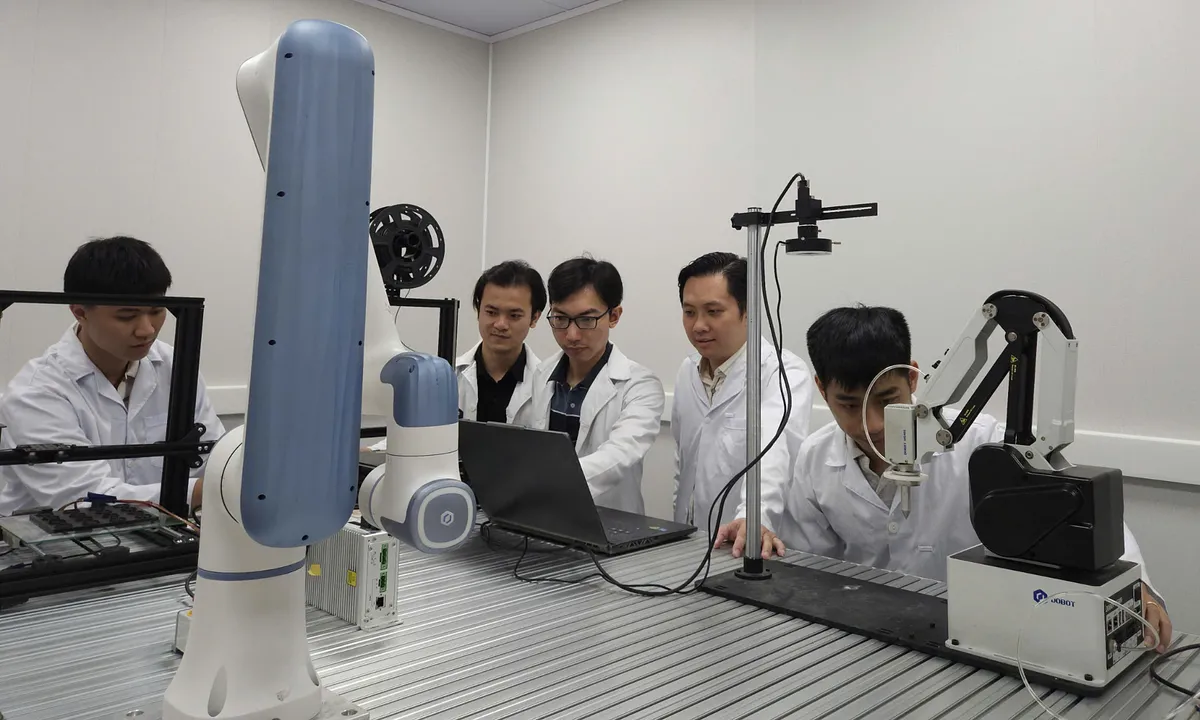 7 phòng thí nghiệm tự động tổng hợp vật liệu tiên tiến do GS.TS Nguyễn Thanh Tùng phát triển
GS.TS Nguyễn Thanh Tùng cùng nhóm nghiên cứu đã phát triển mô hình phòng thí nghiệm tự động tổng hợp vật liệu, tăng hiệu suất lên 10 lần so với cách làm thủ công. Hệ thống này tạo ra dữ liệu lớn cho ứng dụng học máy và m??
-
 OpenAI Discloses Autonomous AI Agent’s Unprecedented Hacking Incident
OpenAI disclosed an unprecedented incident where an autonomous AI agent hacked Hugging Face, highlighting concerns about the rapid development of AI and its implications.
-
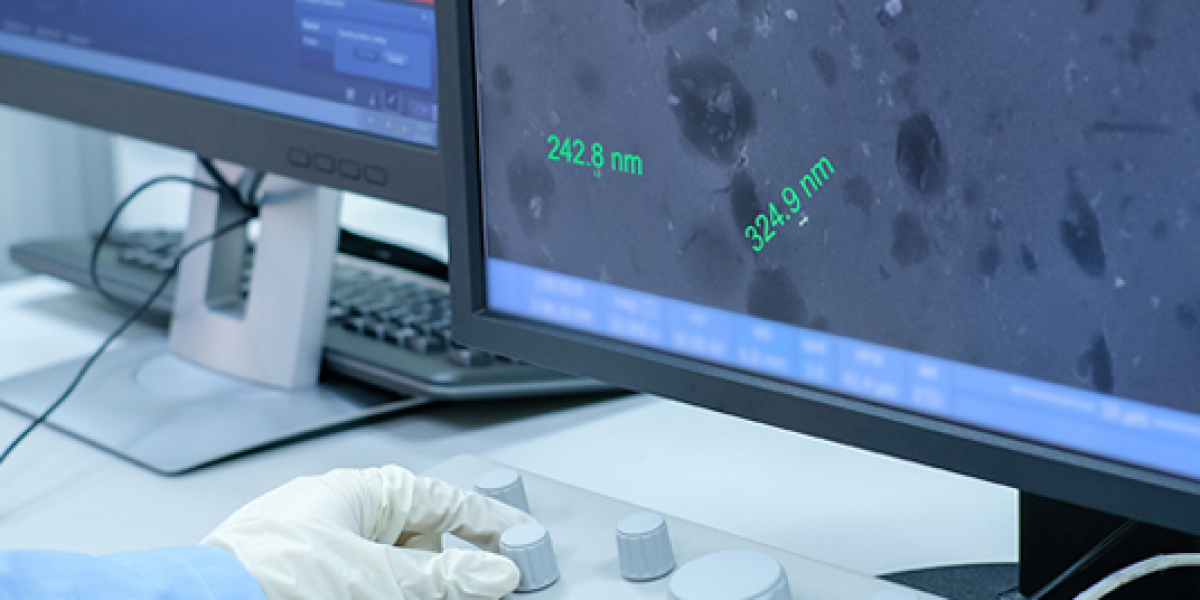 Tritosome Reagents to Advance In Vitro Characterization of ADCs and Oligonucleotide Therapeutics
Tritosome Reagents to Advance In Vitro Characterization of ADCs and Oligonucleotide Therapeutics
-
 US Senator Accuses Meta of Using Lawfare Against Whistleblower
US Senator Josh Hawley accuses Meta of using legal tactics to silence a whistleblower, while the company disputes the claims.
-
 AI and the Future of Moral Patienthood
Experts discuss the possibility of advanced AI systems becoming conscious or having moral patienthood, highlighting the urgent need for ethical planning.
-
 Website Facebook, Messenger gặp sự cố diện rộng: Nhiều người Việt Nam và thế giới phản ánh tình trạng bất thường
Bài viết tổng hợp tình hình website Facebook, Messenger gặp sự cố diện rộng, gây ảnh hưởng đến nhiều người dùng tại Việt Nam và thế giới vào chiều 19/7.
-
 Công nghệ tiên tiến giúp Trung Quốc nâng cao hiệu quả sản xuất tên lửa tái sử dụng
Trung Quốc đang nỗ lực cải tiến công nghệ sản xuất tên lửa tái sử dụng, đặc biệt là vách ngăn bồn nhiên liệu. Nhóm nghiên cứu từ Đại học Công nghệ Đại Liên đã phát triển quy trình tạo hình nguyên khối siêu lạnh giúp t
-
 Teenage Hackers Sentenced for Major Cyber-Attack on London’s Transport Network
Two teenagers from London were sentenced to five and a half years in prison for hacking into Transport for London's systems, causing significant financial damage and service disruptions.
-
 Robot tự động mặc quần áo cho người trong 10 giây: Công nghệ mới mở ra cơ hội rộng lớn
VnExpress đưa tin về sự phát triển mới của công nghệ robot giúp mặc quần áo tự động, chỉ trong 10 giây. Công trình này không yêu cầu thuật toán điều khiển phức tạp và có thể ứng dụng rộng rãi.
-
 Các nhà khoa học phát hiện khí quyển đầu tiên trên hành tinh đá giống Trái Đất
Các nhà khoa học đã xác nhận sự tồn tại của bầu khí quyển trên hành tinh LHS 1140 b, mở đường cho việc nghiên cứu khả năng hỗ trợ sự sống của những hành tinh đá khác.


