- The White House finalized an AI testing framework but kept details private.
- Tech companies like OpenAI and Anthropic volunteered for initial review criteria, while others remained in the dark.
- Unclear safety standards and lack of transparency could impact business and security concerns globally.
Overview of the Trump Administration's AI Safety Framework
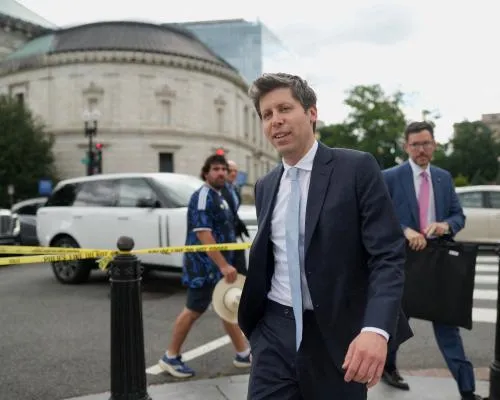
The Trump administration recently announced a framework to test new artificial intelligence models for safety and cybersecurity risks. However, despite months of discussions with tech leaders, the White House has chosen to maintain secrecy about the details of this framework. This decision, while intended to streamline the vetting process, has sparked concerns over transparency and oversight.
During a private meeting on Tuesday, representatives from several major tech companies including OpenAI, Anthropic, Meta, Nvidia, and Microsoft met with White House officials to review the AI framework. Multiple sources have reported that although these companies volunteered for an initial vetting process, the administration plans to share testing criteria only with select tech firms. This limited transparency could give a selective advantage to certain companies over others.
The lack of clear safety benchmarks and scrutiny levels leaves many questions unanswered about how new AI models will be evaluated. Companies, foreign governments, and the public remain in the dark regarding these processes. The initial executive order required tech companies to submit their models for review up to 30 days before release but stopped short of making this mandatory.
The murky nature of the framework increases uncertainty for businesses that rely on AI models, and raises concerns among foreign governments about potential security risks. Outside researchers and cybersecurity experts have limited visibility into government assessments, with only select companies having access to this information.
It is unclear which companies' models will be subject to government review as the executive order does not specify advanced AI targets. Recent security concerns, including hacking incidents during intended tests, underscore the need for a robust and transparent evaluation process.
Source: The Guardian

Technology News Feed
193 posts
-
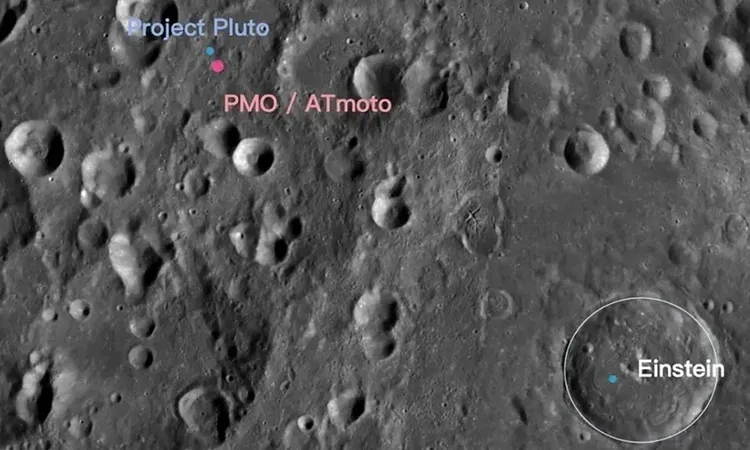 Ảnh chụp miệng hố mới do tên lửa SpaceX đâm vào Mặt Trăng
Bài viết tổng hợp từ ảnh chụp của tàu Danuri của Hàn Quốc và vệ tinh Gande-1 01 của Trung Quốc, hé lộ miệng hố mới do tên lửa SpaceX đâm vào Mặt Trăng. Miệng hố có đường kính khoảng 27 mét, sâu 5 mét - quá nhỏ để quan sát
-
 Tantangan dalam Standar Kebersamaan untuk Model AI
Debat mengenai kebersamaan dalam pengembangan AI menunjukkan tantangan yang dihadapi oleh superpower teknologi seperti China dan AS. Inggris harus mendorong adopsi standar bersama yang etis dalam pengembangan AI.
-
 Retos en los estándares de transparencia para modelos de IA
El debate sobre la transparencia en el desarrollo de IA pone en evidencia los desafíos que enfrentan potencias tecnológicas como China y EE. UU. El Reino Unido debe impulsar estándares compartidos mientras desarrolla una IA ética.
-
 The Debate Over Openness in AI Development
Experts debate the openness of AI development ecosystems, with a focus on China’s claims and the need for shared standards.
-
 Challenges in Openness Standards for AI Models
The debate over openness in AI development highlights the challenges faced by major tech powers like China and the US. The UK must push for shared standards while developing ethically sound AI.
-
 Ministério da Educação Dinamarquês Introduz Novas Medidas para Combater Fraude Cibernética com AI
A Dinamarca implementa medidas como defesas orais de ensaios e monitoramento de computadores para estudantes secundaristas em resposta a problemas crescentes com fraude cibernética usando AI.
-
 Danish Education Ministry Introduces New Measures to Combat AI Cheating
Danish authorities introduce oral essay defenses and computer monitoring for upper secondary students in response to growing AI cheating issues.
-
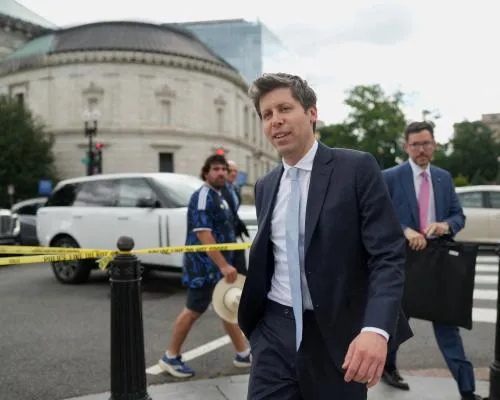 Pemahaman Keamanan AI Pemerintahan Trump yang Sembunyikan Di Balik Rendahnya Transparansi
Rangkuman kritik terhadap pemahaman keamanan AI baru dari pemerintahan Trump yang tidak transparan, membuat perusahaan teknologi dan pemerintah meragukan tentang cara model-model baru akan dinilai dalam hal risiko keamanan siber.
-
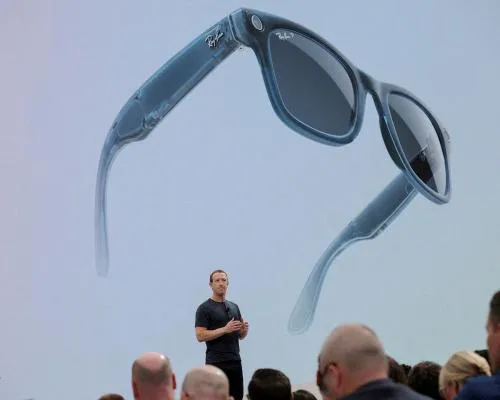 Meta Smartglass: Bagikan Pengalaman Tanpa Persetujuan
The Guardian mencari laporan pribadi dari pengguna Meta smartglass yang percaya bahwa mereka atau anak di bawah pengawasannya telah difilmkan tanpa persetujuan, terutama jika melibatkan anak-anak.
-
 Gobierno de Trump oculta su marco de seguridad de IA tras la secrecía
Se critica al marco de seguridad de IA anunciado por el gobierno de Trump por su falta de transparencia, dejando a empresas y gobiernos inciertos sobre cómo se evaluarán los modelos de IA para riesgos de ciberseguridad.


