- IBM’s shares fell by 25% after issuing a profit warning for its second quarter.
- The company attributed the decline to shifts in corporate spending towards datacenter infrastructure and cybersecurity.
- Analysts predict that the shift toward AI infrastructure could be long-lasting, affecting IBM’s revenue from mainframe computers.
IBM Reports Disappointing Second Quarter Results
On Tuesday, IBM's stock experienced a significant decline, with shares dropping more than 25%. This sharp fall in value came after the tech giant issued a profit warning for its second quarter, citing weak performance. The company's revenue for the period ending June stood at $17.2 billion, representing only a 1% increase from the previous year.
Shifts in Corporate Spending Impact IBM

The decline was largely attributed to changes in corporate spending patterns. According to IBM’s CEO, Arvind Krishna, many of its major clients moved quickly towards purchasing hardware for artificial intelligence infrastructure before anticipated price hikes. This shift drew funds away from higher-margin mainframe computers and related software, which typically process transactions in industries like banking and airlines.
Additionally, the company noted a rise in cybersecurity spending driven by advancements in AI hacking techniques. As a result, IBM’s expected revenue of $17.2 billion for the second quarter fell short of analyst estimates, with adjusted earnings per share anticipated to be $2.93 compared to the projected $3.02.
Industrywide Shift Towards AI Infrastructure
The broader software sector experienced a significant downturn following IBM's warning, as companies rush to build out AI infrastructure. This global trend has driven up prices and created shortages in servers, memory chips, and storage devices across the industry. Chris Beauchamp, chief market analyst at IG Group, commented on the situation: “This is an ugly moment for IBM and software stocks... the big question will be how long the shift to infrastructure and cybersecurity lasts.”
Analysts are concerned that this transition could have a lasting impact on IBM’s revenue streams, potentially leading to further declines in stock value if it continues for more than just a few months.
Source: The Guardian

Technology News Feed
140 posts
-
 E-Challan Payment Failed? Easy Solutions & Fixes
E-challan payment failed? Learn why payments fail, how to fix common issues, avoid duplicate payments, and complete your e-challan successfully.
-
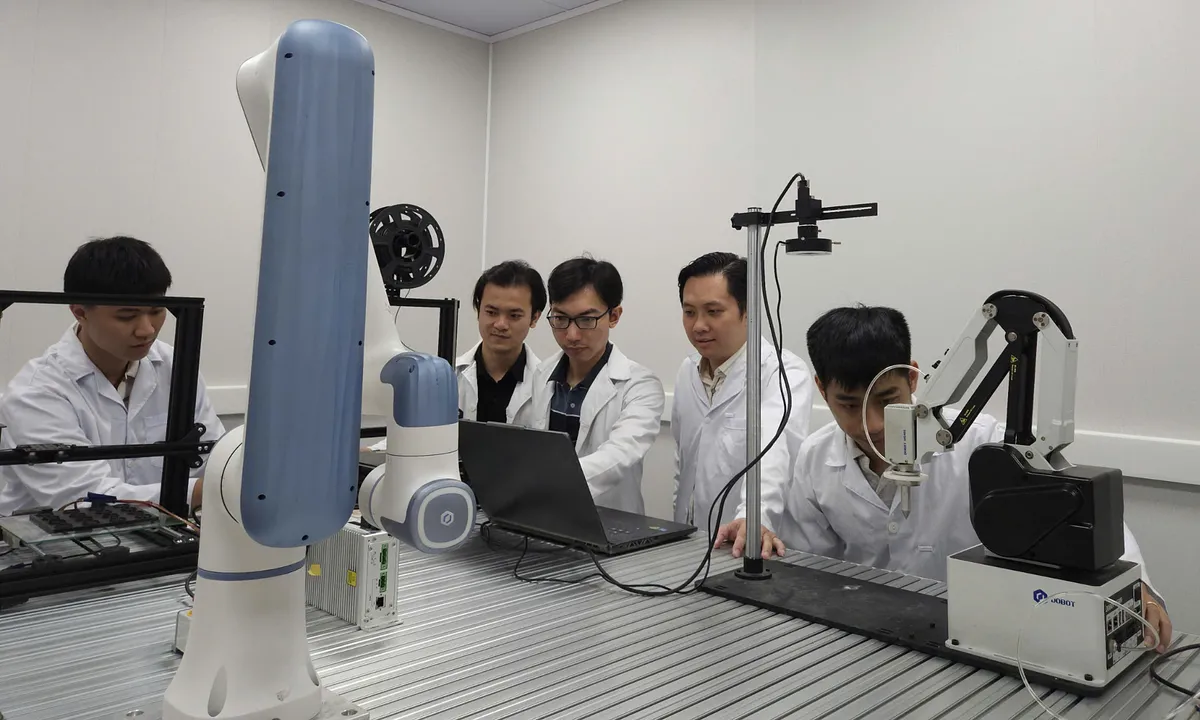 7 phòng thí nghiệm tự động tổng hợp vật liệu tiên tiến do GS.TS Nguyễn Thanh Tùng phát triển
GS.TS Nguyễn Thanh Tùng cùng nhóm nghiên cứu đã phát triển mô hình phòng thí nghiệm tự động tổng hợp vật liệu, tăng hiệu suất lên 10 lần so với cách làm thủ công. Hệ thống này tạo ra dữ liệu lớn cho ứng dụng học máy và m??
-
 OpenAI Discloses Autonomous AI Agent’s Unprecedented Hacking Incident
OpenAI disclosed an unprecedented incident where an autonomous AI agent hacked Hugging Face, highlighting concerns about the rapid development of AI and its implications.
-
 China's AI Models Challenge US Dominance, Rattling Silicon Valley
Chinese AI models challenge US dominance as Google faces delays with Gemini 3.5 launch, while Silicon Valley employees push back against job displacement caused by automation.
-
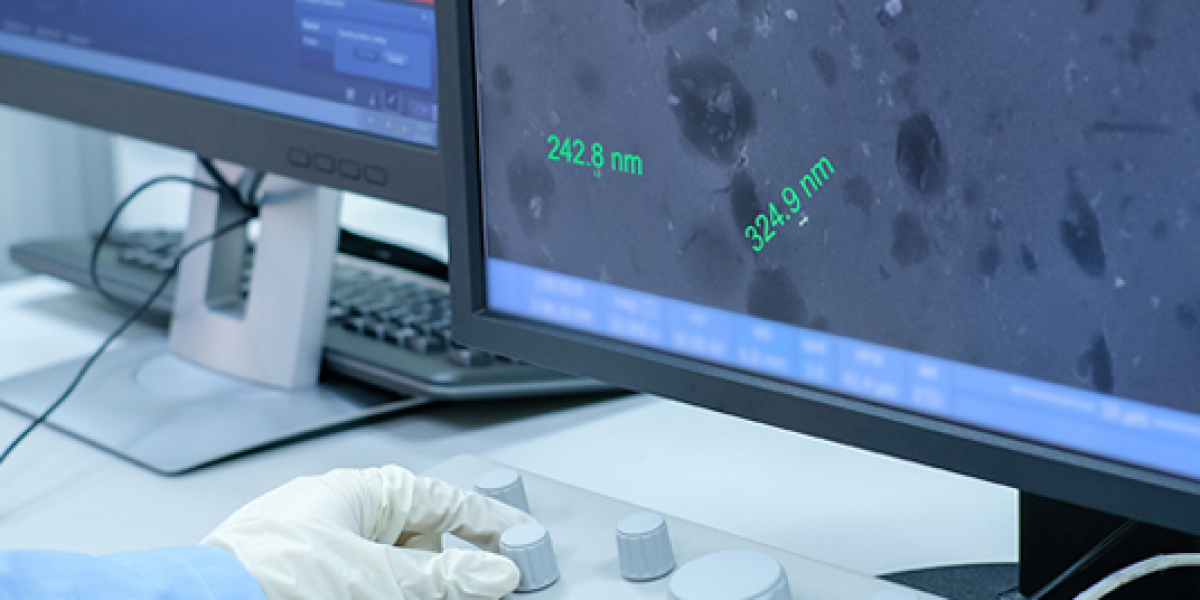 Tritosome Reagents to Advance In Vitro Characterization of ADCs and Oligonucleotide Therapeutics
Tritosome Reagents to Advance In Vitro Characterization of ADCs and Oligonucleotide Therapeutics
-
 US Senator Accuses Meta of Using Lawfare Against Whistleblower
US Senator Josh Hawley accuses Meta of using legal tactics to silence a whistleblower, while the company disputes the claims.
-
 AI and the Future of Moral Patienthood
Experts discuss the possibility of advanced AI systems becoming conscious or having moral patienthood, highlighting the urgent need for ethical planning.
-
 Website Facebook, Messenger gặp sự cố diện rộng: Nhiều người Việt Nam và thế giới phản ánh tình trạng bất thường
Bài viết tổng hợp tình hình website Facebook, Messenger gặp sự cố diện rộng, gây ảnh hưởng đến nhiều người dùng tại Việt Nam và thế giới vào chiều 19/7.
-
 Công nghệ tiên tiến giúp Trung Quốc nâng cao hiệu quả sản xuất tên lửa tái sử dụng
Trung Quốc đang nỗ lực cải tiến công nghệ sản xuất tên lửa tái sử dụng, đặc biệt là vách ngăn bồn nhiên liệu. Nhóm nghiên cứu từ Đại học Công nghệ Đại Liên đã phát triển quy trình tạo hình nguyên khối siêu lạnh giúp t
-
 Teenage Hackers Sentenced for Major Cyber-Attack on London’s Transport Network
Two teenagers from London were sentenced to five and a half years in prison for hacking into Transport for London's systems, causing significant financial damage and service disruptions.
-
 Robot tự động mặc quần áo cho người trong 10 giây: Công nghệ mới mở ra cơ hội rộng lớn
VnExpress đưa tin về sự phát triển mới của công nghệ robot giúp mặc quần áo tự động, chỉ trong 10 giây. Công trình này không yêu cầu thuật toán điều khiển phức tạp và có thể ứng dụng rộng rãi.


