- Huda Ammori, co-founder of Palestine Action, wins permission to appeal against the group’s proscription.
- The court’s decision allows the case to be heard in the final quarter of this year, affecting over 3,500 arrests related to the group.
- Ammori plans to challenge the ban at the European Court of Human Rights if it is upheld by UK courts.
- Dozens were arrested during a demonstration outside Westminster Magistrates’ Court as part of ongoing protests.
Supreme Court Decision and Background
The co-founder of Palestine Action, Huda Ammori, has secured permission from the UK Supreme Court to challenge the group’s proscription, bringing a legal battle that spans multiple courts. The direct action group was proscribed as a terrorist organisation in July last year but its co-founder has been fighting to have the ban overturned amid a mass civil disobedience campaign.

In February, the High Court ruled that the ban was disproportionate and unlawful, but this decision was later overturned by the Court of Appeal last month. On Thursday, the Supreme Court granted Ammori permission to appeal against the Court of Appeal’s decision, which means that more than 3,500 individuals arrested since the ban were imposed may now face legal uncertainty. The case will be heard in the final quarter of this year, pending further developments.
Implications for Proscription and Civil Disobedience
The Supreme Court’s decision allows Ammori to appeal against the Court of Appeal's ruling, potentially leading to a resolution that could redefine the boundaries of free speech and protest in the UK. The case is particularly significant because it touches on Article 10 and 11 of the European Convention on Human Rights, which protect freedom of speech and the right to peaceful assembly.
Ammori welcomed the Supreme Court’s decision, saying: “The proscription of Palestine Action has become a vehicle for a far broader crackdown on expressions of solidarity with the Palestinian people. This unprecedented attack on free speech and the right to protest in this country is already having a chilling effect at a time when speaking out about Israel's crimes could not be more urgent.” She appealed directly to the Supreme Court to hear the case after the Court of Appeal’s decision refused permission to appeal against its own decision within hours of the application. The Court of Appeal review was comprised of five judges, which is unusual as it normally consists of two or three.
The Supreme Court said that it was arguable that the ban represented a disproportionate interference with these fundamental human rights, indicating the complexity and significance of the legal challenge at hand. Ammori has pledged to challenge the ban, which has been widely condemned by civil liberties groups as well as UN experts and politicians from across the political spectrum.
Protests and Arrests
Ammori's appeal bid coincided with protests outside Westminster Magistrates' Court in central London. Dozens were arrested during a demonstration on Thursday, including an 87-year-old woman in a wheelchair. Sir Jonathon Porritt was one of those arrested for showing support for Palestine Action, according to the activist group Defend Our Juries. Porritt is a former director of Friends of the Earth and has advised the Prince of Wales for over three decades.
Many of those arrested expressed support or membership of Palestine Action, risking significant jail time if convicted. The Metropolitan Police reported that 117 people were detained during the protest, with most facing charges related to expressing support for a proscribed organisation rather than carrying placards.
Sources: The Guardian, Al Jazeera

Uk News Feed
359 posts
-
 US Intervenes to Support Japanese Yen Amid Economic Concerns
The United States has intervened to support Japan's weakening yen, marking a rare cooperation that could impact global economic dynamics.
-
 UK Home Office Letters Question EU Citizens' Residency Rights
The UK Home Office is reviewing some EU citizens' Brexit-related residency rights, potentially affecting thousands of people who have built their lives in the country.
-
 Police Failed to Arrest Suspect Before Infant’s Tragic Death
Cleveland police failed to arrest a man who had breached a non-molestation order before he sexually assaulted and killed his girlfriend's two-year-old daughter. Simpson was convicted alongside Walker for their roles in the murder, leading to life sentences.
-
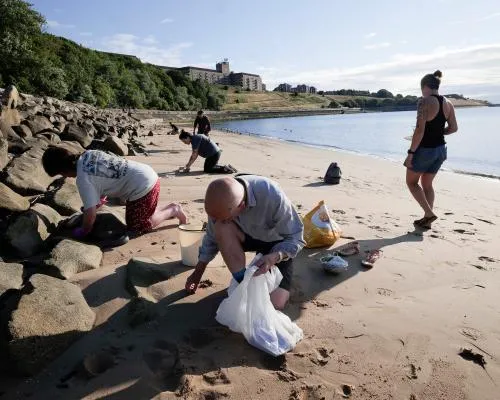 Volunteers Mobilize in North-East England to Clean Up Nurdle Spillage
A massive cleanup effort has mobilized thousands of volunteers across the north-east of England to address a spillage of plastic pellets known as nurdles, which were released into water following a ship collision.
-
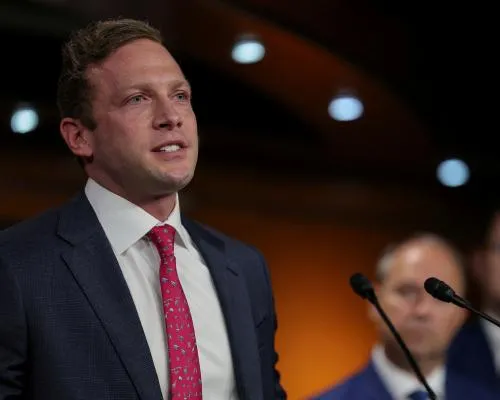 Republican Senator Calls for Congressman’s Resignation Amid Abuse Allegations
Republican Senator Bernie Moreno demands Congressman Max Miller resign amid abuse claims. Miller denies all accusations, stating no charges were filed.
-
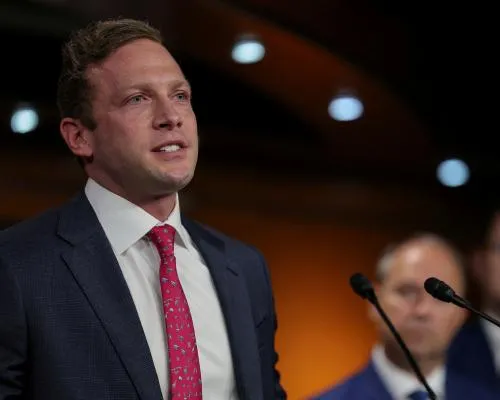 Ohio Senator Asks for Congressman’s Resignation Amid Abuse Allegations
Republican Senator Bernie Moreno calls for Congressman Max Miller's resignation amid abuse allegations, intensifying scrutiny of the Ohio’s seventh congressional district race.
-
 UK Prime Minister Pledges to Address Channel Crossings Amidst Migration Crisis
Prime Minister Andy Burnham pledges relentless action on small boat crossings in the Channel, while Home Secretary Shabana Mahmood calls for reform.
-
 The Persistent Influence of the Israel Lobby on US Policy
This article explores how the Israel lobby has influenced US presidential decisions from Truman to Trump, often at the expense of broader national interests.
-
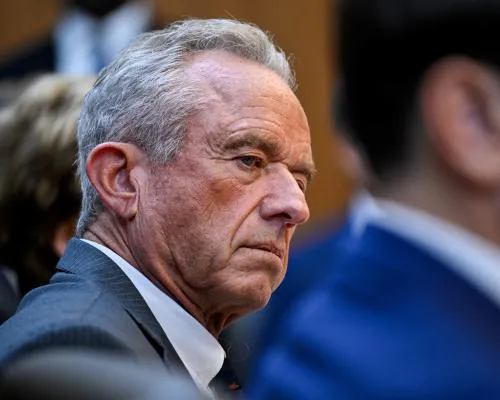 Health Secretary Kennedy Urges Parents to Vaccinate Children Amid Measles Outbreak
US Health Secretary Robert F Kennedy Jr urges parents to vaccinate their children against measles amid a significant outbreak, despite his history of vaccine skepticism.
-
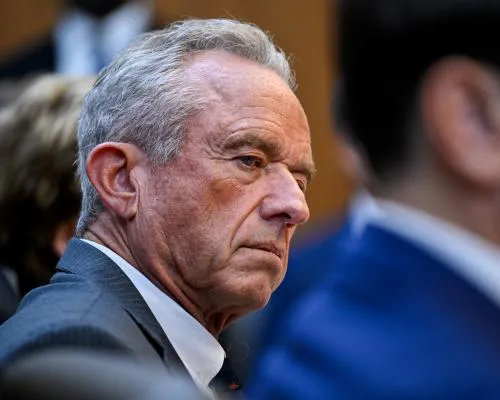 US Health Secretary RFK Jr Urges Parents to Vaccinate Children Amid Measles Outbreak
US Health Secretary RFK Jr urges parents to vaccinate their children against measles, despite his long history of promoting anti-vaccination misinformation.
-
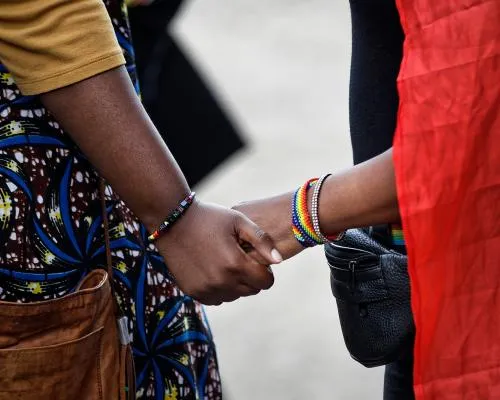 West African Nations Tighten Anti-LGBTQ+ Laws Amid Global Pushback
West African nations are implementing stricter anti-LGBTQ+ laws amid global pushback against LGBTQ+ rights.


