- Prime Minister Andy Burnham vows to tackle small boat crossings
- Safe routes for refugees are seen as necessary by the UK government
- Home Secretary Shabana Mahmood calls for reforms to address pull factors
Statement from Prime Minister Andy Burnham
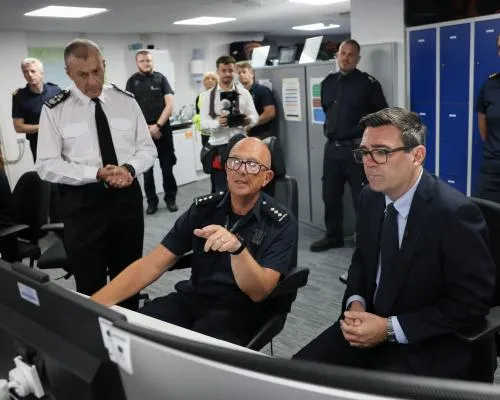
Andy Burnham has pledged to be “relentless” in tackling small boat crossings after tens of thousands of migrants entered the Spanish territory of Ceuta, and he said “safe routes” for refugees were necessary to tackle trafficking gangs. Speaking during a visit to Dover, the prime minister emphasized that while approximately 72% of the estimated 50,000 people who entered Spain’s North African territory of Ceuta last week had now been returned to Morocco, there was still much work to be done.
Progress and Statistics
Last Wednesday was the busiest day for small boat crossings across the Channel so far this year, with 752 people arriving in the UK. Official provisional figures suggest that 14,526 have entered the UK so far this year, a significant drop from last year's numbers (25,436) and down 43% on the same period in 2024 (16,903). “Progress is being made but we’re not complacent,” Burnham said. He noted that the number of National Crime Agency officers tackling organized immigration crime had more than doubled since the start of 2025, from 376 to almost 800.
Enhanced Security Measures
To tackle the issue, the government has increased security measures significantly. Over 2,000 people have crossed in small boats since Burnham's tenure began on an unspecified date. Home Office numbers showed that 326 people arrived on Saturday in four boats, bringing the number up to 2,057 since he took over from Keir Starmer. This represents a stark contrast with the same period last year when there were only 1,962 crossings.
Government Response and Criticisms
Home Secretary Shabana Mahmood expressed a desire to address 'pull factors' that drive individuals into small boat crossings. While she rejected copying Spain's method of returning migrants without processing asylum claims, she emphasized the complexities of the situation in the English Channel. “We need to change the calculus and make people reconsider their decision to embark on such perilous journeys,” Mahmood said.
Continued Concerns and EU Reactions
The influx into Ceuta led to at least 72 deaths, with Spain facing political challenges and international criticism. Spanish authorities have installed barriers along its border with Morocco to prevent further crossings. Meanwhile, the EU ministers are planning emergency talks to discuss a unified response to the ongoing crisis.
Broader Context
The situation in Ceuta highlights the complex challenges facing both Spain and the broader European Union. The surge of people, which took place over 24 hours from Thursday, overwhelmed the city of 85,000 people, triggered a political crisis for Madrid, and led to an angry reaction from some EU countries, including calls for Spain to be suspended from the Schengen free-movement zone.
Conclusion
The situation in both Ceuta and the English Channel underscores the urgent need for coordinated efforts among European nations. The UK's prime minister has vowed to work towards safe routes while enhancing security measures, but the complex nature of migration challenges requires a broader and more integrated response from across the EU. As discussions continue at higher levels within the bloc, the focus remains on finding sustainable solutions that address both immediate crises and long-term issues.
Source: The Guardian

Uk News Feed
359 posts
-
 'Nghĩa địa tàu chiến' Đức Quốc xã trồi lên giữa sông do hạn hán: Nhiều di tích lịch sử bị phơi bày
Hạn hán và nắng nóng kỷ lục đã làm mực nước sông Danube ở châu Âu xuống thấp, phơi bày nhiều di tích lịch sử dưới lòng sông. Tình trạng này không chỉ ảnh hưởng đến giao thông thủy, mà còn gây khó khăn cho ngành công nghiệ
-
 US Intervenes to Support Japanese Yen Amid Economic Concerns
The United States has intervened to support Japan's weakening yen, marking a rare cooperation that could impact global economic dynamics.
-
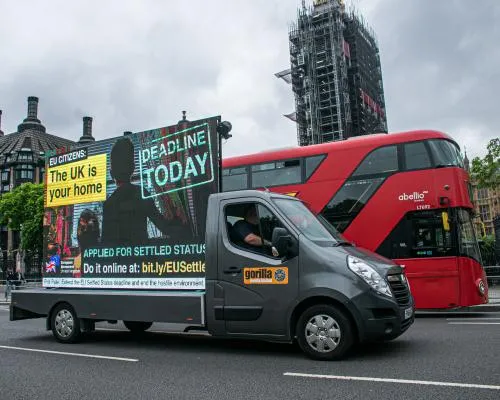 UK Kementerian Dalam Negeri Meninjau Hak Penginapan Warga Eropa
 -
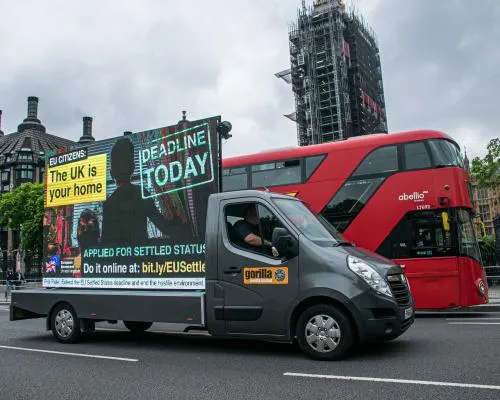 Cartas del Home Office Ponen en Juego los Derechos de Residencia de Cíos de la UE
El Home Office revisa algunos derechos de residencia post-Brexit de ciudadanos de la UE, potencialmente afectando a miles de personas que han construido sus vidas en el país.
-
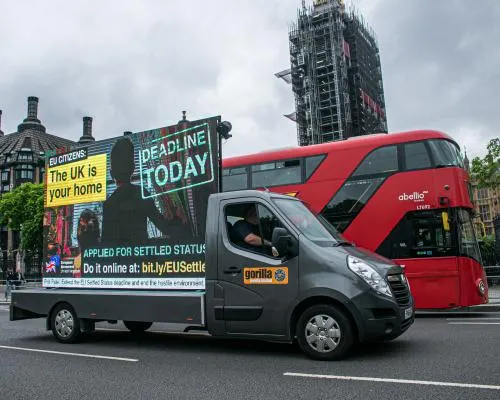 UK Home Office Letters Question EU Citizens' Residency Rights
The UK Home Office is reviewing some EU citizens' Brexit-related residency rights, potentially affecting thousands of people who have built their lives in the country.
-
 Police Failed to Arrest Suspect Before Infant’s Tragic Death
Cleveland police failed to arrest a man who had breached a non-molestation order before he sexually assaulted and killed his girlfriend's two-year-old daughter. Simpson was convicted alongside Walker for their roles in the murder, leading to life sentences.
-
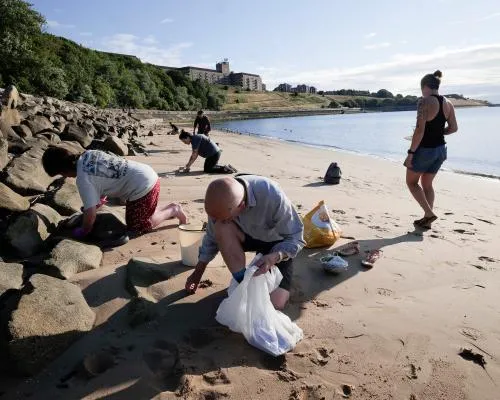 Voluntários se Mobilizam no Nordeste do Reino Unido para Limpar Descarga de Nurdles
Milhares de voluntários estão empenhados em uma gigantesca operação de limpeza na costa nordeste da Inglaterra, em resposta a uma descarga de partículas plásticas conhecidas como nurdles após um acidente de navio.
-
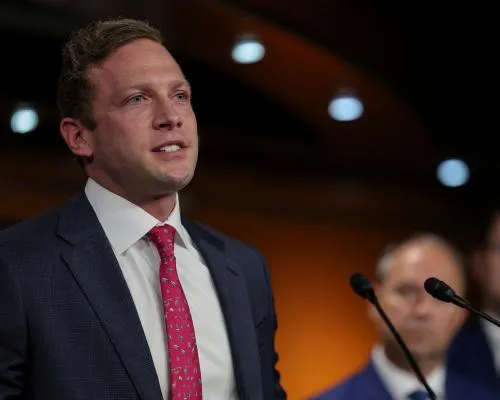 Anggota Parlemen Republican Meminta Anggota Kongres Bergabung Dengan Partai Resign di Ancam SARA
 -
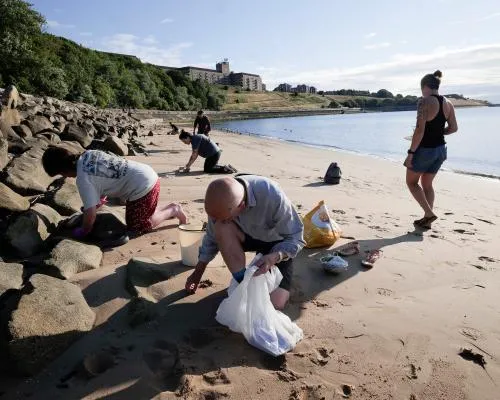 Volunteers Mobilize in North-East England to Clean Up Nurdle Spillage
A massive cleanup effort has mobilized thousands of volunteers across the north-east of England to address a spillage of plastic pellets known as nurdles, which were released into water following a ship collision.
-
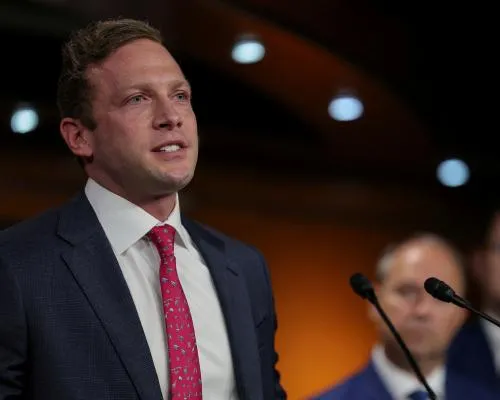 Senator dari Ohio Menuntut Tergantung Parlemen untuk Mengundurkan Diri Akibat Skandal Penganiayaan
 -
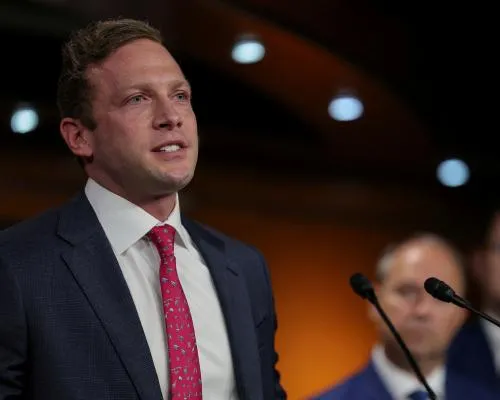 Republican Senator Calls for Congressman’s Resignation Amid Abuse Allegations
Republican Senator Bernie Moreno demands Congressman Max Miller resign amid abuse claims. Miller denies all accusations, stating no charges were filed.


